Blog

  • How to Connect Mevo Plus to an E6 iPad

    How to Connect Mevo Plus to an E6 iPad


    To connect your Mevo Plus to E6 Connect on your iPad, first download and set up the E6 Connect software. Open the E6 Connect app while connected to the internet, log in to your account, and then connect your Mevo Plus to your iPad. In the E6 app, choose Mevo Plus as the tracking system to complete the connection.


    When I acquired my Mevo Plus for my simulation setup, I sought access to diverse courses and an immersive simulation experience. The e6 Connect is one of the leading simulation software options, so I opted to try it. However, I encountered a significant challenge in connecting my Mevo Plus to the e6 Connect software on my iPad. Despite numerous attempts, I faced persistent issues. Determined to resolve the problem, I delved into research and experimentation until I successfully established a stable connection between the Mevo Plus and e6 Connect.


    If you’re facing challenges connecting your Mevo Plus to the e6 software on your iPad, you’re in the right place. In the rest of this article, I’ll provide a comprehensive, step-by-step guide to assist you in successfully establishing a connection between your Mevo Plus and the e6 Connect software on your iPad or iPhone. Let’s dive in.


    Download and set up the e6 Connect software on your iPad.

    • Start by accessing E6 Connect on your iPad from the App Store. Once installed, open the app and follow the on-screen instructions to set up your E6 Connect account, if necessary. To achieve this:
      • First, navigate to the “Profiles” section within the app. From there, select “Log In” and enter your account details.
      • After successfully logging in, your E6 Connect username is displayed under “Roster,” confirming your access. This personalized profile allows the app to track your progress and preferences.
      • Once you’ve confirmed your login and profile details, click “Next” to complete the login process and advance.
    • Ensure your device is connected to a stable internet connection throughout this process.


    Connect your iPad to the Mevo Plus.

    • Navigate to your iPhone or iPad’s home screen by pressing the home button.
    • Proceed to access the settings menu. Establish a connection between your iPhone or iPad and the Mevo+ device within settings. This can typically be achieved through the available wireless connectivity options.


    Connect Mevo Plus to the E6 Connect App.

    • Once you’ve successfully connected your iPad to your Mevo Plus, return to the e6 Connect App and find and tap the blue “Cogs” button in the bottom right corner. This action will open up a menu of settings and configurations, allowing you to personalize and adjust various aspects of the application to suit your preferences.
    • To configure your tracking system in the E6 Connect software, start by clicking the “Simulator” button. Once in the simulator menu, navigate to “Tracking System” and choose “FlightScope.” Click on “Configure” to access the settings for FlightScope integration. Here, you can customize the tracking features, such as calibration and sensor alignment, to ensure accurate and optimal performance.
    • If the Mevo+ is properly set up and within range, it should connect automatically to the E6 Connect software. Keep an eye on the status indicator next to “Mevo+”; once successfully connected, the dot should turn green, and you should see “1 Device Detected” to the right.
    • Double-check your Mevo+ settings and the E6 Connect documentation for troubleshooting tips if any issues arise.
    • After successfully connecting your Mevo+ to E6 Connect, your Mevo+ details should be displayed on the right-hand side of the screen. This information typically includes relevant data and settings associated with your Mevo+ device. This display ensures that you have real-time information about your Mevo+ within the E6 Connect software, enhancing your ability to customize and optimize the simulation based on your preferences. If you encounter any issues or need further adjustments, refer to the E6 Connect documentation for additional guidance.


    Final thoughts

    Connecting your Mevo Plus to E6 Connect on your iPad can be achieved if you follow the simple step-by-step process outlined in this article. This process involves downloading and setting up the E6 Connect software on your iPad, logging in to your account, and configuring the tracking system as Mevo+ within the app. Once successfully connected, you can enjoy an immersive golf simulation experience and get the most out of your Mevo+ and the E6 software.


  • How to Fix Mevo Plus Not Connecting To GSPro

    How to Fix Mevo Plus Not Connecting To GSPro


    If your Mevo Plus is not connecting to GSPro, ensure both devices are on the same Wi-Fi network and restart them. That solves the problem in most cases. If the issue persists, check for firmware updates on both devices, as these security settings may be affecting the connection.


    Besides inaccurate reading of shots, connectivity issues have been a longstanding hiccup for many Flightscope Mevo Plus users.


    It can be so frustrating that you begin to second-guess your investment of nearly $2,000 on a piece of technology. In most reported cases, the launch monitor cum simulator barely holds a connection with the GSPro for 5 minutes, and then it disconnects.


    Having helped dozens of indoor golf players solve this problem on forums, I have written this article as an all-in-one guide for fixing connectivity issues with your Flightscope Mevo Plus, especially when it fails to pair with your GSPro.


    First of all, let’s look into the most common and possible reasons why this issue occurs.

    Mevo Plus Not Connecting To GSPro (Causes & Solutions)


    Often, the device will lose connection for, say, every few minutes for one stretch. In some cases, it is followed by a lockup where all icons are green but the higher status remains white.


    You may notice that the device usually starts working again only after a reboot. In case you’re in a hurry, the table below will show you the common causes of these connectivity malfunctions and their respective solutions.


    However, I encourage you to read on to learn the complete step-by-step guide on how to do these fixes:


    Causes Fixes
    Network incompatibility Change the network settings on your device’s WiFi to 5 GHz, or you can reduce the Mevo + band to 2.4 GHz.
    Problematic device or Bluetooth connectivity Troubleshoot your Android, iPhone, iPad, or device hosting the Mevo+ app.
    Not within range Your phone’s or tablet’s Bluetooth or WiFi should be on and within range of the Flightscope Mevo+.


    Let’s now look into these areas one after the other:

    1. Network Incompatibility


    One of the significant causes of Mevo Plus not connecting to GSPro is that both devices don’t have network compatibility. In many cases that I’ve addressed in forums, I often notice that the Mevo+ runs on a 5 GHz WiFi connection (band), and the owner’s device runs on a 2.4 GHz band. There, the problem lies.


    Solution


    So, you have to first change the network settings of your device’s WiFi or reduce that of the Mevo+ band.


    Here’s how to do it:


    • Turn on the WiFi and Bluetooth of the device to which you wish to connect the Mevo+.
    • Navigate to advanced settings and WiFi settings on the Mevo+ app.
    • Choose 5 GHz or 2.4 GHz on the WiFi settings page.


    Pro Tip: I recommend a 5 GHz network since it’s more reliable for streaming connections.

    2. Problematic Device or Bluetooth Connectivity


    If you ensured network compatibility and the connectivity issues persist, then it’s time to look into the Bluetooth connection or host device. When there’s a malfunction in this area, it can mess up the smooth operation of the device and simulator software.


    Solution


    • Repair your Mevo+ on your device.
    • If the issue persists, force-close the app on your device and relaunch it.
    • Try turning off and on your Bluetooth.
    • If the problem emanates from the host device, consider connecting to another device’s hotspot.

    3. Device Not Within Recommended Range


    If your phone’s or tablet’s Bluetooth or WiFi is not on and in range of the Flightscope Mevo+, the launch monitor may have difficulties connecting with the GSPro.


    Pro Tip: A reliable connection depends on the device’s proximity. This is, in fact, one of the downsides of Mevo+. It requires more space than photometric launch monitors.


    Solution


    • Ensure the recommended range. The unit needs to sit 8 feet behind the hitting area when indoors and 7-8 feet when outdoors.


    If all of these don’t solve the connectivity issues, then what you might just need is to update the firmware.


    If any firmware upgrades are available, you should receive a notification stating so.


    Install and check if the problem has been solved. If there’s no luck at this point, then you can consider contacting Flightscope Mevo+ customer support.

    Other Mevo+ Connectivity Issues (and Fixes)


    If you have the Flightscope Mevo+ device, the connectivity issue with your simulator software (GSPro or E6) may not be the only hiccup you have to deal with.


    Despite standing out in the market with higher sensitivity, faster results/shot display, and third-party software integration, the launch monitor still shows connectivity problems. Here are some of the common ones I’ve encountered and their solutions.


    Mevo+ Problems Causes Fixes
    Carry distances are getting shorter. Wrong tee surface height setting or incorrect mode settings for your environment Try short indoor mode instead of indoor.

    Radar settings should not be set to the height of your golf tees.

    The tilt should be set to 12 degrees.

    Mevo Plus is not charging. Using other chargers Flightscope recommends you only use the included charger.

    Remove the battery for a minute and put it back in.

    Mevo Plus is not reading short chips. You’re not in a short indoor setting.

    You’re chipping from afar at the Mevo+.

    Make sure you are in the short indoor setting.

    Adjust your tilt lower to 11.5 or 11 degrees.

    Make one level surface from Mevo+ to the ball.

    Try chipping from 6 or 7 feet closer to the Mevo.

    Mevo Plus is not reading putts. Dips or gaps in between the ball to move, plus

    Putting on metallic stickers.

    Use foam tiles or anything similar to match the height of your hitting mat.

    Put it on a regular golf ball.

    The golf ball should have a smooth roll all the way to the screen.

    The FS Golf App is not working or is not ready. It happens when you open the entire swing session. Force-close the app and relaunch.
    Can’t connect to Mevo Plus WiFi Network incompatibility The Mevo Plus should match your device’s network type. Navigate to Settings > Radar Settings > Advanced Settings > WiFi Settings.


    How to Perfectly Setup Flightscope Mevo+ With GSpro (Video)


    When setting up the FlightScope Mevo+ with the GSPro simulator, the focus is to achieve proper communication and accurate data transfer between the devices. Here’s a general guide to help you set up the FlightScope Mevo+ with GSPro:

    1. Hardware Setup


    Ensure that your FlightScope Mevo+ is properly connected and powered on. The GSPro simulator software should have been installed and updated to the latest version.


    Connect the FlightScope Mevo+ to your computer using the provided USB cable or through a wireless connection if supported.

    2. Software Configuration


    Launch the GSPro simulator software on your computer. In the simulator settings, locate the option to connect external launch monitors or devices. This may be under “Settings,” “Launch Monitor,” or a similar menu.


    Choose “FlightScope Mevo+” as your launch monitor from the available options.

    3. Device Pairing


    If your FlightScope Mevo+ has a Bluetooth option, ensure that Bluetooth is enabled on both the Mevo+ and your computer.


    Pair the FlightScope Mevo+ with your computer.


    Follow the instructions in the GSPro simulator or your computer’s Bluetooth settings to establish a connection.

    4. Verify settings and test

    Check the settings within both the FlightScope Mevo+ app and the GSPro simulator to ensure they are synchronized.


    Confirm that the units of measurement, club selection, and any other relevant settings match between the two systems.


    You can perform a few test shots to verify that the FlightScope Mevo+ is accurately capturing and transmitting data to the GSPro simulator.


    Pay attention to factors like ball speed, launch angle, and spin rate to ensure they align with your expectations.


    The video below demonstrates these in a step-by-step procedure to further put you through:


    https://youtu.be/Ga8KJfNB2qA?si=eydWgt8EtFvtMV0n


    Does GSPro need WiFi?

    If you have the Mevo+ connected to the GSPro, you don’t need WiFi internet, as you can download the courses and just play local games or drive. However, you need the internet if you plan on playing tournaments or with others online.


    This is a huge benefit, especially when your WiFi in the garage is pretty shotty.


    Meanwhile, you will need a strong internet connection for the Garmin Golf to E6 or GoPro interface.


    A spotty connection will have lots and lots of frustrating disconnects. So, in such a situation, invest in a mesh WiFi system.

    What are the system requirements for GSPro?


    To effectively use the GSPro, you need the following requirements on your Windows PC:


    • At least 4GB of free space
    • GTX 1070 or RX 580 GPU
    • Stable internet connection
    • Ethernet port and BT (depending on the launch monitor.)

    Before You Go


    Irrespective of how good the Mevo+ device is, there are chances that it will develop some problems. Connectivity issues with simulator software have become one of the more common issues.


    I hope that the guide in the above article has pointed you in the right direction for fixing your Mevo Plus not connecting to GSPro.


    Feel free to share your experience in the comments, as it will help me create better content on indoor golfing.


  • Top 6 Mevo Plus Issues

    Top 6 Mevo Plus Issues


    The most common flight-scope Mevo Plus issues include charging problems, difficulty reading short shots, connectivity issues, inaccurate data readings, and app issues. To address these issues, use the authorized charger, try reinserting the battery, align the device and ball accurately, and ensure the mode setting is accurate.


    The Mevo Plus launch monitor has been my top choice due to its portability, affordability, and accurate club and ball data tracking. Its real-time metrics have provided invaluable insights for refining my swings. However, a few drawbacks impacting its overall functionality ultimately led me to turn to a different launch monitor. Initially, charging the Mevo Plus posed challenges. Then, getting my Mevo+ to read short chips and putts was frustrating. Connecting the launch monitor to my iPad was a hassle. I didn’t want the $1,869 I spent on the device to go to waste, so I had to find ways to resolve these issues.


    Through thorough research and discussions with my local technicians, I learned that ensuring compatibility between my Mevo Plus and iPad was crucial. Additionally, keeping them in close proximity was necessary to facilitate a stable connection. To resolve the issue of reading putts, I ensured proper alignment of the Mevo Plus and the ball on a flat surface free of obstacles. I found a solution for charging by using the correct charger and ensuring the battery was inserted properly.


    After encountering a fellow golfer with similar complaints about the Mevo Plus, I conducted extensive research to help others facing similar issues. If you’re experiencing problems with your Mevo Plus, read on. In this article, I’ll discuss common issues and provide solutions to help you fully maximize your launch monitor. Let’s delve into the details.


    Your Flightscope Mevo Plus is not powering up.

    If your Mevo+ is not turning on, the issue likely stems from the battery. This could be due to either an insufficient charge or a defective battery.


    Solution

    • Connect your Mevo Plus to a power source using the provided USB cable. The charging process demands several hours, particularly if the battery has been completely depleted.
    • If it still doesn’t come on after proper charging, you may need a new battery for your device.


    Your Mevo Plus isn’t charging.


    If you’re finding that your Mevo Plus is not charging, you’re not alone—it’s a common issue. This may happen because you’re using the wrong charger or the battery isn’t inserted properly.


    Solution

    • Make sure to exclusively use the provided Flightscope OEM charger with your device. Using any other charger could potentially harm your battery.
    • You could also try troubleshooting your Mevo Plus by reinserting the battery. Take a minute to gently pull off the red rubber trim covering the battery compartment, ensuring it does not fully detach. Once exposed, remove the battery for about a minute and carefully put it back in place. This quick disconnection is a soft reset and can help address potential glitches in the charging process.
    • If you’ve exhausted all other attempts to charge your Mevo+ without success, it may indicate a Q7 fault. In such instances, you should contact customer support; you will have to return the device to the company to facilitate the replacement of the system board in the affected unit.


    Your Mevo Plus is having difficulty detecting or reading putts.

    If your Mevo Plus is not accurately reading putts, there are a few potential reasons. It could be due to the use of golf balls with metal stickers. It could also be due to obstacles or uneven surfaces between the ball and the Mevo Plus path.


    Another factor to consider is putting it at a distance beyond the recommended range for accurate readings. I experienced this issue when attempting to putt from a full swing distance of 9 feet.


    Solution

    • Create a level and clear path from your golf ball to the Mevo Plus. Eradicate any bumps or obstacles to ensure accurate readings during putting. A smooth and unobstructed surface enhances the Mevo Plus’s ability to capture precise data, contributing to a more effective and reliable putting experience.
    • Adjust your putting distance to 7 feet, slightly shorter than the recommended 8 feet for full swings. You can even try 6 feet or slightly closer to obtain the desired results. This ensures better alignment with the device’s specifications, enhancing accuracy in capturing putt readings for improved and more reliable performance.
    • Opt for a regular golf ball without metallic stickers. This choice ensures precise and interference-free putt readings, enhancing the device’s accuracy for a more reliable and effective putting experience.
    • Try lifting your putter head in the follow-through. Avoid keeping it down the target line, as this can obstruct the device from accurately reading the golf ball.


    Your Mevo Plus isn’t detecting or reading short chip shots accurately.

    Another frequent issue with the Mevo Plus involves difficulty accurately reading short chip shots. This problem often arises due to improper settings on the Mevo+ device. It has three modes, and using the wrong one can lead to difficulty capturing data for short chips.


    Additionally, the distance between your chip shot and the Mevo Plus matters. Chipping from a distance beyond the recommended range can result in unreliable data capture.

    Solution

    • Ensure you’re using the right setting—specifically, the “short indoor setting.” This setting is tailored to enhance accuracy for short-range shots indoors. By selecting the short indoor setting, you fine-tune the Mevo Plus to better capture the details of short chip shots, offering reliable and detailed feedback.
    • Adjust the tilt lower than the recommended 12 degrees. I’ve found that settings like 11.5 or 11 degrees improve my Mevo Plus device’s ability to capture lower-chip shots accurately.
    • Experiment with chipping from closer distances. I sometimes notice that chipping from the recommended 8 feet for full shots leads to difficulty reading. But I got better results when I tried closer distances, like 7 feet. Bringing your chips closer allows the Mevo Plus to focus and analyze these shots more effectively, offering potentially more precise feedback.
    • Create a flat and uniform surface from your Mevo Plus to the ball by extending any material about the same height as your hitting mat. I’ve found that foam tiles work well for this purpose. You can try any other material. Just ensure that it is the same height as your golf mat. This ensures a seamless and consistent surface, minimizing variations in elevation.


    Your Flightscope Mevo+ is experiencing connectivity issues.

    Connectivity issues between your device and the Mevo Plus may arise from a lack of network compatibility. I encountered this problem with my Mevo+. My Mevo+ operates on a 5 GHz WiFi connection, and my iPad operates on a 2.4 GHz band; at the time, I didn’t realize that compatibility was the issue, and I was struggling to get both devices to connect.


    Another potential issue may arise if the two devices—your phone or tablet and the Flightscope Mevo+—are positioned too far apart. Considering the proximity between the devices is essential, as an excessive distance can lead to connectivity problems.


    Solution

    If your device operates on a 2.4 GHz band, consider switching to the 2.4 GHz option in the Mevo+ WiFi settings. To do this,

    • Start by enabling WiFi and Bluetooth on the device you intend to connect. This ensures the Mevo+ can communicate effectively with your device, allowing for a seamless and stable connection.
    • Access the Mevo+ app on your device and proceed to the advanced settings section. Within the advanced settings, locate and select the option for WiFi settings.
    • Within the WiFi settings menu, you’ll encounter choices between two frequency bands: 5 GHz and 2.4 GHz. Clicking 2.4 GHz should resolve the issue and enable you to connect your devices.
    • Ensure that your phone’s or tablet’s Bluetooth or WiFi is activated and within proximity of the device. The distance between the devices influences the effectiveness of the connection. Keeping them closer enhances the likelihood of a stable and dependable connection.


    Flightscope Mevo+ App-Related Issues

    Common problems with the app often stem from it being outdated or having internet connection issues.


    Solutions

    • Ensure your app runs on the latest firmware version by performing timely updates. To update the app, navigate to the designated app store on an iPhone or iPad and search for the Mevo Plus app. If an update is available, follow the prompts to download and install it. Regularly checking for updates ensures that you benefit from advancements made by the developers, fostering a more stable and feature-rich user experience.
    • A consistent and reliable internet connection is essential for the Mevo Plus app to operate effectively. If you encounter connectivity issues, consider adjusting your proximity to the router or switching to an alternative Wi-Fi network. Moving closer to your router can enhance signal strength and potentially resolve disruptions in connectivity.
    • If issues persist with the Mevo Plus app, take proactive steps by force-stopping the app. This clears the app’s cache, which removes temporary files that could contribute to performance issues. This can typically be done through the app settings on your device. Finally, restart your phone or device to refresh the system processes.
    • If the aforementioned steps do not resolve the issue, consider contacting a technician or FlightScope support for additional assistance. Seeking professional help ensures a more in-depth analysis and specialized guidance to address any problems with your Mevo Plus device.


    Closing remark

    The FlightScope Mevo Plus offers great features like portability and precise data tracking. However, issues like charging issues or connectivity problems can limit its functionality. To avoid and fix these issues, use the authorized charger, align the device and ball accurately, choose the right settings for short shots, and troubleshoot connectivity.


    Regularly updating the app and maintaining a stable internet connection are essential. If issues persist, seeking professional assistance ensures a comprehensive resolution and maximizes your Mevo Plus experience.

  • What Is a Good Golf Handicap?

    What Is a Good Golf Handicap?

    A “good” handicap, though subjective, typically falls within the range of less than 14 for men and under 28 for women. Golfers with a good handicap are skilled at getting scores close to or under par, showcasing refined skills, and demonstrating a strategic approach to course management and precision in ball striking to consistently produce accurate shots.

    As your love for golf deepens and your skills progress, a natural curiosity arises about where you stand among fellow golfers and a desire to gauge your skill level. This is where the golf handicap becomes relevant—a standardized system crafted to impartially measure your abilities. Implementing the World Handicap System (WHS) by the United States Golf Association (USGA) ensures fairness in competition, catering to golfers of all skill levels, including yourself. The golf handicap, ranging from zero to twenty-eight for men and zero to thirty-six for women, acts as a universal yardstick. It provides a benchmark to assess your skills objectively, fostering an environment of equitable competition that embraces the diversity of skill levels within the golfing community.

    In the rest of this article, we’ll look at the meaning of golf handicap, what a good handicap is, how to calculate it, and how you can improve your handicap. Let’s go.

    What is a golf handicap?

    Golfing is a game that requires precision and skill. The golf handicap fosters fair competition among players with diverse abilities. Simply put, a golf handicap is a numeric expression of a player’s proficiency. This numerical representation is dynamic, continuously evolving to mirror a golfer’s recent performances, offering an up-to-date and accurate reflection of their current skill level.

    Consider a golfer who typically shoots around 80 on par 72 courses. In this scenario, their handicap would be approximately 8. The handicap of 8 implies that, on average, this golfer is expected to shoot approximately eight strokes over par in a full round. A golfer with a lower handicap consistently performs closer to or below par, indicating higher skill and precision in their game. Professional golfers, for instance, often maintain extremely low handicaps, reflecting their exceptional proficiency on the course.

    The handicap serves as a numerical reflection of a golfer’s skill and has become a key metric for fostering fairness in the game. Imagine you and a golfer friend decide to test your skills on a challenging 18-hole course with a par of 72. Your friend, with a golf handicap of three, is projected to complete the round with 75 strokes, precisely three over par. On the other hand, your handicap of ten sets the expectation at 82, indicating a ten-over-par performance.

    As you both navigate the course, let’s say you shoot an impressive 78 while your friend records a solid 80. While it might seem like your friend had the lower raw score, incorporating handicaps transforms the outcome. You emerge as the winner with your adjusted score of 68 (78 – 10) and your friend’s adjusted score of 77 (80 + 3). This scenario perfectly illustrates how the handicap system adds a layer of fairness, allowing golfers with varying skill levels to engage in spirited competition on an equitable playing field.

    How Handicaps Are Calculated

    The foundation of the handicap calculation is the handicap index, which reflects a golfer’s potential ability. It is derived from a set of recent scores, considering factors such as the difficulty of the course and the tee played. The formula involves adjusting the raw scores based on the course and slope ratings, creating a standardized measure of a golfer’s skill.

    You will also require the Course Handicap, which represents the number of strokes a golfer receives on a specific course. It considers the difficulty of the course being played.

    The calculation involves multiplying the Handicap Index by the course’s slope rating and dividing the result by a standard slope rating (usually 113). Here’s a detailed step-by-step guide to calculating a handicap:

    Collect Recent Scores:

    Begin the process of calculating your golf handicap by gathering a minimum of five recent scores from your rounds. These scores should reflect your performance across diverse playing conditions and various golf courses.

    Calculate the handicap differential:

    Compute the handicap differential for each of your recent scores. Utilize the formula, considering the adjusted gross score, course rating, and slope rating for each round.

    Handicap Differential = (Adjusted Gross Score-rating of the course) X 113 / Course Slope Ratings

    This calculation is essential in determining the numerical representation of your golfing proficiency for fair competition.

    Average the Differentials:

    Proceed to find the average. Sum up all the differentials and divide by the total number of differentials. This average is key in determining your handicap index, offering a consolidated measure of your golfing abilities.

    Multiply by 0.96.

    Take the average handicap differential calculated in the previous step. If you have 12 handicap differentials, determine the average by selecting the lowest 4. However, ensure you have a minimum of 20 scores, and always consider the 10 best differentials from the most recent 20 scores for accuracy. Then multiply it by 0.96. This adjustment factor further refines the accuracy of your Handicap Index, ensuring a more precise representation of your potential golfing ability.

    Round to the nearest tenth:

    The next step is to round the result to the nearest tenth. This final step in the calculation process produces your Handicap Index—a concise, rounded numerical representation of your current golfing proficiency.

    Determine the Course Handicap:

    To determine your course handicap for a specific golf course, use the course’s course and slope ratings. Use the formula below.

    Course Handicap=(Handicap Index×Slope Rating113)

    Apply Equitable Stroke Control (ESC):

    Review your scores and apply Equitable Stroke Control (ESC) based on your course handicap. ESC sets maximum stroke limits for each hole, preventing extreme scores from unduly impacting your handicap.

    Incorporate World Handicap System (WHS) Rules:

    Understand and incorporate the rules outlined by the World Handicap System (WHS). The WHS is a global standard designed to bring uniformity to handicapping. By becoming familiar with any specific adjustments or regulations introduced by WHS, you ensure accurate and fair handicap calculations in line with international standards.

    Leverage Technology:

    Utilize technology to streamline and manage your golf handicap. As a golfer, you’ll likely find it convenient to manage your handicap using a service or phone app. The GHIN app has become a popular choice. Simply by inputting the course details, the tees you played, and your score, the app handles the calculations, ensuring your golf handicap is up-to-date and accurate. Online platforms and handicap calculators like this offer efficient solutions for integrating scoring data and course information, providing real-time updates, and ensuring accuracy in your handicap calculations. Embracing technology enhances the convenience and effectiveness of managing your golfing handicap.

    How to Improve Your Golf Handicap

    A crucial aspect of a golf handicap is that it isn’t static; it adapts and changes based on your recent performance, ensuring that it reflects your skill level. The higher your skill level, the lower your golf handicap, so if you start and your handicap is quite high, do not worry; your handicap is responsive to your ongoing efforts and performance on the course. Here are some strategies that can help you improve your handicap:

    Evaluate your performance and identify areas that need improvement.

    To improve your handicap and overall golfing performance, you must take a deliberate approach to analyzing your game and identifying areas for improvement. After each round, reflect on both successes and challenges. Look for patterns in your play over multiple rounds and track key metrics like fairway hits and putts per round. Break down each hole to understand strategic decisions and shot selections. Evaluate your mental approach and compare your performance over time.

    Develop a consistent practice routine:

    Establishing a consistent practice routine is key to refining your golf skills and lowering your handicap. Designate dedicated times for focused sessions, incorporating a mix of drills on the range and the course. Set specific goals for each practice to improve accuracy, technique, and overall performance. Ensure regularity in your sessions to build muscle memory and reinforce positive habits. Record and analyze your practices, seeking visual feedback for continuous improvement. Include physical conditioning for a controlled and powerful swing.

    Get fitted for the right equipment:

    When it comes to elevating your golf game, getting fit is key to obtaining equipment tailored just for you and your skill level. Imagine a personalized process considering your unique swing mechanics, body dimensions, and playing style. This comprehensive assessment ensures that your clubs, from length and lie angle to shaft flex and grip size, are perfectly customized for your game.

    Picture the impact on your performance—optimized distance, accuracy, and shot consistency. Seek out professional fitters to guide you through this process, leveraging their expertise to fine-tune your equipment choices.

    Play in Competitions with a Low-Handicapper:

    Embarking on rounds with low-handicappers is a strategic move for you to enhance your golf skills and navigate the challenges of the course. Exposure to their advanced techniques and course management offers you valuable insights. Analyzing their strategic decisions and shot selections contributes to your course management strategy. Participating in competitive environments fosters a growth mindset, seeing challenges as opportunities for improvement.

    In a group of golfers, most players’ handicap scores tend to move towards the average handicap of the group. Let’s say the average handicap in a group is 18. If someone has a handicap of 12 or 14, their handicap might increase slightly. On the other hand, if someone has a 26 handicap, their handicap might move lower.

    Setting benchmark goals based on your performance relative to low-handicappers helps you track progress. This experience sharpens your focus and precision, fostering a deeper understanding of the game.

    Final remark

    One key advantage of the golf handicap system lies in its ability to level the playing field, fostering fair competition and camaraderie among players of varying abilities. Remember, a golf handicap is dynamic, responding to your ongoing efforts on the course.

    Whether you’re a seasoned player or just starting, focus on improvement, analyze your game, adopt a consistent practice routine, get fitted for the right equipment, and challenge yourself in competitions with low-handicappers. These are key strategies if you are looking to enhance your skills and lower your handicap.

  • Are Nike golf clubs good?

    Are Nike golf clubs good?


    Yes, Nike golf clubs offer excellent performance and long-lasting durability. These clubs are specifically designed to minimize drag, boost clubhead speed, and provide golfers with increased forgiveness, control, and accuracy. Crafted from top-notch materials, Nike offers a comprehensive selection of golf clubs tailored to accommodate players of various skill levels and preferences on the course.


    Nike has established itself as a leading brand by seamlessly blending style, performance, and cutting-edge technology across clubs, apparel, and golfing gear. The company has made a significant impact on both world-class and local courses. The turning point for Nike in the golfing world came in the late 1990s when they signed the legendary Tiger Woods.


    From that era until 2016, when Nike ceased golf equipment production, the company was a prominent force in the market, driven by its commitment to innovation and delivering outstanding performance. Nike golf clubs have earned a positive reputation for their quality and performance. But are these golf clubs truly as impressive as the claims suggest, or is it just a case of excessive hype? To find out, I’ve opted to test their performance to see how they perform against other leading competitors in the market.


    In the rest of this article, I will take a closer look at Nike golf clubs, review their features and performance, and review some of the best golf clubs produced by Nike as well as some great alternatives in the market. Let’s begin.


    4 Reasons Nike Clubs Are Good Golf Clubs

    Nike Golf provides a wide array of clubs designed for golfers of varying skill levels. Their drivers are intricately designed to maximize distance and control, while their irons utilize cutting-edge materials like high-grade steel and titanium for improved control and playability.


    The brand also offers hybrids featuring club designs that achieve a harmonious blend of distance, accuracy, and user-friendliness. Furthermore, their wedges and putters showcase technologies such as sole grind and face inserts, enhancing spin and accommodating diverse putting preferences.


    This extensive range of clubs results from Nike Golf’s dedication to integrating innovative technology and advanced features, delivering exceptional performance for both novice and professional athletes. Now, let’s delve into some of Nike golf clubs’ key features and technologies.


    1. FlyBeam Technology

    Nike drew inspiration from their footwear by integrating FlyBeam technology into the design of golf clubs. This flybeam feature, which is integrated into drivers, serves to enhance stability and power transfer during the swing. The lightweight yet sturdy nature of the FlyBeam feature minimizes energy loss, allowing golfers to generate higher clubhead speeds.


    The FlyBeam structure acts as a stabilizing force at the moment of impact, effectively preventing unwanted twisting of the clubhead. This feature significantly enhances accuracy, ensuring that each shot is executed precisely on the golf course.


    1. Convert Cavity Back Design

    By strategically placing weight in the cavity back of the irons, Nike achieves a unique balance that caters to a broad spectrum of golfers. This design element is particularly advantageous in providing the blend of distance and control that iron offers.


    1. Variable face thickness and head shape

    VFT optimizes ball speed across the entire face for Nike drivers and irons. This feature is particularly impactful on off-center hits, providing golfers with increased forgiveness. Even when the ball is not struck in the center of the clubface, golfers experience consistent performance, fostering confidence and mitigating the impact of slight mishits.


    Nike also optimized the shape and contours of their clubhead by utilizing insights from aerodynamics research in their drive design. This design aims to reduce drag, amplify clubhead speed, and result in longer drives.


    1. Materials and Construction:

    Nike clubs are made from cutting-edge materials such as high-grade steel, titanium, graphite, and composite materials, aiming to balance durability and performance. The incorporation of titanium and composite materials in drivers is not only for their lightweight characteristics but also for their ability to withstand wear and tear, ensuring long-term resilience and consistent performance.


    1. Customization features through Adjustable Loft and Face Angle Technology:


    Nike golf clubs incorporate customization with adjustable loft and face angle technology. The adjustable loft feature enables golfers to modify the angle of the clubface, influencing the trajectory and distance of their shots.


    Golfers can seamlessly adjust the loft to optimize their launch angle, ensuring the ball flight suits their playing style. This feature allows for corrections in shot direction, promoting a more accurate and consistent performance. Whether seeking a draw, fade, or a straight shot, you can fine-tune the face angle to align with their preferred ball flight pattern.


    1. Pricing value

    Nike golf clubs stand out among other competitive brands due to their balance of price and performance. Although Nike golf clubs come with a premium price tag, being more expensive than some alternatives, the overall value they deliver in terms of performance, feel, and longevity often justifies the investment. Golfers can experience high-end features, exceptional feel, and durability, contributing to a superior playing experience.


    Pros of Nike Golf Clubs:

    • Innovative Technologies: Nike integrates cutting-edge features like FlyBeam for enhanced performance.
    • Forgiveness: These clubs reduce the impact of off-center hits, enhancing accuracy.
    • Exceptional Feel: Nike clubs provide a responsive and satisfying feel upon impact, improving control over shots.
    • Aesthetically Pleasing Design: Nike golf clubs are known for their sleek, modern aesthetics, appealing to those who appreciate stylish equipment.


    Cons of Nike Golf Clubs:

    • Limited Custom Fitting Options: Nike lacks extensive customization choices for tailoring clubs to individual swing characteristics.
    • Limited Club Options: While offering a solid range, Nike may not have the same breadth and variety as other established golf club manufacturers.
    • Price Point: Using premium materials and innovation increases price points, potentially deterring budget-conscious golfers.


    Top 5 Nike clubs

    Nike VR Covert Driver

    What immediately caught my eye on the Nike driver was the striking red color on the crown, coupled with the iconic Nike Swoosh near the hosel. The 460cc head, predominantly red on the sole, cleverly hides the cavity and is engineered to redistribute weight to the driver’s heel and toe.


    This clever design enhances stability at impact, offers greater forgiveness, and delivers improved results, especially on off-center strikes. I appreciated the classic shape of the driver at the address, adding to its overall appeal.


    The adjustability options from 8.5 to 12.5 stood out during testing. The FlexLoft adjustability system allows for loft adjustments from 8.5° to 12.5°, enabling independent face angle adjustments. This flexibility allows me to raise the loft without increasing spin. I could adjust the low-spin head without significantly affecting spin, providing the option for a higher-lofted club with a lower spin.


    The inclusion of Nike’s NexCOR face technology, featuring a variable-thickness face, not only feels great but also enhances forgiveness.


    The VR_S Covert proved remarkably easy to hit, with a satisfying contact feel at impact. While sacrificing a bit of distance, these irons offer forgiveness you truly appreciate, especially if you struggle with your iron game. The clubs have a pleasant weight and are more forgiving than most intermediate clubs, with a light and well-balanced feel.


    Notably, they lack the excessive offset seen in some game-improvement irons, and their setup on the ball is aesthetically pleasing. The springy, variable-thickness face ensures a nice distance, even on off-center hits. I found these irons to be particularly rewarding for mitigating my specific mis-hits.


    What I liked:

    • The vibrant red color on the crown adds a visually appealing touch.
    • The driver’s design ensures stability and forgiveness, especially on off-center strikes.
    • The flexibility the adjustable features offer allows you to customize the clubs to suit your preferences.


    What I didn’t like:

    • While the vibrant red color is distinctive, it might not align with everyone’s visual preferences.
    • The irons do not offer the most distance.


    NIKE VR FORGED PRO-COMBO IRONS

    I liked the design of the Nike VR Forged Pro Combo Irons. Despite not being chrome-plated, they boast a beautiful shine that doesn’t cause glare issues, and the matte look on the face adds a distinctive touch.


    The 3, 4, 5, and 6 irons incorporate a pocket cavity filled with Nike’s ‘shot-making gel’, elevating shot precision. On the shorter clubs, the split cavities aim to enhance shot precision and forgiveness.


    I noticed that these clubs are slightly heavier. It gives off the vibe that these clubs are crafted more for control and consistency than sheer power. Though listed as swinging D1-D3, they feel closer to the D3 side. They strike a well-balanced feel, slightly head-heavy, rewarding a confident yet controlled swing.


    This set stands out as Nike’s best for amateur players. The shot-making gel in the long irons significantly impacts the cavity backs on the short irons, providing both forgiveness and feel. It’s important to note that these irons are more for precision than distance.


    I have an average swing speed of 100+, so I opted for a stiff shaft set. The thinner and smaller club face allows for increased workability and feel. I did, however, notice that these clubs are not tailored for forgiveness or distance. With the 7-iron, I achieved a distance between 160 and 170 yards in calm conditions. If you are a golfer seeking clubs with reasonable power for striking balls, these irons will serve you well.


    Aesthetically, they are top-notch, featuring a thin top line and a cavity area with a captivating metallic powder look. Although not blade-like, they possess a striking appearance that draws attention.


    The shot dispersion is also impressive. Mishits are handled reasonably well, resulting in a slight distance reduction for my off-center hits.


    The sensation of swinging these clubs is delightful, providing high feedback without being intrusive. They offer a fair price point, competing favorably with major manufacturers’ top-of-the-line forged iron sets.


    What I liked:

    • The noticeable weight of the clubs provides a positive sensation, emphasizing control and consistency in my swings.
    • Aesthetically, they’re top-notch, featuring a thin top line and a captivating metallic powder look in the cavity area.
    • Excellent precision makes them suitable for games with reasonable power and proficiency in ball striking.
    • Impressive shot dispersion with minimal distance reduction on mishits.
    • The swing sensation is delightful, providing high feedback without being intrusive during my swings.


    What I didn’t like:

    • These irons aren’t designed for maximum distance.
    • Forgiveness might be limited compared to other alternatives on the market.


    Nike Vapor Fly Driller

    If you’re not a fan of bold and vibrantly colored clubs, the Vapor Fly might not be for you. The crown of the Vapor Fly has vibrant shades of blue and green.


    The crown’s standout feature is its lighter weight thanks to the thin titanium construction. It features a rounded, symmetrical shape, and the face strikes a balance that is not too shallow or deep. Another enjoyable aspect is the sound it produces—it’s not loud but rather understated. While the sound doesn’t offer extensive feedback, there’s excellent responsiveness regarding feel.


    The head loft is adjustable with the FlexLoft 2.0 adjustable hosel, allowing for variation through five lofts from 8.5° to 12.5° in 1° increments.


    Regarding performance, I noticed the Vapor Fly tends to fly, while drivers tend to fly straighter. Figuring out the optimal setting among “left, neutral, and right” might be subjective, especially for those dealing with a slice. Setting it to the right didn’t bring about any significant changes from my normal drive. Trying the left setting resulted in the ball landing around 8 feet away from the first point of impact.

    What I liked:

    • It was impressively lightweight, which improved swing speed.
    • Offers straighter drives, which improves accuracy.
    • The club offers a responsive feel during swings, increasing overall satisfaction.


    What I didn’t like:

    • The bold color scheme might not be everyone’s preference, especially for those who prefer a more traditional look.
    • Forgiveness for off-center shots is somewhat limited.
    • The price point is relatively high, considering other options in the market.


    Nike T40 Fairway Wood


    This 4-wood has an excellent cambered sole, making it easy to hit from any angle. I’ve found it to deliver good distance, and its small head with a square face allows for versatility in shot shaping.


    The clubhead is quite compact, almost akin to today’s hybrids. Its appearance reminds me of earlier models like the Titleist PT wood, specifically the 975F, which has a classic, pear-shaped look. Consistency is a standout feature; it’s easy to shape shots, has a low trajectory (especially with the steel shaft), and produces a satisfying, solid sound at impact. However, it doesn’t forgive off-center hits well, with the potential for a significant loss of distance. I would not recommend it for those seeking forgiveness or a high tolerance for mishaps.


    I would, however, recommend this club for players who enjoy shaping shots, particularly on par 5s or long par 4s. The feel is exceptional, and while it’s a bit heavier than other woods, it consistently delivers long and accurate shots off the tee. The low-to-mid ball flight, impressive distance, and great feel and control make it a valuable addition to my bag. Even though I typically lean towards steel shafts in my fairway woods, I’ve been pleasantly surprised by the significant improvement a premium steel shaft brings to the performance of this particular club.


    What I liked:

    • Delivers impressive distance
    • It stands out for its consistency in shaping shots, with a low trajectory and solid sound at impact.
    • Offers an exceptional feel, particularly for players who enjoy shaping shots.
    • Provides a desirable ball flight trajectory, enhancing control.

    What I didn’t like:

    • Not forgiving on off-center hits
    • Slightly heavier than some other woods
    • Lacks certain adjustability features compared to other modern clubs.


    Nike Method 005 Putters

    The Nike Method 005 putter’s elegant shape and generously sized, attractive clubhead were the first features that caught my attention. The clubhead is remarkably thin and has a noticeable length from heel to toe, likely attributed to material removal for the polymer fill, resulting in an extended head.


    Regarding the feel, the clubhead inserts with the polymetal insert offer a solid and clicky sensation. What stands out about the polymetal insert is its balanced feel, finding a sweet spot between softness and firmness.


    The putter face is milled, featuring additional grooves set into the face, although they don’t disrupt my stroke or technique. The design incorporates elements like a toe hang, a straight shaft for a confident setup, and a sight dot or small sight line for improved putt alignment.


    One downside is that I found the Nike Method 005 slightly on the light side. To address this, I used lead tape and a screw to craft a counterbalance weight plug. Placing this under the grip (70g) worked seamlessly with the center-balanced putter, resulting in an incredible feel and pure rolls.


    However, one significant miss from Nike is the lack of adjustable weights, a feature that could have added a personalized touch to the putter’s performance.


    What I liked:

    • I appreciate the alignment features, including a toe hang, a straight shaft, and a sight dot for improved putt alignment.
    • It offers an exceptional feel and consistent rolls.


    What I didn’t like:

    Forgiveness on off-center hits is limited.


    The 4 best alternative clubs that are currently available in the market

    While Nike golf clubs were recognized for delivering outstanding performance to golfers of all skill levels, the company has ceased the production of golfing equipment. Consequently, acquiring new Nike golf clubs can pose a challenge. Fortunately, there are exceptional alternatives that rival and, in some cases, surpass the performance and quality offered by Nike. Let’s explore some excellent alternatives that cater to the diverse needs of golfers:


    Taylormade Stealth 2 driver

    Adjustable hosel: Yes

    Lofts: 9°, 10.5°, 12°

    Left-handed option: Yes,

    Price: $449.98


    The Taylormade Stealth 2 driver had a carbon-blue design, giving it a modern and premium look that I love.


    The driver features a 60X carbon twist face encased by a polyurethane cover and a carbon-reinforced composite ring, creating a unified force in the driver’s head. This not only makes the club lighter but also enhances forgiveness.


    What stands out is the flexible Speed PocketTM design, engineered to maximize ball speeds and provide excellent forgiveness, especially on low-face strikes. The full-carbon body contributes to the lightweight feel of the club, optimizing launch and forgiveness.


    In terms of performance, I found the Taylormade Stealth 2 driver both long and forgiving, and I’ve seen an average of 230 yards with occasional hits reaching 250 yards. It added about 20 yards to my drive and made it much straighter. While the price tag is higher, the investment has proven worth it.


    I found the driver’s forgiveness to be remarkable. The sound on solid hits is satisfying, and the forgiveness shines, especially on fades. Hitting the sweet spot results in an impressive distance.


    The feel of the face is outstanding, and it comes with a high-quality shaft, grip, and head cover that all look great. After a few rounds, I noticed a significant improvement of 20–25 yards in the distance, which I verified at a local golf simulator. I highly recommend the Taylormade Stealth 2 driver to golfers of all levels.


    What I liked:

    • Maximizes ball speeds and offers forgiveness.
    • It has a lightweight design for optimal launch and forgiveness.
    • Solid hits produce a satisfying sound during play.
    • Quality components, including a high-quality shaft, grip, and head cover, provide an overall premium feel.


    What I didn’t like:

    • The Taylormade Stealth 2 driver comes with a higher price tag.
    • It lacks certain adjustable features compared to other modern clubs.
    • Aesthetic preferences for the color scheme and design may vary.


    Srixon Zx4 Mk I Iron

    Shaft flexes: stiff or regular

    Left-handed options: Yes

    Price: $1,199.99


    The ZX4 Mk II irons offered an excellent and forgiving experience tailored for mid-high handicap players like myself. The hollow head design and extra-strong lofts contribute to their playability.


    I find the slim stainless steel clubhead of the ZX4 Mk II to be visually appealing, providing a sleek and narrow look at the address. Combining an energetic, solid, stable, and soft feel with a premium forged feel adds to the overall satisfaction. This club is for you if you appreciate clean aesthetics, maximum forgiveness, and powerful distance.


    The MainFrame, characterized by a variable-thickness pattern of grooves, channels, and cavities on the iron face, impressively maximizes flex at impact. The 4i–7i features wide grooves and is suitable for longer shots in all conditions, while the 8i–AW has deeper, closer set grooves that enhance spin-on approach shots.


    I experienced consistent yardage and tight dispersion while testing these. Despite their slightly heavier feel, they are remarkably easy to hit, and I genuinely enjoy using them. I opted for the ZX5 MKII 6-PW and added the 4 and 5 irons to my set. They perform well off the tee for long Par 3’s, and their versatility shines in various situations, whether from the rough or the fairway. These irons provide great feel and forgiveness without compromising spin or distance.


    I’ve noticed a gain of at least ten yards per iron, possibly more. At the address, they look good, and the sole allows me to hit them with any lie. I highly recommend them to players seeking a stylish club with higher forgiveness and playability. They are, however, very expensive options on the market, but if you are willing to make a sizable investment, they will serve you well.


    What I liked:

    • The ZX4 Mk II irons are excellent and forgiving, perfect for mid-high handicap players.
    • The irons have a nice aesthetic, consistent yardage, and tight dispersion.
    • The irons offer great distance and good ball speed.


    What I didn’t like:

    • The slightly heavier feel might not suit everyone’s preference.
    • Forgiveness may not be sufficient for off-center hits.
    • The gain in distance might vary for individual players.
    • Not suitable for higher handicappers
    • A rather expensive option


    Callaway Paradym Hybrid

    Adjustable hosel: Yes

    Lofts: 18º, 21º, 24º, 27º

    Left-handed option: Yes

    Price: $269.98


    The Callaway Paradym hybrid features an eye-catching, sleek, glossy black and silver crown, and the adjustable golf weight adds a nice touch behind the face.


    This hybrid, shaped like a mid-sized wood, features a Cutwave Sole design. With high-density tungsten, the hybrid achieves a low center of gravity (CG), resulting in lower spin and enhanced ball speed.


    The high-strength 455 Face Cup, designed using A.I., is a standout feature that optimizes ball speeds and spin robustness across the entire face.


    The adjustable hosel sleeve, allowing for +2*/-1* of loft, is a handy feature that enables me to fine-tune trajectory and control according to my preferences.


    What impressed me the most was the club’s ability to produce a lively response even on off-center hits. It took some getting used to, but I found it easier to hit higher and more consistently than a 5-iron. The accuracy has been exceptional, addressing my need for a reliable club at this distance.


    I particularly appreciated the effectiveness of the Cutwave Sole design when playing on thick, wet grass. It facilitated a smooth connection with the golf ball, allowing for better control.


    These clubs are forgiving and offer a bit more length, making them suitable for my game. They make it easier to launch higher and farther, which benefits my slower swing speed.


    What I liked:

    • optimizes ball speeds and spin robustness across the entire face.
    • The adjustable hosel sleeve allows for loft customization, providing flexibility in optimizing trajectory and control.
    • The club offers a lively response even on off-center hits, making it easier to hit higher.
    • The Cutwave Sole design proves effective, especially when playing on thick, wet grass.


    What I didn’t like:

    • The slightly heavier feel may not suit every golfer’s preference.
    • The mid-sized design may not appeal to golfers who prefer a more compact hybrid shape.

    .


    Ping G430 Max Fairway Wood

    Adjustable hosel: Yes

    Lofts: 15°, 18°, 21°, 24°

    Left-handed option: Yes

    Price: $349.99


    The Ping G430 Max Fairway has a premium matte Carbonfly Wrap, designed to save weight, lower the club’s center of gravity, and boost ball speed. This feature also offers a variable-thickness, high-strength maraging steel face that wraps into the sole and crown of the stainless steel head.


    This design also ensures a stable connection between the club’s sole and crown, resulting in enhanced speed and a higher launch for greater distance.


    Adding to its performance, a strategically placed tungsten back weight extends perimeter weighting, providing maximum forgiveness, especially on off-center hits. I appreciate the Trajectory Tuning 2.0 feature, offering eight hosel positions to tweak loft (+/- 0.5°) and lie.


    The club consistently delivered impressive ball speeds during testing. The forgiveness was evident, with thinly-struck shots still covering respectable distances. Even well-centered strikes showcased impressive distances.

    What I liked:

    • Provided maximum forgiveness, particularly on off-center hits.
    • Trajectory Tuning 2.0 provides customization options.
    • The club delivers impressive ball speeds, catering to a broad range of players.


    What I didn’t like:

    • The club’s premium features may have a higher price tag than other fairway woods.
    • Not the easiest to fly low into the wind.


    Final Thoughts

    I’d say that Nike golf clubs, despite their discontinuation, have left a lasting legacy in the golfing world. The brand’s commitment to innovation and performance is evident in its range of clubs, from drivers to irons and putters. While Nike clubs may have limited customization options and a higher price point, they excel in providing cutting-edge features, forgiveness, and an exceptional feel.


    Alternatives on the market, such as the Taylormade Stealth 2 driver, Srixon zx4 mk ii irons, Callaway Paradigm hybrid, and Ping G430 Max Fairway Wood, showcase design, materials, and customization advancements. These alternatives offer various options to suit various playing styles, whether you’re seeking maximum forgiveness, precision, or versatility.
     

  • Can You Wear Golf Shoes On Concrete?

    Can You Wear Golf Shoes On Concrete?


    Yes, you can wear golf shoes on concrete. However, spiked golf shoes have cleats or spikes designed for traction on grass. Walking on concrete with these shoes may cause faster wear on the spikes and is usually very uncomfortable. On the other hand, spikeless golf shoes are more comfortable and suitable for use on concrete but may wear out faster.


    When I started golfing, I got these awesome Footjoy Hyperflex shoes, my trusty spiked companions for every game. Their performance on the course was stellar; I wore them for every game, even off the course. I, however, learned that wasn’t the best idea. They were always super uncomfortable off the course, and I often saw scratches on the concrete floor. Eventually, the spikes wore out, and I had to get new shoes.


    Later on, I got the Ecco Men’s Golf BIOM H4; these spikeless shoes were incredibly comfortable. I wore them for outings with friends, appreciating their versatility and the fact that they didn’t scratch concrete. Despite their comfort, I had to get a second pair as the soles wore out over time. However, their performance on concrete surpassed my previous spiked shoes.


    In the rest of this article, we’ll review the different types of golf shoes and their features, discuss whether or not you can wear golf shoes on concrete, and share some tips for wearing golf shoes on concrete. Let’s dive in.


    Types of golf shoes

    Golf shoes primarily come in two main categories: those with spikes and those without, known as spikeless. While spiked golf shoes excel in functionality on the course, spikeless alternatives offer superior performance and comfort when walking on concrete surfaces. In my evaluation, I tested several of my preferred spikeless golf shoes on concrete, and I will provide reviews of the top performers, highlighting the specific features that make them great for use on concrete.


    ECCO BIOM C4 Men’s Golf Shoe

    These spikeless golf shoes have become my go-to for comfort on concrete surfaces. They not only excel in breathability and durability but also boast a waterproof feature, ensuring my feet stay dry even in challenging wet conditions. While they may lean towards the pricier side, their exceptional performance both on the course and on concrete makes them a smart investment.


    What sets the BIOM C4s apart is their unique ability to blend style and comfort seamlessly. Crafted from buttery-soft leather, they manage to look great without compromising on comfort. It’s worth mentioning that I had to opt for a size smaller than my usual, emphasizing the importance of trying them on for the perfect fit.


    The double-insert design of these shoes allows for a personalized fit, especially for those with wider feet. I took advantage of this feature by removing the first insert, resulting in an improved fit and heightened comfort. It’s this versatility that makes these shoes stand out.


    The integration of GORE-TEX SURROUND® technology provides 100% waterproof protection and 360-degree breathability, making them a reliable choice, especially in wet conditions.


    One of the key factors contributing to the ECCO MTN GRIP’s appeal is its outstanding comfort, thanks to a Gore-Tex lining that keeps my feet dry while maintaining breathability. The traction is reliable in various conditions, and the shoes are ready to perform right out of the box.


    The ECCO MTN GRIP goes the extra mile with three dedicated sections for traction and stability. Its stylish design adds to its overall appeal, making it not just a functional but also a fashionable choice for an outing with friends.


    Despite the higher price tag, the quality, style, and performance of concrete make it a worthwhile investment.


    UA Charged Phantom Men’s Golf Footwear

    These shoes are equipped with a Charged Cushioning® midsole that uses compression-molded foam for exceptional responsiveness. I find them incredibly comfortable, and the grip they provide on concrete is top-notch.


    They would easily be my favorite golf shoes if it weren’t for one significant downside: they get dirty fast and are a real challenge to clean. Even after a thorough scrubbing after every round, they still maintain a worn-out, dingy look.


    Despite this, they provide running-shoe-like comfort and the flexibility to wear either thin or thick socks with ease. The large rubber spikes contribute to stability and seem to hold up well on creation, but the ongoing issue of rapid dirt accumulation is hard to ignore. On a positive note, they are machine-washable.


    For walking on concrete, these shoes stand out as the most comfortable option. Their light design molds well to my foot, and the “spikeless” soles offer excellent stability and traction.


    Another concerning aspect is that the waterproof seal isn’t very durable and begins to wear off, particularly in the inner arch area, after wearing it a couple of times. This compromises their durability, as they start showing signs of wear relatively quickly.


    Adidas CODECHAOS 22 Men’s Golf Shoe

    I can’t sing enough praise for these shoes. Their comfort level is truly impressive, thanks to the effective foam cushioning. What sets them apart is the thoughtful addition of rubber sole protection on the lateral sides, addressing wear prevention in those specific areas. Priced in the mid-range, they offer remarkable durability for the cost.


    They are robust, providing stability and traction, especially in wet conditions, and the color schemes add an interesting touch. The Adiwear outsole with Twist Grip stands out for its exceptional high-wear durability, holding up well on concrete compared to other options.


    The fit is perfect for my wide, flat feet, offering ample room in the front and ensuring great stability. Remarkably comfortable, these shoes are among the best I’ve ever owned, and I wouldn’t hesitate to purchase them again. Even on wet grass, they deliver impressive traction.


    Their lightweight yet durable construction is commendable. I’ve been so satisfied with them that I have three pairs that I rotate through, and they are waterproof.


    These shoes not only provide comfort with plenty of cushioning but also boast a stylish design.


    Skechers GO GOLF Elite 5 Slip-In Men’s Golf Shoe

    These shoes are very lightweight and stable. During fall weather, the waterproof feature is a lifesaver, keeping my feet dry without making them feel stifled.


    The slip-in feature, arch support, and water resistance were all fantastic. However, the letdown came with the partial cleat sole. If only they had an anti-slip sole, these shoes would have easily been the most comfortable choice.


    Unfortunately, I encountered a major setback when the tightening knob detached from the shoe. This left me unable to tighten the lace, causing my foot to slosh around inside the shoe and significantly impacting both comfort and functionality.


    Putting them on became a struggle, requiring multiple difficult attempts to get the heel inside the built-in shoe horn. The lack of flexibility in the material, especially for someone with a wide foot like me, left me disappointed, and I’m hesitant to consider another Skechers golf shoe.


    While initially comfortable the first time I wore them out on a concrete floor, the longer I had them on, the more uncomfortable they became. I encountered pressure on the heel, leading to blisters and the need for adjustments. The attractive price point may be a significant upside, but given the overall performance and comfort, it might be worth investing a bit more for a higher-quality pair.


    MG4+ Men’s Golf Shoe

    These golf shoes are a game-changer in terms of comfort. While they come with a bit of a price tag, the level of comfort they deliver makes them worth the investment.


    Its insole is incredibly comfortable, with small bumps that feel like a foot massage as I walk. Despite the form factor being a bit larger than what I’m used to, the comfort they provide is more than worth the slight adjustment.


    On top of being comfortable, these shoes are also quite stylish. The comfort factor impressed me so much that I ended up getting them in multiple styles and colors. I even went as far as buying duplicate pairs to make sure I had an extra set ready to go. Walking in them feels like I’m floating on a cloud, and I wholeheartedly recommend them to anyone in search of supreme comfort.


    What’s more, the premium synthetic waterproof upper offers an impressive 36 degrees of support, ensuring my feet stay protected from the elements. The bonus is that they don’t look like traditional golf shoes, adding great versatility. I’ve even worn them for a date night with my wife, and they paired perfectly with my casual outfit. While they might be a tad pricey, I confidently recommend them, especially if you’re looking for a top-notch pair for off-course activities.


    Alternatives You Can Were on Concrete Instead Of Golf Shoes

    Golf shoes have gained widespread popularity owing to their comfort, functionality, and durability, both on and off the course. Nevertheless, there are more affordable alternatives that provide comparable comfort and versatility.


    Running shoes, for instance, offer similar traction and comfort to your preferred golf shoes. Sneakers, too, serve as excellent alternatives, providing robust support and resilience on concrete surfaces. Additionally, they boast visual appeal, seamlessly complementing your off-course outfits. Here are some commendable alternatives that excel in performance.


    • New Balance 574 V1 Core Sneaker
    • Asics Frequent Trail Running Shoes
    • Under Armour Men’s Charged Bandit 2 Sp Road Running Shoe


    New Balance 574 V1 Core Sneaker


    This shoe is truly impressive; not only is it incredibly comfortable, but it also looks great. I usually wear an 11.5 or 12 D, but I had to go with a 12 2E in this particular shoe. Initially, I ordered the size 12 D, and while the length was good, it felt uncomfortably narrow. The 12 EE fits perfectly, and I’m hoping the shoes, which feel well-constructed, will last a while.


    The design is wonderfully simple, perfect for those who appreciate minimalistic styles. What stands out for me is the stable sole, which provides excellent grip and stability even on wet concrete floors.


    I love these shoes! They’re so comfortable that I end up wearing them all the time. They’re my go-to for days at the gym when I’m lifting weights, so I don’t have to put on my running shoes. Additionally, they’re great for casual strolls around town. The arch comfort and double heel support make these shoes exceptionally comfortable.


    The shoes feel great on various surfaces, including carpet and especially concrete. However, like most shoes, they can be a bit squeaky on concrete flooring after rain.


    For those with wider feet, these shoes are an excellent choice. The interior material is nice, and the all-black version I got effectively conceals the logo.


    While I wish the cushioning was a bit more advanced, the shoes fit well and work adequately for various activities. I tend to wear them all day, reserving other options for more rigorous exercises. The bottom is somewhat stiff and appears to be a basic foam block.


    Asics Frequent Trail Running Shoes

    These shoes provide a more affordable alternative, and although they may not have the same level of cushioning as some other options, they more than make up for it with excellent grip, style, and a wallet-friendly price tag. The roomy toe box is a big plus for someone like me with skinny feet, offering a comfortable fit without feeling cramped.


    I’ve found that the Frequent Trail shoes are well-built, but they tend to run narrow. They might feel slightly snug for a wide-fit shoe, but the fantastic traction and immediate comfort out of the box compensate for it.


    The shoelaces are a standout feature—not the typical cotton or slippery polyester. They have a slightly rough texture and stay securely tied once knotted. However, the shoelaces on these are a bit on the short side.


    They are stiffer, which gives them a stable feel, and might be preferable for walking on rocky terrain.

    While trail runners are generally more rugged, lower-priced running shoes like these might use materials that aren’t as comfortable as higher-priced options. They are functional for various tasks, but if comfort is a top priority, it might be worth investing a bit more for a higher-quality pair.


    These shoes aren’t waterproof, so they won’t keep your feet dry in wet conditions. Also, the limited color options might limit their versatility. While they may not be the most comfortable, the functionality at this price point makes them a practical choice for various activities.


    Under Armour Men’s Charged Bandit 2 Sp Road Running Shoe


    These shoes are a dream in terms of comfort; I’m impressed! The color combo, especially in the grey and orange pair I went for, is awesome; they just pop.

    I appreciate the variety they offer in terms of colors, and the overall design’s look and pattern give you plenty of options for that outdoor aesthetic.


    What’s noteworthy is how well the sole holds up to concrete, making it a durable choice. Even though they aren’t explicitly designed for trails, I found the traction to be nearly as good as some Asics models.


    Now, there’s one drawback to these shoes: they’re not waterproof. So, if you find yourself caught in the rain, be prepared for your feet to get pretty wet. That said, if you can steer clear of rainy situations, these shoes are a really solid choice, especially considering their $100 price tag.


    Can You Wear Spiked Golf Shoes on Concrete?

    Spiked golf shoes are not a good choice for walking on concrete. The cleats or spikes in these shoes can wear out quickly on concrete. The soft or metal spikes can make walking on concrete very uncomfortable. Before deciding to wear spiked golf shoes on concrete, let’s explore some additional reasons to consider:


    4 Reasons Why You Can’t Wear Spiked Golf Shoes on Concrete

    Uncomfortable on Hard Surfaces

    Spiked golf shoes are less comfortable on hard surfaces like concrete than spikeless alternatives. Those protruding spikes, designed for gripping grass, can make walks on concrete quite uncomfortable for you. Wearing these shoes on concrete, especially for a long time, feels uncomfortable and could injure your feet.


    Fast Spike Wear

    Walking extensively on concrete with spiked shoes can accelerate the wear and tear on the cleats or spikes. The hardness of the surface speeds up the deterioration of these components, potentially shortening the lifespan of the spikes and compromising traction on the golf course. Even though many of these shoes have replaceable spikes, constantly changing them can add up in cost and seem wasteful. Consider saving these shoes for your on-course games, where they can serve you better in the long run.


    Potential Damage to Concrete

    Although the spikes on golf shoes aren’t intended to cause damage, the repetitive impact of metal spikes or cleat spikes on concrete surfaces may result in minor wear, such as scratches or marks on the concrete surface. While this may not immediately ruin the concrete’s appearance, over time, it could result in indentations that pose a risk of injury when walked on.


    Limited Versatility Beyond Golf

    When it comes to spiked golf shoes, they are custom-made for the golf course, with designs crafted to boost your performance and provide the stability essential for effective swings. However, their use is mostly limited to the golfing environment. These shoes might not offer the versatility needed for activities involving extended walks on concrete or other hard surfaces, as their specialized features are tailored specifically for the demands of golfing.


    Can You Use Spikeless Golf Shoes on Concrete?

    Spikeless golf shoes are the more comfortable and practical choice if you intend to wear golf shoes when spending a significant amount of time on concrete. Here are some reasons why spiked golf shoes are the best choice for walking on concrete:


    4 Reasons You Can Wear Spikeless Golf Shoes on Concrete


    Comfortable Walking

    Spiked golf shoes are crafted with your comfort in mind, featuring a flat outsole with small nubs or lugs that ensure a smooth and comfortable walking experience. The absence of traditional spikes makes these shoes adaptable to different surfaces, including concrete. Spikeless shoes offer a natural and unencumbered stride when walking on hard surfaces like sidewalks, minimizing discomfort during extended periods. These shoes are designed to transition for everyday use seamlessly. So whether you’re taking shots on the course or heading out for a quick meet-up with friends, these shoes are designed to offer you comfort all day.


    Extended Lifespan

    When you walk on concrete with spikeless shoes, you’re less likely to experience rapid wear than with spiked shoes. Spikeless shoes, designed with a more even outsole, distribute the impact more evenly, potentially extending the lifespan of the shoes and preserving their performance characteristics over time.


    However, you should note that prolonged contact with hard surfaces can still lead to wear. Even though spikeless shoes don’t have spikes that can wear out, consistently wearing them on concrete could eventually cause them to wear out sooner, lasting significantly shorter than if used strictly on the golf course.

    No Damage to Concrete

    Spikeless shoes are crafted to be gentle on various surfaces, particularly concrete. The absence of protruding spikes in the design prevents potential damage to sidewalks, floors, or other concrete areas. This thoughtful choice ensures that your footwear won’t leave behind marks or scuffs as you walk, making spikeless shoes a practical and considerate option for your everyday needs.


    Tips for Wearing Golf Shoes on Concrete

    Choose spikeless shoes.

    Always opt for spikeless golf shoes. With their flat outsoles and the absence of traditional cleats, these shoes provide you with a more comfortable walking experience, particularly on concrete surfaces.


    Comfort is key.

    When selecting golf shoes for use on concrete, prioritize your comfort. Look for shoes with ample cushioning and support to minimize the impact of walking on unforgiving surfaces. Spikeless golf shoes stand out in this regard, offering you more comfort and breathability, especially during extended periods on concrete.


    Proper Sizing

    When it comes to golf shoes, especially for activities involving walking on concrete, prioritize correct sizing. Ill-fitting shoes can lead to discomfort, blisters, and potential foot issues for you. Take the time to ensure your golf shoes are the right size for optimal comfort and overall use, both on and off the course.


    Keep them clean, and inspect them regularly.

    Dirt and debris can accumulate, leading to premature wear and potentially affecting the overall longevity of your shoes.


    Additionally, regularly inspect and maintain your golf shoes to ensure they stay in optimal condition. Check for signs of wear, loose spikes, or any damage. This proactive approach can significantly extend the lifespan of your golf footwear, making it more effective both on the golf course and on concrete surfaces.


    Walk with Purpose

    When you walk on concrete, be intentional in your steps to prevent unnecessary wear on your golf shoes. Avoid dragging your feet, as it can make the outsoles and spikes deteriorate faster, affecting their performance on the course.


    Final Verdict

    When opting for golf shoes to walk on concrete, prioritize comfort, proper sizing, and regular maintenance. In this case, spikeless shoes are the best option, as they offer a more comfortable walking experience. Whether spiked or spikeless, selecting the right golf shoes and caring for them appropriately will enhance your overall experience both on and off the golf course.

  • Are Nike Mojo golf balls illegal?

    Are Nike Mojo golf balls illegal?


    Nike Mojo golf balls are considered illegal by the regulations established by the USGA (United States Golf Association) and the R&A (The Royal and Ancient Golf Club of St Andrews). These golf balls are categorized as non-conforming, indicating that they fail to meet the standards defined by the governing bodies and deviate from criteria considered acceptable for official play.


    The Nike Mojo golf balls have gained popularity due to their affordability and soft feel, making them a preferred choice for golfers looking for a balance between distance and control. They have particularly become favorites among beginners and casual golfers. Despite their performance attributes, whispers and rumors have suggested that these golf balls may be illegal for use on the fairway because they are non-conforming.


    This raised questions about why a ball that performs well is labeled as non-conforming and whether there’s any truth to these speculations. Intrigued, I decided to do research to determine the accuracy of claims regarding the legality of Nike Mojo golf balls.


    In the rest of this article, I’ll review the features of this ball, look at the golf ball regulations, and discover why these balls are considered illegal. Stick with me; let’s get started.


    The Nike Mojo Golf Ball: A Closer Look

    The Nike Mojo Golf Ball offers distinctive features, including a highly resilient polybutadiene core and a cover crafted from softened ionomer material. Its 314 aero-efficient dimple design and low compression core contribute to excellent lift, enhancing distance after each shot.


    The price point of $20 for a 24-pack of Nike Mojo golf balls truly stands out. These balls have proven to deliver solid distance, especially off the tee. While they might not be the softest, I’ve found them reliable for short chips and putts around the green.


    These balls have, however, been deemed illegal for use in official play. This is because this ball is not USGA and R&A-approved; it likely doesn’t meet one or more of these rules, leading to its non-conforming status.


    The USGA (United States Golf Association) and R&A (Royal and Ancient Golf Club of St. Andrews) are the authoritative governing bodies in golf. Any equipment considered legal for official play must undergo thorough testing and approval by these organizations. Their stamp of approval is a crucial requirement for equipment to be deemed appropriate and compliant with the official standards set by the governing bodies.


    These rules are in place to ensure fairness, consistency, and adherence to standardized specifications across all golf balls used in the game. In simple terms, Nike Mojo golf balls are not considered acceptable in official golf games.

    Understanding Golf Ball Regulations:


    The USGA and R&A Equipment Database is a centralized and comprehensive resource managed by the United States Golf Association (USGA) and the R&A, the primary governing bodies in golf. Specifically focusing on golf clubs and golf balls, this database is crucial in maintaining standards, transparency, and fair play within the golfing community.

    Key functions of the USGA and R&A Equipment Database include:

    • Cataloging Equipment for Regulatory Compliance: The database compiles information on golf equipment to ensure that it complies with the rules and regulations established by the USGA and R&A.
    • Rigorous Testing Procedures: Golf equipment undergoes thorough testing procedures to assess its compliance with established standards.
    • Approval and Certification: Products that meet regulatory criteria are approved and certified, signifying their compliance with the rules.
    • Accessibility for Manufacturers and the Public: The database is accessible to manufacturers and the public, providing a transparent platform for understanding which products adhere to regulatory standards.
    • Regular Updates on New Products: The database is updated to incorporate information on new products, ensuring that it remains current and relevant.
    • Educational Resource: The database serves as an educational resource, offering information on the rules and regulations governing golf equipment.


    By cross-referencing the names and models of golf products in this database, you can easily determine whether your selected golf balls align with the approved criteria, ensuring compliance with the established golf equipment regulations. This systematic approach provides a straightforward method to ensure the legitimacy of your golf balls. The conforming equipment database, regularly updated to keep pace with new releases and modifications, is an accurate and current resource.


    Here are some USGA key rules concerning golf balls.

    • Single, Concentric Core:
        • Golf balls should have a single concentric core with a diameter of 0.9 inches or less.
    • Spherical Symmetry:
        • The ball must not be intentionally modified or designed to have properties different from those of a spherically symmetrical ball.
    • Weight Limit:
    • Initial Velocity:
    • Overall Distance Standard:

    When tested on apparatus approved by the R&A and USA, the combined carry and roll of the ball must not exceed the distance specified under the conditions outlined in the Overall Distance Standard for golf balls on file with the R&A and USGA.


    5 alternatives to Nike Mojo golf balls that are legal

    Although excellent for beginners with impressive distance and control, the Nike Mojo golf balls are ineligible for official play due to their non-conforming status. However, numerous alternative options provide similar benefits regarding distance and control, making them great choices for both beginners and average golfers. Here are five functional alternatives to consider:


    Callaway Supersoft 2023 Golf Balls

    Srixon Soft Feel 13 Golf Balls

    Titleist TruFeel 2022 Golf Balls

    Bridgestone e6 golf balls

    TaylorMade Noodle Long and Soft Golf Balls

    Callaway Supersoft 2023 Golf Balls


    If you have a slower swing speed, you’ll appreciate the consistently high ball flight and adequate carry distance provided by these balls. They offer a budget-friendly option and maintain a steady speed, making them an excellent choice for beginners. However, it’s worth noting that these balls aren’t the best fit for those with higher swing speeds.


    Features


    The two-piece construction of this golf ball limits spin and enhances compression to optimize energy transfer, resulting in improved ball speed and launch. The multi-material design and the dynamic hybrid cover contribute to extended distance and ensure exceptional spin, a great feel, and precise control during short game maneuvers.


    The hybrid cover facilitates outstanding feel, control, and spin, allowing for enhanced wedge control while maximizing overall distance. The cover system’s softness contributes to a very soft feel and increased durability.


    Callaway’s innovative HEX Aerodynamics technology is crucial in minimizing drag and extending lift. This feature leads to heightened carry and overall distance.

    Performance

    I particularly appreciate these golf balls’ unique sound upon impact and their smooth roll on the greens. Unlike balls that produce a sharper “clipping” sound, I prefer the Callaway Supersoft for its muted and dull tone, which, in my opinion, adds to the overall experience.


    The thick, dark line-up line is a bonus for me, eliminating the need to draw a line or enhance it with a marker. The matte finish contributes to a nice roll and requires more effort in putting, aligning well with my putting style.


    These golf balls rank among my favorites in the less expensive, low- to mid-range category. While they maintain high quality, the appeal lies in being less hesitant to hit them in challenging areas. The covers are slightly less resilient than others, but they hit well and feel soft.


    I find them suitable for cooler seasons, as my swing speed tends to compress the ball more in the summer. They work well for golfers with average swing speeds.


    Despite sacrificing some distance, these balls go straight—a trade-off I don’t mind, especially considering the vibrant color that makes them easy to spot in the fairway or rough.


    With excellent bounce, these balls are perfect for both wet and dry games. Their durability surpasses that of other golf balls, delivering a true club strike and lasting longer.


    Opting for the pink color makes them easy to find, making them a suitable choice for beginners.


    Providing a nice feel and good distance, these golf balls contribute to enjoyable rounds, and their affordable price point adds to their overall value for money.


    What I liked:

    • Budget-friendly for beginners.
    • Maintains steady speed.
    • Soft feel and increased durability.
    • Vibrant color options for increased visibility
    • great distance off the tee.


    What I didn’t like

    • It’s not ideal for higher swing speeds.
    • It may sacrifice some distance compared to the premium option.


    Srixon Soft Feel 13 Golf Balls


    The Srixon Soft Feel 13 Golf Balls offer an affordable option for casual golfers, providing ample spin around the greens. Additionally, they deliver satisfactory distance and a soft feel. Keep in mind, though, that if you have a high swing speed, this ball might not be the best fit for your playing style.


    Features


    This ball features a FastLayer Core, enhancing its soft feel and providing impressive distance off the tee. This is achieved through a soft center that gradually transitions to a firm outer edge.


    This golf ball has a 338-speed dimple pattern and is designed to perform great in windy conditions. The Speed Dimples are infused to reduce drag during launch and increase lift during descent.


    The ball also incorporates a soft, thin ionomer cover, contributing to increased greenside spin and a softer feel on pitches and chips. Additionally, a distinctively thick black line on the ball aids in quickly and effectively lining up putts.


    Performance

    I liked how easy these balls were to control when I tried them out. They offer a soft feel around the greens and deliver superb distance for my swing speed, which is quite slow. They offered just the right amount of spin to hold greens.


    While they may lack a bit of backspin, these balls make up for it with excellent distance and feel. I did notice that this ball is softer than many others but impressively resists nicking and chipping.


    I also had my dad, a senior golfer, try them out, and he, too, was impressed with their performance around the greens.


    These balls produced sufficient spin for a casual golfer, but I acknowledge they may not be the best fit for high swing speeds. While they might not be the longest option available, the quality they deliver at an affordable price makes them a solid choice.


    What I liked:

    • An affordable option for casual golfers.
    • Ample spins around the greens.
    • Easy to control during chipping and pitching.
    • Suitable for slower swing speeds.
    • Durable and resistant to nicking and chipping.


    What I didn’t like:

    • It’s not ideal for high-swing speeds.
    • Limited backspin.
    • It may not be the longest option.
    • Limited color options.


    Titleist TruFeel 2022 Golf Balls

    This golf ball has gained popularity among beginners, not only due to its affordability but also because of its soft sound and feel. However, it’s worth noting that it offers less driver distance, especially if you have higher swing speeds.


    Feature

    The golf ball has a TruFlex cover and a larger TruTouch core, providing players with distance while delivering a much softer feel. The design incorporates a thinner TruFlex cover, enhancing the feel and offering excellent control around the greens.


    Additionally, the ball features a spherically-tiled 376 tetrahedral dimple design, promoting a penetrating ball flight and exceptional distance. It is available in white, high-optical yellow, and matte red, which offers golfers more visible options.


    Performance

    I’m impressed with the distance and performance around the greens that this golf ball delivers. The best part? Given its affordable price, I don’t feel too bad if one ends up in the woods or water.


    It promotes consistent ball flights and helps me hit the ball farther. The distance and green-side feel are just right for someone at my mid-handicap level.


    Of course, I had to have my dad try them out to determine their suitability for senior golfers, and this ball provided him with excellent distance without sacrificing feel or control on the greens. The lower spin rate of these balls, especially beneficial for beginners, is a noteworthy feature.


    The standout feature, undoubtedly, is the incredible softness of the TruFeel balls. Despite their softer feel, they hold up remarkably well, showing minimal signs of wear even after several rounds. While it’s a solid ball, more spin around the green wouldn’t hurt.


    Although my drives might be a tad shorter with these balls than others, the cost savings make up for it. The visible and appealing look of the golf balls and their reasonable price make them a solid choice for beginners and weekend golfers.


    What I liked:

    • Affordable, making it ideal for beginners.
    • Soft sound and feel enhance the playing experience.
    • Impressive durability despite the soft feel.


    What I didn’t like:

    • It may offer less driver distance, especially for higher swing speeds.
    • Limited spin around the green


    Bridgestone e6 golf balls

    These golf balls provide excellent distance and a remarkable feel, specifically crafted with beginners in mind. The e6 Soft is engineered to have lower spin, particularly with the driver, fairway woods, and long irons, promoting straighter shots for improved accuracy on the course.


    Features

    The e6 golf ball is made for golfers with moderate swing speeds who want to hit the ball far. It has a new 2-piece design and a soft core, giving it a good high-speed balance and a gentle feel. You can get it in either white or optic yellow.


    The e6 Soft has a special core called gradational compression, which helps the ball transfer energy when you hit it. It also has a delta-dimple design that helps you control the ball well on different types of shots. Overall, it’s designed to give you a great performance on the golf course, whether you’re looking for distance or a soft feel.


    Performance

    The affordable price makes this ball a great choice if you are a beginner since you don’t want to spend a lot on balls you might lose.


    These balls are lightweight and have a longer flight than most. The Bridgestone balls flew well and had a good distance off the tee. While I liked their performance, durability was an issue, as they tended to get scuffed up easily.


    The dimple pattern and arrow design are features I appreciate, especially for putting.

    The yellow color makes them easier to spot.


    It does have a better feel, similar affordable balls, and provides excellent distance for me. For the reasonable price, the quality of these balls is okay.


    The e6 is a great choice if you are prone to hooking or slicing, as it offers a lower spin rate. However, if more spin is desired, you might want to opt for a different alternative that offers a better fit for holding greens.


    What I liked:

    • Excellent distance and feel for beginners.
    • Available optic yellow option for increased visibility.
    • Affordable pricing.
    • Lightweight with a longer flight.


    What I didn’t like:

    • Durability concerns with potential scuffing.


    TaylorMade Noodle Long and Soft Golf Balls

    If you’re a beginner seeking golf balls that offer excellent carry distance, a straighter ball flight, and affordability, the TaylorMade Noodle Long & Soft Double Dozen Golf Balls are an ideal choice. However, it’s important to note that these balls have a firmer feel and minimal spin around the greens.


    Features

    The Noodle golf ball distinguishes itself with a soft ionomer cover, which sets it apart from other distance-focused balls by providing enhanced control in various short-game scenarios.


    The 342 aerodynamic dimple pattern is a notable feature strategically designed to optimize the ball’s aerodynamics. This pattern improves stability and performance, particularly regarding ball flight and accuracy.


    At the core of the Noodle golf ball is a low 60 compression, specifically designed to elevate the overall feel of the ball.


    While the Noodle may not reach the premium standards of urethane balls, its unique combination of a soft ionomer cover, aerodynamic dimple pattern, and low compression core positions it as a solid option for those seeking a balance between distance and short-game control.


    Performance

    Being a weekend player, the reasonable price makes these balls a good choice for my level of play.


    They consistently hit true, providing a good arc with wood and iron. I particularly enjoy the feel of the green. With these balls, I can still achieve 200–210 yards off the tee.


    While I noticed a shortfall around the green, I can tolerate it, especially considering the affordability. Noodle balls perform well for me regarding distance and stopping on the green.


    The cost-effectiveness of these balls makes me less concerned when they end up in the rough, and they might even be more durable than premium alternatives. These are suitable for those of us with a lower swing speed.


    The soft feel, good distance, and the fact that they only cost $1 each make them a practical choice for beginners.


    While the Noodle Long & Soft is harder than the Srixon Soft Feel, I’ve noticed it doesn’t outdrive the Srixon Soft Feel golf ball.


    What I liked:

    • Excellent carry distance.
    • Promotes a straighter ball flight.
    • Affordable option.
    • Forgiving for slower swings.
    • Consistent performance for weekend players and high handicappers.
    • Highly durable


    What I didn’t like:

    • Harder than some alternatives.
    • Limited workability and spin around the greens.
    • Specific to slower swings, it is not optimal for speeds above 90 mph.


    Final Verdict

    While the Nike Mojo golf balls may offer some favorable features, such as distance off the tee and a budget-friendly price, they are deemed illegal according to the regulations set forth by the USGA and the R&A. These golf balls fall into the category of non-conforming, indicating that they do not meet the standards established by the governing bodies for official play.


    There are, however, some great alternatives, like the Callaway Supersoft 2023 Golf Balls, Srixon Soft Feel 13 Golf Balls, and Titleist TruFeel 2022 Golf Balls, that will serve you just as well.


  • How Much Golf Is Too Much For A Marriage?

    How Much Golf Is Too Much For A Marriage?


    If you are golfing 5 to 6 times a week, then that might be too much for your marriage. This may strain your marriage, leading to emotional distance, communication breakdowns, and financial strain. It’s crucial to openly communicate with your spouse, understand their concerns, and find a balance between your golfing passion and the health of your marriage.


    Yes, there is such a thing as too much golf, and I can tell you from first-hand experience. While golf is a fulfilling hobby that fosters fitness and connections, my daily trips to the course—six times a week—strained my marriage. I neglected family events, overspent on golf, and disregarded home responsibilities. Fortunately, I recognized the issue in time and promptly sought help, determined to strike a balance between golfing and fulfilling my responsibilities at home. Open communication with my spouse played a pivotal role; regular check-ins allowed us to address concerns. Scheduling quality family time became a priority, and my wife occasionally joined me on the course. Ensuring time for her interests helped restore harmony and strengthen our relationship.


    In the rest of this article, I’ll highlight signs indicating that golf may be straining your marriage and explore how it can impact your relationship. Additionally, I’ll provide strategies to mitigate these effects. Let’s dive in.


    Signs Golf Is Too Much for Your Marriage

    How do you know your golfing has become too much and may be affecting your marriage? Here are some signs you should look out for to let you know when golfing is becoming more than a hobby:


    Strained communication

    Effective communication is the bedrock of every good relationship. Without it, you may notice that the foundation of your marriage may begin to shake. This communication breakdown can create difficulty in expressing your thoughts, worries, and concerns. It can even escalate into more misunderstandings and arguments, gradually creating a sense of emotional distance in your relationship.


    A decrease in family time

    When was the last time you spent time with your spouse having deep, meaningful conversations? When was the last time you spent time doing something you both enjoyed? If it’s been a while and the reason is your extensive time on the golf course, it might be time to reassess your priorities. Feeling mentally preoccupied with golf when physically present during moments with your spouse is a clear sign that golf may be overshadowing your marriage.

    The strain on your finances


    You might observe that a significant portion of your family budget is allocated to golf-related expenses such as membership fees, equipment upgrades, and various other costs. You may even start spending part of your household budget on golfing, potentially at the expense of other household fees. I’ve experienced instances where I tapped into my emergency fund to acquire the latest golf gear and expand my club collection, highlighting the financial strain that excessive golfing can impose on my finances.


    Emotional distance

    A noticeable decrease in emotional connection with your spouse may become apparent. Engaging in emotional, meaningful conversations where feelings are shared could become challenging. Both you and your partner might experience feelings of isolation, detachment, and frustration. You may begin to drift apart, creating a strain on the emotional intimacy in your relationship due to the excessive focus on golfing.


    Neglecting family obligations and events

    You might observe a shift in priorities, opting for golf-related activities over family celebrations. I recall numerous instances where I chose the golf course over family events, even when plans were already made. This pattern of opting out of family gatherings significantly impacted our family dynamics.


    Additionally, you may notice a decline in fulfilling household responsibilities and neglecting duties around the house. If this resonates with your experience, it’s essential to reconsider your schedule, as excessive golfing may be consuming too much of your time, affecting your overall responsibilities at home.


    The impact of too much golf on your marriage


    We’ve talked about some signs you should look out for, and now let’s discuss some ways too much golfing can impact your marriage:


    Breakdown in communication and emotional connection

    The strain in communication can create a buildup of tension, resulting in recurring arguments and difficulty expressing emotions effectively. This makes it challenging to comprehend your spouse’s perspective and may hinder a proper understanding of their feelings. The inability to express emotions and feelings properly contributes to a growing distance in the emotional connection between you and your partner.


    Reduced quality family time

    The considerable time invested in golf may reduce opportunities for meaningful conversations with your spouse, ultimately affecting quality family time. Excessive golfing has the potential to weaken the emotional bond between you and your spouse, underscoring the importance of finding a balance that supports both personal interests and relational well-being.


    Excessive conflict over priorities

    Engaging in excessive golfing may trigger conflicts with your spouse regarding priorities, as it might seem that you have lost sight of what truly matters. Competing priorities may emerge, pitting your dedication to golf against the needs and expectations within the marriage. This can result in disagreements over the allocation of time and resources.


    Ways to find balance

    Maintaining a happy home doesn’t require sacrificing your love for golf. The crucial factor is discovering the optimal balance between your love for the game and your family life. By employing strategies that foster this balance, you can enjoy your passion for golf while ensuring a harmonious and fulfilling family environment.


    Set priorities and boundaries.

    Maintain a clear focus on what truly matters. Define your priorities in golf and your relationship. Identify non-negotiable aspects and areas where flexibility is feasible. When it’s time for golf, fully commit to it, and when it’s family time, be wholly present. Establish boundaries by limiting your golfing days—I reduced mine from 6 to 2 times a week, resulting in significant improvement. Agree on a budget for golfing activities and adhere to it.


    Open communication

    Encourage transparent and sincere communication with your spouse. Share openly about your passion for golf, explaining its significance, and be attentive to their feelings and concerns. Building a mutual understanding is vital for achieving balance. Regular check-ins with your spouse can help assess worries in your relationship. Discuss any concerns or adjustments necessary to ensure both of you feel supported and fulfilled in your respective pursuits.


    Schedule quality time.

    Consciously prioritize and participate in important family events and special occasions. Make time to create shared experiences. This is highly important for maintaining a strong and healthy marital relationship.


    Create time for shared hobbies and interests.

    Invite your spouse to join you in your golfing activities occasionally. This not only gives them a chance to partake in your passion but also integrates your interests into shared experiences. Explore activities that both of you enjoy; for example, I began accompanying my wife to her dance classes, establishing a new routine every Thursday. We even adopted a shared hobby of trying out new recipes for date night. This approach has significantly contributed to sustaining our connection, and I recommend giving it a try.


    Final thoughts

    Finding a balance between your passion for golf and your marriage is essential for a harmonious and fulfilling life. Excessive golfing can indeed strain your relationship, leading to communication breakdowns, emotional distance, and financial stress.


    Recognizing the signs of too much golf and understanding its impact on your marriage is the first step. By setting priorities, establishing boundaries, and fostering open communication, you can navigate the challenges and create a healthy balance.

  • Worst Place to Live on a Golf Course

    Worst Place to Live on a Golf Course

    The worst place to live on the course is near the fairway. The constant noise, particularly from the clamor of golfers teeing off, becomes a persistent challenge. Stray shots flying into your property pose a danger and risk property damage. Privacy is practically nonexistent in this location, making it a less-than-desirable place to live.

    One of my greatest pleasures is strolling along the golf course, particularly relishing the scenic beauty of the perfect, lush greens. Unfortunately, back in my local neighborhood, my residence was quite far from the course. When my family and I decided to move to Florida a few years ago, I convinced my wife that living on the course was necessary for me. After thorough research and effort, we found the ideal three-bedroom apartment in a residential area very close to the fairway of a local course.

    Initially, it felt like a dream come true. I could bask in the tranquility of the natural green surroundings and relish the excitement of the game. However, over time, several drawbacks began to surface. First, the noise disrupted the serene and quiet experience I envisioned. Then, the constant barrage of stray shots invading my property eroded the enjoyment I had anticipated.

    In the rest of this article, I shed light on why near the fairway is the worst place to live on a golf course, in my book. Stick with me.

    Excessive noise and disturbance

    There’s nothing more annoying than the relentless thud of clubs striking golf balls and the constant chatter among golfers that accompanies it. Adapting to the ongoing noise of golfers teeing off throughout the day was quite challenging for someone who values peace.

    While the surrounding scenery may be charming, living near the fairway means having to contend with excessive noise and disturbance. It’s something to consider if you’re contemplating this location for your home.

    Likelihood of golf balls landing on your property

    Another downside to living near the fairway was the constant risk of golfers making shots that veer off target, inevitably finding their way into my property. I vividly recall numerous instances where golf balls came crashing through my windows or landed on my roof during the day.

    What’s even more concerning is the potential for these stray balls to cause property damage and pose a safety hazard if one isn’t vigilant.

    While the golf course did implement measures to address this issue, such as installing safety precautions, I found it necessary to take matters into my own hands. As an added layer of protection, I had to install netting to mitigate the risk of stray golf balls causing damage or harm.

    Lack of privacy

    Living near the fairway might not be the best choice if you’re uncomfortable with golfers walking about and potentially peering through your windows. You’ll sometimes face a noticeable lack of seclusion and privacy, especially during high-traffic periods on the course, such as weekends or tournaments.

    However, it’s worth noting that this openness also comes with a stunning view of the course from your property. It’s crucial to weigh the beauty of your surroundings against the potential visibility of visiting golfers and consider how comfortable you are with that aspect before deciding.

    Possible exposure to chemicals

    Residing near the fairway demands awareness of potential exposure to pesticides and chemicals commonly utilized in golf course maintenance. While these substances play a role in maintaining the lush greenery and overall appearance of the course, their use raises legitimate environmental and health concerns for residents.

    Personally, this awareness led me to initiate conversations with golf course management. I sought to understand their maintenance practices and inquire about the specific types of chemicals used and ways to protect myself and my family.

    Closing remark

    Living near the fairway on a golf course turned out to be less idyllic than I had initially envisioned. While the lush greens and the excitement of the game were initially appealing, the drawbacks proved significant. The constant disruption of peace, golf balls landing on my property, and the lack of privacy, especially during high-traffic times, detracted from the serene living experience I had hoped for.

    Before making a choice to move, conducting thorough research, engaging in conversations with current residents, and gaining a comprehensive understanding of the lifestyle implications are essential steps to make an informed decision that aligns with your individual preferences and enhances the overall quality of life.

  • The Best Golf Ball to Reduce Slice

    The Best Golf Ball to Reduce Slice

    The best golf balls to reduce slice are those that have low spin. Low-spin golf balls are typically two-piece or three-piece golf balls made for distance. They are specifically designed to minimize side spin, which can cause a slice or hook. Some of the best golf balls to reduce slice on the market are the Bridgestone E6 Soft Golf Ball, Wilson Smart Core Golf Ball, and Srixon Soft Feel.


    Dealing with a persistent slice was a major hurdle in my golf game. Determined to find a solution, I tried out different golf balls, including the Bridgestone E6 Soft Golf Ball and a few others that completely changed the way I fought against slices. One standout feature of the Bridgestone E6 Soft Golf Ball is its precision-focused design, which aims to reduce spin and enhance control.


    As someone who has struggled with the slice dilemma myself, I know that it is a common issue among golfers. That’s why I’m eager to share my top recommendations for reducing slices. Not only did these recommendations help straighten out my shots, but they also boosted my confidence in the course. And if you’re worried about the price, don’t be. The price range for these balls can fit into any budget. They are also incredibly versatile, making them a valuable asset for any golfer looking to improve their game and have a more controlled and enjoyable experience on the course.


    In this article, I’ll be sharing some of the best golf balls to reduce slices to help make your purchasing decision a lot easier.

    5 Best Golf Balls to Reduce Slice

    To make things easy for you, like I always do, here’s an overview of the specifications for the different golf balls I’ll be sharing in this post.


    Golf Ball Wilson Smart Core Golf Ball Bridgestone E6 Soft Golf Ball Srixon Soft Feel Callaway Supersoft Golf Ball Polara XDS 3-Piece Golf Balls
    Price (per dozen) $9.97 $21.99 $19.99 $22.99 $39.99
    Compression Rating 85 Mid 60 38 75
    Spin Low Low Low Low
    Dimples 302 PhD Aerodynamics Delta Dimples 338 Speed Dimple Pattern HEX Aerodynamics 386 Dimples
    Cover Material Ionomer Surlyn Ionomer Trionomer Ionomer
    Colors Available White White and yellow White and yellow White, yellow, and matte colors White
    Construction 2 Piece 3 Piece 2 Piece 2 Piece 3 Piece
    Features Medium/Soft Golf Ball, Aimed at Golfers with Lower to Average Swing Speeds, Straight Flight Advanced Mantle Layer, Surlyn Cover with Delta Dimples, Straight Flight Speed Dimple Pattern, Soft and Thin Cover, Low Spin from the Tee, Plenty of Greenside Spin, Straight Flight Low Spin off the Driver, Great Feel around the Greens, Straight Flight Low Spin off the Driver, Great Feel around the Greens, Straight Flight


    Now that it’s all settled, let’s discuss my experience with using these golf balls.

    1. Wilson Smart Core Golf Ball

    Switching from the Bridgestone E6 Soft to the Wilson Smart Core Golf Ball, I noticed some practical features that offered a different approach to handling slice issues.


    Wilson’s Smart-Core technology, aimed at balancing distance and direction, worked by minimizing spin on long shots. This helped in reducing the spin-induced slices and provided a more controlled flight path, aligning with the player’s swing pace.


    The dual-center design of the ball played a role in its behavior on the green. It seemed to come alive, offering more spin and power on shots. This was useful for better control when navigating the greens and executing chip shots.


    The ball’s outer cover, made of ionomer with 432 dimples and an 85 compression score, stood out for its durability. It seemed capable of handling adverse conditions, ensuring consistent performance over time.


    The Wilson Smart Core Golf Ball showed a dual response—zooming off the tee in response to iron shots and exhibiting a smoother touch on the green. This versatility made it adaptable to different aspects of the game.


    The ball’s gentle feel during putting added to the overall experience. It felt nice and provided a pleasing sensation around the green. The ball’s suitability for players as their game improves was evident, making it a reliable choice throughout one’s golfing journey.

    What I liked

    • The ball has Smart-Core technology that reacts to a golfer’s swing speed.
    • The softer inner core allows the ball to compress, including on off-center hits, for more spin and control around the green.
    • The ball has 432 dimples, which help reduce drag and increase lift for more distance.
    • The ionomer cover provides durability through a range of conditions while also having a firm response off the tee as well as being soft around the green.

    What I Didn’t Like

    • The ball is not designed for golfers who prefer a high spin rate.
    • The ball may not be suitable for golfers who prefer a firmer feel.
    • The ball may have more of a tendency to slice than other balls with harder compression ratings of 90 or higher.

    2. Bridgestone E6 Soft Golf Ball

    Having tried out the Bridgestone E6 Soft Golf Ball on the course, I can say that it has had a remarkable impact on my game. The softcore design was apparent right from the start. The reduced spin upon impact helped me control the ball’s movement, preventing the usual side spins that result in slices. It felt like the ball was responding perfectly to my swing, allowing me to concentrate on my shot without having to worry about unintentional curves.

    In case you’re in a hurry, here’s an overview of the insoles I tested and reviewed in this guide and why I’m placing them as the best so far.

    As I watched the ball travel through the air, I could see the benefits of the delta dimples on its outer layer. The reduced air resistance and increased power contributed to a straighter trajectory, effectively minimizing the slices that had always been a challenge for me. It was truly refreshing to see the ball consistently travel along the intended line, giving me the confidence to take on long-distance shots with greater accuracy.


    One thing that impressed me was how well the E6 Soft Golf Ball performed on different types of terrain. It maintained its straight flight while also demonstrating a unique ability to handle grassy surfaces. The added spin allowed me to navigate the course with ease, and the gentle landing and quick stopping gave me precise control around the greens. It was clear that this ball complemented my skills and worked in harmony with my improving game.

    Bridgestone’s technical expertise, stemming from their tire manufacturing background, was evident in the rubber developments incorporated into the ball’s construction. Although I couldn’t directly sense this, it seemed to greatly enhance the ball’s overall performance and feel, perfectly aligning with its purpose of reducing slices.

    Choosing the yellow variant turned out to be a practical decision for improved visibility. As my game progressed, the vibrant color made it much easier to track the ball’s flight and trajectory. It provided valuable visual feedback that helped me refine my swing and minimize any residual tendencies to slice.

    What I liked

    • The ball has an advanced mantle layer designed to give you added distance.
    • The Surlyn Cover with Delta Dimples means it flies super straight.
    • The ball is designed to improve your game by providing a straight distance.
    • The ball has a soft feel around the greens and compresses well off the irons.
    • The mantle of the ball counteracts the spin, creating straighter ball flight for the driver and long iron shots.
    • For approach shots, the balls are designed to provide better control of the greens due to a more controlled spin and higher ball flight.

    What I Didn’t Like

    • The performance of the ball may vary depending on the player’s swing and other factors.
    • The ball is not designed for golfers who prefer a high spin rate.
    • The ball may not be suitable for golfers who prefer a firmer feel.

    3. Srixon Soft Feel

    In my experience using the Srixon Soft Feel golf ball alongside other options, it emerged as a reliable choice, especially for beginners and seniors aiming for a straight and soft feel during play.


    The golf ball’s 60 compression rating struck a good balance, offering a satisfying click on the clubface while maintaining a soft feel. This feature makes it a comfortable option for those seeking a responsive experience without excessive firmness.


    Similar to the Q-Star, the Soft Feel incorporated Srixon’s Speed Dimple pattern, playing a crucial role in ensuring a consistent ball flight. This technology helped prevent the ball from ballooning, particularly for players with slower to moderate swing speeds. The result was a noticeable increase in ball speed and overall distance, especially when using the driver. For seniors facing distance challenges, the Soft Feel provided a straightforward solution without the need for major equipment adjustments.


    Durability was a positive aspect of the Soft Feel, holding up well against scuffs from cart paths and demonstrating resilience on the course. This durability added practicality to the golf ball, making it a reliable companion for a variety of playing conditions.


    Affordability was another highlight, with the Soft Feel offering good value at $23 per dozen. The availability of both white and yellow color options provided a degree of choice to cater to individual preferences.


    As my game progressed, the Soft Feel’s adaptability became evident, making the transition to a higher-level ball, like the Q-Star, a smooth process. This flexibility made it a sensible choice for players evolving their skills.

    What I liked

    What I Didn’t Like

    • The Srixon Soft Feel golf ball may not be suitable for golfers with a swing speed of over 100 mph.
    • The ball may not provide enough spin for golfers who prefer more control.

    4. Callaway Supersoft Golf Ball

    Based on my personal experience with the Callaway Supersoft Golf Ball, I can confidently confirm that they truly deserve their name; they are incredibly soft and highly effective at reducing slices while also delivering impressive distance and straighter shots. These golf balls are an excellent choice for enhancing control, achieving higher speeds, and maintaining durability, even though they are slightly pricier.


    The standout feature of the HyperElastic SoftFast Core with ultra-low compression is its ability to noticeably increase ball speed, especially with the driver, while still maintaining a soft feel with irons and around the green. This core significantly improved my distance and accuracy, addressing some of the challenges associated with slicing.

    Another highlight is the dynamic hybrid cover, which contributes to long-distance shots, exceptional spin, a fantastic feel, and excellent control in my short game. The cover is durable, although it may be slightly less resilient compared to other premium alternatives.

    The long-drag HEX aerodynamic design impressed me by enhancing lift and reducing drag, ultimately improving the overall performance and lifespan of the ball. The seamless integration of these features delivers a solid and versatile golf ball experience.

    What I liked

    • The Callaway Supersoft Golf Ball is one of the softest balls on the market, which makes it a great choice for golfers who want a soft feel and more control over their shots.
    • It is also one of the best-selling balls on the market.
    • The ball has a low compression rating, which means it can compress more on impact, resulting in more distance.
    • The Callaway Supersoft Golf Ball is also affordable, making it a great choice for golfers who want a quality ball without breaking the bank.

    What I Didn’t Like

    • The ball’s softness can also be a disadvantage for some golfers, as it can lead to less distance off the tee.
    • The ball’s low compression rating can also make it difficult to control on windy days.
    • The ball’s spin rate is also lower than some other balls on the market, which can make it difficult to control around the greens.

    5. Polara XDS 3-Piece Golf Balls

    The Polara XDS 3-Piece Golf Balls are positioned as a choice for those who want to improve their game while still enjoying playing golf. The manufacturer claims to have a self-correcting technology designed to reduce slices and mishaps by up to 50%. This correction is facilitated by an arrow that acts as a compass, aligned with the intended shot direction. Any deviation from this path is said to be reduced by half. It’s important to note that these balls are not marketed as professional-grade, but they cater to those who want to have a fun game with some corrective assistance.

    In practice, the Polara XDS golf balls showed a reasonable level of stability during shots on the green, and the self-correction feature seemed to offer some help, especially for those trying to minimize slices in their game.

    These golf balls have a significant boost they receive upon impact, thanks to their improved aerodynamic lift. As a result, they achieved a higher trajectory, which is why they are designated as XD, meaning extra distance. The promise of added distance was noticeable, and it added a satisfying element to the gameplay.

    Each golf ball is just over one and a half inches in diameter, weighs 46 grams, and has a compression factor of 90. The outer covering is made of ionomer and has 336 dimples on the surface. The packaging includes 12 balls per box, making them suitable for casual play and enjoyment.

    While the Polara XDS 3-Piece Golf Balls fulfill their role for a bit of fun or casual play, it’s acknowledged that they may not be the optimal choice for those seeking significant improvements in their game. However, for golfers looking for an enjoyable round with added stability and corrective assistance, these golf balls offer a unique solution to address slices and mishaps on the course.

    What I liked

    • The Polara XDS 3-Piece Golf Balls can help golfers reduce hooks and slices by up to 75%.
    • The ball’s low aerodynamic lift allows it to fly straighter than other golf balls.
    • The ball’s 3-piece construction allows it to have a higher spin-off of short irons, resulting in more feel and “bite” around the greens.

    What I Didn’t Like

    • The ball’s low trajectory can make it difficult to achieve maximum distance.
    • The ball’s unique dimple pattern is considered illegal by the USGA and cannot be used in official tournaments.
    • The ball’s unique design may not be suitable for golfers who prefer traditional golf balls.

    Features to Look Out for When Choosing the Best Golf Ball to Reduce Slice

    When choosing the best golf ball to minimize a slice, it is crucial to understand the construction of the ball. Different golf balls are designed with specific features that can help control the flight of the ball and reduce the spin that often causes a slice.


    Here are some key features to consider when looking for the perfect golf ball to reduce your slice:


    1. Low Spin

    If your swing tends to cause slices due to an outside-to-inside path, consider a ball with a low spin. This feature minimizes side spin, aiding in straighter shots and increasing the likelihood of hitting more fairways.


    1. Soft Feel

    Choosing a golf ball with a soft feel can assist in reducing spin. The softer impact contributes to better control, resulting in straighter shots and helping mitigate the effects of a slice.


    1. Low Compression

    Opting for golf balls with a low-compression core is essential for spin reduction. This feature supports achieving straighter shots and offers a practical solution to address slicing tendencies.


    1. Dimple Pattern

    The dimple pattern on a golf ball influences its flight. Dimples create turbulence, reducing drag and allowing the ball to travel farther. Different balls have distinct dimple patterns, some aimed at decreasing spin and others at increasing it.

    Final Thoughts

    When it comes to choosing the best golf ball to reduce slice, there are several options to choose from. Each of these golf balls has its unique features to consider.


    After careful consideration, I prefer the Wilson Smart Core Golf Ball. It has adaptive technology, low compression, and a soft feel that effectively addresses slice-related challenges. This ball offers a balanced solution and enhanced control during play.


    If you’re looking for a golf ball to help reduce slices, my tip is to choose one that aligns with your specific swing characteristics. If you frequently deal with slices, the Wilson Smart Core is a sensible and well-rounded option. Remember, the best golf ball for reducing slices is the one that seamlessly fits into your game, offering a mix of control, feel, and spin reduction.

  • Best Golf Ball for Slice

    Best Golf Ball for Slice


    The best ball for slice should have low spin and alignment aids to assist in aligning your putter’s face for straighter shots. Prioritize golf balls with durable construction, a low-compression core, and a firm surface. Opting for balls with these attributes should help correct the slicing problem in your shots.


    When I initially took up golf, one major issue I struggled with was slicing. For a long time, I was slicing tee shots out of bounds, which was very frustrating. I constantly tried to make good distances, but the ball kept going off-target. Determined to improve, I delved into extensive research to find ways to rectify this problem. Through my research, I discovered that choosing the golf ball can significantly impact slice reduction. Motivated to address this challenge, I decided to experiment with various golf balls and have curated a list of five that exhibit features to minimize slice.


    In the end, I opted for the TaylorMade TP5x golf balls. These balls provided an excellent feel, and I experienced more controlled spins. Additionally, the availability of vibrant yellow colors made them easy to spot on the course. The only drawback was the relatively high cost. If you seek a more budget-friendly alternative, I recommend the TaylorMade Noodle Long & Soft Golf Balls. While these balls are among the most affordable options and can help address slicing issues, they fall short in durability and overall feel.


    In the rest of this article, I will assess the unique features of these golf balls that make them the best for slice. I’ll discuss their performance based on testing, outline the advantages each offers, and pinpoint the drawbacks I observed during testing.


    Specification comparison:

    These golf balls are meticulously designed for lasting durability, incorporating distinctive features and specifications that distinguish them as the premier choice for addressing a slice. Let’s look at these key specifications: construction, cover, and pricing.


    Golf Ball TaylorMade TP5x golf balls Srixon Z-STAR XV 8 Golf Balls TaylorMade Noodle Long and Soft Golf Balls Callaway Supersoft Golf Balls Srixon Soft Feel 13 Brite Golf Balls
    Construction 5 layers 3-piece 2-piece 2-Piece 2-piece
    Compression 98 102 34 38 60
    Cover Urethane Urethane Ionomer Hybrid cover Ionomer
    Dimple Number 322 338 342 332 338
    Price $44.98 $47.99 $24.99 $44.99 $22.99


    TaylorMade TP5x Golf Ball

    The TaylorMade TP5x Golf Ball provides outstanding swing and precise spin control, which makes it a great voice for minimizing slices. Its durability is noteworthy, and the availability of a yellow option enhances visibility, reducing the likelihood of losing the ball. Additionally, it offers a pleasantly soft feel during play.


    However, it’s essential to note that this option comes at a higher price point than other alternatives, making it less suitable if you are budget-conscious. Moreover, golfers with a slower swing speed may find this ball less compatible with their playing style.


    Features

    This golf ball stands out with its 322-dimple Flight Dimple Pattern, delivering exceptional aerodynamics for maximum carry distances and a steep angle of descent, particularly useful on long irons.


    The innovative dimple pattern, combined with the tri-fast core, has noticeably improved lift, stability, and reduced drag during my rounds. I’ve found its high-end construction to be impressively durable, handling numerous hits without showing significant wear.


    With its 5-layer design featuring four increasingly stiff layers enclosed in a cast urethane cover, the TP5x has consistently provided unmatched performance both off the tee and on approach shots.


    One of my favorite features is the integration of HFM (high-flex material), which contributes to higher ball speeds through an enhanced rebound effect. The availability of a yellow color option is another plus, making it easy to spot and track on the course, ultimately reducing the chances of losing the ball—an aspect I particularly appreciate.


    Performance

    I experimented with this ball using my Apex irons and a Ping G2, and it performed exceptionally well on full shots, chips, and putts. They enhanced my swing and consistently traveled in the desired direction.


    The TP5x delivers a higher ball flight and longer carry, making it especially effective off the driver with a pleasing feel on the putter. The yellow color is a practical choice, ensuring easy visibility on the course. Even in challenging conditions like wind or cold weather, the TP5x maintains its trajectory, making it my top pick as a dedicated golf player.


    In a fitting session for my 13-year-old daughter with a 76-mph club speed, the TP5x surprisingly yielded her best shots. She also had impressive results when she used this ball with Taylormade Stealth Irons, Driver, and Fairway Woods in a prior fitting for new clubs. The TP5X has become her tournament go-to ball, contributing to improved carry and consistency. I find the ball’s feel off the clubface inspiring confidence. Whether chipping or putting from various distances, the TP5x consistently delivers.


    However, the main drawback of the TP5x is its cost. It’s a premium ball and comes at a more expensive cost.


    Despite the higher price, the TP5x remains my top choice for its overall performance, truer ball flight, and remarkable touch and spin, especially with wedges around the green.


    What I liked:

    • Outstanding swing and precise spin control.
    • Noteworthy durability.
    • The high-visibility yellow option reduces the chances of losing the ball.
    • Offers a pleasantly soft feel during play.
    • Exceptional aerodynamics with a 322-dimple flight dimple pattern.


    What I didn’t like:

    • Higher price point compared to other alternatives.
    • It is not the best choice for players with slow swing speeds.


    Srixon Z-STAR XV 8 2023 Golf Ball

    This golf ball has an inner core that generates outstanding speed and distance. It provides excellent control, stopping power, and an amazing feel. However, it’s worth noting that this ball falls on the higher end in terms of cost and is more ideally suited for players with higher swing speeds.


    Features

    The Srixon Z-STAR XV 8 2023 Golf Ball’s innovative design features FastLayer DG Cores with a unique contrasting compression. The soft center that gradually firms up from the inside out allows for a quick rebound off the face, providing exceptional distance while maintaining a great feel.


    I appreciate the urethane cover, which increases friction and improves overall performance. This, in turn, offers more spin and control, especially around the greens, giving me tour-level stopping power on my short-game shots.


    The 3-piece construction of this ball speaks to its durability, making it a reliable choice for extended use. The 338 Speed Dimples play a crucial role in its aerodynamics, ensuring a low drag coefficient that keeps the ball on target even in challenging weather conditions. Whether facing headwinds or other adverse weather elements, this design minimizes air drag and helps maintain consistent distance.


    Performance

    I was impressed with the performance of the Srixon Z Star XV golf balls. They deliver excellent spin, impressive distance, and a remarkable trajectory, especially off the tee. The feel with long irons and around the greens is something I truly appreciate, providing both precision and control.


    During my comparison test with the new Pro V1X on Trackman, the Srixon Z Star XV produced outstanding spin and distance across all clubs, and while the Pro V1X was slightly softer, it fell short in terms of distance.


    The Srixon Z-STAR XV 8 2023 Golf Ball trajectory off the driver was high, and the distance, especially into the wind, was impressive. The yellow-colored balls stand out in any condition, making them easy to spot.


    With a driver swing speed of around 103 mph, I find these balls long off the tee and provide great control on and around the greens, making them an excellent choice for my game.


    One notable downside, however, is the price; it is quite steep, making it a more expensive option.


    What I liked:

    •  Outstanding speed and distance.
    • Excellent control and stopping power.
    • Amazing feel with unique contrasting compression.
    • Impressive spin, distance, and trajectory.
    • High visibility with the tour yellow color.

    What I didn’t like:

    • Higher cost.
    • Not ideal for slower swing speeds.

    TaylorMade Noodle Long and Soft Golf Balls


    This golf ball is designed to deliver exceptional distance while offering great shot-shaping control and forgiveness. An added advantage is its affordability, making it a budget-friendly option. However, it’s important to note that it may not be as durable as some premium, more expensive alternatives, and its feel might not match up to those higher-end options.


    Features

    This golf ball boasts a 342 aerodynamic dimple pattern and a 2-layer construction. It is designed with a soft ionomer cover and ensures a soft feel around the green.


    One standout feature is its affordability, making it a top choice for many golfers due to its reasonable pricing.


    Performance

    In my opinion, they stand out as the most affordable option, with impressive results for intermediate and average players, making them my go-to for weekend rounds. The softer contact contributes to a comfortable swing, and despite the softer feel, these balls maintain a true and straight trajectory.


    With a drive distance of about 250 yards, these balls match up well with more expensive alternatives. They provide great distance and allow for shot shaping as needed.


    These golf balls are a good choice for weekend players on a budget. They are well-suited for novices, providing extra distance at an affordable price point.


    I had my 73-year-old dad try them out, and with his slowed-down swing, he found them forgiving on his hands and capable of traveling farther than other golf balls. They hit true, producing a good arc with both wood and iron. They are a solid choice with a nice soft feel, good distance, and a price of only $1 per ball.


    However, if you’re a more skilled golfer with a swing speed over 100 mph, consider higher-priced alternatives for improved distance and workability around the greens. Those would serve you better.


    While they are a bit harder than the Srixon Soft Feel, their playability and budget-friendly price make them a compelling option for golfers on a budget seeking to reduce slice.

    What I liked:

    • Exceptional distance for longer shots.
    • Great shot-shaping control for versatility.
    • A budget-friendly option for affordability.
    • forgiving hands, suitable for slower swings.


    What I didn’t like:

    • Durability concerns compared to premium options.
    • Feel may not match higher-end golf balls.
    • Some compromises in performance around the green.


    Callaway Supersoft Golf Ball

    True to their name, these golf balls are super soft, providing great distance and straighter shots, making them an excellent choice for reducing slices. They offer impressive control and are well-suited for achieving higher speeds.


    Additionally, their durability makes them a compelling option. However, it’s worth noting that these balls are not a budget-friendly option, and while the cover is durable, it may be slightly less resilient than other premium alternatives.


    Features

    I’ve been impressed with Callaway’s golf ball featuring the HyperElastic SoftFast Core. The core is designed to boost ball speed, especially for the driver, while maintaining a soft feel with irons and around the green. The ultra-low compression core has noticeably improved both my distance and accuracy.


    The dynamic Hybrid Cover is another standout feature that contributes to long-distance shots and provides exceptional spin, a fantastic feel, and excellent control in my short game.


    Another aspect that caught my attention is the new long-drag HEX aerodynamic design. It enhances lift and reduces drag, ultimately improving the overall performance and lifespan of the ball. It’s great to see these features work together to deliver a solid and versatile golf ball experience.


    Performance

    I’ve always been a devoted fan of Callaway, having a set of clubs and a bag from them. I appreciate the feel and durability they offer.


    During a vacation to Arizona, I played my lowest round ever with these balls and didn’t lose a single one throughout all 18 holes. They are soft and forgiving, making them perfect for a golfer like me who is below average. The pink color is a standout choice, making them easy to spot on the course. If you’re just starting in golf, you won’t need to look further for a ball.


    The distance off the tee is impressive, and as a higher handicap golfer, I can compress these balls to generate spin, allowing me to stick them on the green with more control. The soft feel when putting provides instant positive feedback, and I love the way they come off the driver and iron club face.


    I enjoy the compression and response of these golf balls. When my 73-year-old dad tried them out, he achieved 240 yards off the tee, straighter than ever due to the low spin rate. He kept more shots on the fairway and hit more greens in regulation. The additional yards gained were impressive, and the durability of these balls stood out.


    While the balls are a bit springy during chipping and putting, they scuff easier than some premium options.


    The sound and roll on the greens are the main reasons I like these balls. I prefer the dull sound they produce, and the thick, dark line-up line is convenient both on the greens and the tee. The matte finish adds to a nice roll, and while there might be better balls out there, these deliver the results I expect in their price range.


    Another notable downside I observed while trying them out was that the cover was not very durable.

    What I liked:

    • It provides a soft feel.
    • Impressive distance with a good spin for control.
    • Reduces sidespin and minimizes slices, offering straighter shots.
    • A more affordable option
    • Pink and orange colors are available for better visibility.
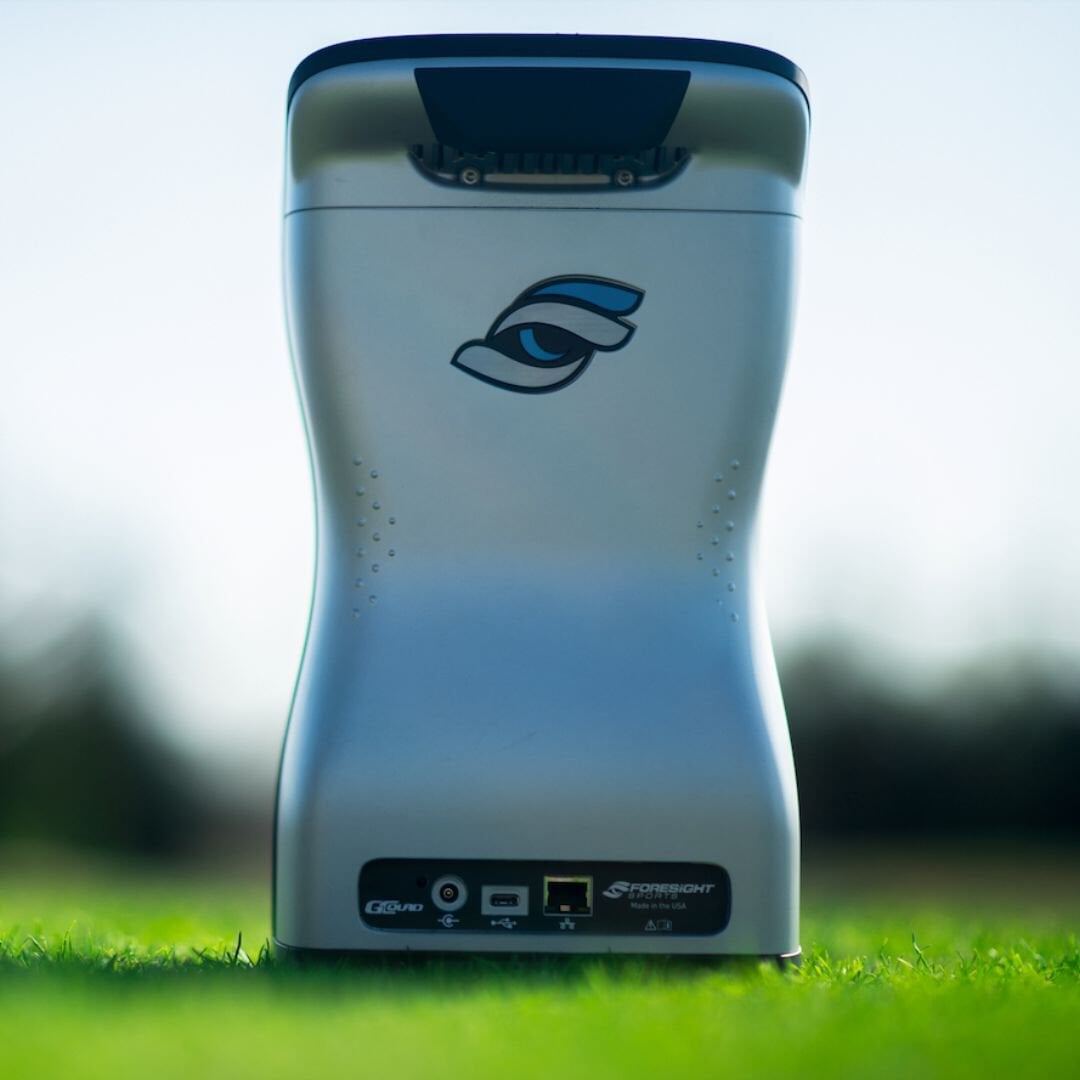
     

    What I didn’t like:

    • The cover is slightly less resilient than premium alternatives.
    • Prone to scuffing is easier than premium options.
    • More suitable for slower swing speeds.


    Srixon Soft Feel 13 Brite Golf Balls

    This golf ball provides a soft feel and impressive distance, making it an excellent choice for players with slower swing speeds. It combines durability with high quality, offering great value for its price.


    Features

    This ball features a fast-layer core that transitions from a soft center to a firm outer edge. This unique design gives me an incredibly soft feel and impressive distance off the tee. The two-piece construction not only ensures durability but also enhances overall performance.


    The 338 SPEED DIMPLE PATTERN is a standout feature, reducing drag at launch and increasing lift during descent. This means more distance overall and improved performance, especially in windy conditions.


    The soft and thin cover of the ball adds to its excellence, providing more greenside spin and a softer feel on all my pitches, chips, and putts.


    I particularly appreciate the three vibrant Brite color options—red, orange, and green—that add a touch of fun and enhance visibility. Finding my ball on the course is a breeze, making each round more enjoyable.

    Performance

    I’ve found the Srixon Soft Touch balls to be really consistent in terms of flight, distance, and the feel around the greens.


    They’re a reliable and solid option that doesn’t break the bank. I genuinely enjoy the overall performance of these balls, with distance and control being two key factors. However, I think the spin they offer around the greens could be better.


    What I liked:

    • Provides a soft and pleasant feel.
    • Delivers noteworthy distance.
    • 2-piece construction ensures durability.
    • Vibrant red, orange, and green for visibility.
    • It is a more affordable option and offers great value for the price.


    What I didn’t like:

    • Spin around the greens needs further improvement.


    Features to look out for when choosing the best golf ball for a slice

    Low Spin:

    When struggling with a slice in your golf shots, a key attribute to consider in the best golf ball is low spin. Choosing a ball with a low spin helps mitigate the sidespin created upon impact. This is particularly advantageous for individuals contending with a slice, as it encourages straighter and more precise shots.


    A golf ball with low spin affords greater control over your ball’s trajectory, leading to enhanced accuracy and predictability in its flight path. It’s essential to prioritize this characteristic when picking a golf ball to tackle and effectively minimize your slice’s influence on the course.


    Low Compression:

    Low-compression balls are intentionally crafted to deform more upon impact, and this quality proves especially beneficial for those with a slower swing speed. Opting for a ball with low compression helps minimize sidespin, resulting in straighter and more controlled shots.


    The softer feel of these balls contributes to improved overall control, facilitating better contact and distance even with a moderate swing speed. When searching for the optimal golf ball to address your slice, it’s crucial to prioritize one with low compression.


    Dimple Design:

    When choosing a golf ball, paying attention to the dimple design is crucial. Dimples play a pivotal role in a golf ball’s aerodynamics, influencing its trajectory and stability during flight. Golf balls typically have between 300 and 500 dimples, and the specific count can vary based on the ball’s design and intended characteristics.


    A well-designed dimple pattern can optimize lift, reduce drag, and enhance accuracy. It’s essential to look for golf balls with dimple patterns that contribute to a stable ball flight, minimizing the likelihood of a slice. Aerodynamically efficient dimple designs can significantly affect the ball’s performance, offering the potential for straighter and more controlled shots.


    Alignment Aid:

    An alignment aid on a golf ball typically consists of visual elements like arrows, lines, or a distinctive pattern strategically designed to help golfers align their shots accurately.


    This aid serves as a visual guide during setup, assisting golfers in aligning the ball precisely with the target or the intended shot path. It proves especially beneficial for those dealing with alignment challenges, offering a clear reference point for positioning the ball around the target and the desired line of play.


    Incorporating a golf ball with an alignment aid into your game can contribute to improved setup consistency, enhanced aim, and potentially a reduced likelihood of a slice by ensuring more precise alignment of your shots. When choosing a golf ball with a suitable alignment aid, you must consider your personal preferences and how the visual cues align with your aiming habits.


    Construction

    If you’re struggling with a slice in your golf shots, opting for two-piece construction golf balls is ideal. These balls are specifically designed to minimize spin, assisting in keeping your shots straighter and mitigating the impact of your slice.


    Featuring a simple design with a solid core and a durable cover, two-piece balls also come with the added advantage of affordability, making them perfect for beginners and those embarking on their golf journey.


    Durable Cover:

    When selecting golf balls, prioritizing a durable cover is paramount for the longevity and performance of your game. This outer layer, often crafted from robust materials like surlyn or ionomer, serves as a protective barrier against the rigors of the game. It shields the ball from scuffs, cuts, and impacts with various surfaces, ensuring an extended lifespan and consistent performance.


    For you, as a golfer, this translates to reliable shot outcomes and a ball that can withstand the demands of regular play. The cover’s durability also enhances your golf ball’s versatility, enabling it to perform well in various weather conditions. While there might be a slightly higher upfront cost, the long-lasting nature of a durable cover proves to be cost-effective, especially considering its extended durability.


    Whether you’re a beginner or a seasoned player, opting for golf balls with a durable cover ensures you have a reliable and resilient companion on the course.


    Color

    Traditional white golf balls are a classic choice, offering a clean, timeless look against the green landscape. They are easy to spot during play, providing clear visibility. Yellow golf balls can also enhance visibility against green grass, especially in varying light conditions. Whether you go for the classic yellow or white or venture into more vibrant colors, the key is to find a color that enhances your ability to track the ball during play and complements your overall golfing experience.


    Final Verdict

    Choosing the right golf ball is crucial, especially when dealing with a slice in your shots. The TaylorMade TP5x Golf Balls stand out for their exceptional spin control, durability, and high visibility. However, they come at a higher price and may not be ideal for slow swing speeds.


    The Srixon Soft Feel 13 Brite Golf Balls offer a soft feel, great distance, and affordability. They offer good value for money. However, they may need improvement in spinning around the greens.


    The balls reviewed in this article are designed with features to help golfers reduce slice. When choosing one, you must watch for low spin, low compression, durable covers, dimple design, and alignment aids. Whether prioritizing spin control, affordability, or soft feel, there’s a suitable option among these recommendations.


  • The Best Golf Cart Back Seat Kit

    The Best Golf Cart Back Seat Kit


    The best golf cart back seat kit should feature robust frame construction for lasting durability, straightforward installation, plush and comfortable cushioned seats, and, of course, seamless compatibility with your golf cart. Affordability is also a plus to ensure you stay within your budget.


    Over the last two years, my 2010 Yamaha G29 cart has been reliably functional. However, earlier this year, my boys started to join me on the course more often. The challenge of accommodating everyone in the cart became a hassle, taking the joy out of the comfortable rides I always enjoyed. To address this, I invested in a golf cart back seat kit. After testing various models, I’ve compiled a list of the top five that demonstrated outstanding performance during trials.


    After thorough consideration and testing, I ultimately chose the Yamaha G29 Drive Rear Flip Seat Kit. The sturdiness of this golf cart back seat kit impressed me, and the installation process was surprisingly straightforward. The overall aesthetic enhancement it brought to my golf cart was noteworthy. The cushions, made of high-quality material, provided exceptional comfort. While the price was slightly higher than my initial budget, the kit’s functionality and quality more than justified the cost. It’s essential to note that the selection of a golf cart back seat kit should align with the specific model of your golf cart, as not all kits are universally compatible. I opted for this model because it was the most suitable for my golf cart’s specifications.


    In the rest of this article, I will evaluate alternative options, delve into their functionalities, present a comprehensive assessment of their performance in testing, highlight their advantages, and outline any drawbacks that surfaced during the evaluation. Let’s go.

    Specification comparison

    These backseat kits for golf carts are constructed from highly durable materials to ensure longevity and incorporate features that enhance their functionality. The table below compares their distinctive features, providing a comprehensive overview to assist you in making a prompt and informed decision about which option best suits your needs.


    Golf cart back seat kit Yamaha G29 Drive Rear Flip Seat Kit EZGO RXV Rear Flip Seat Kit EZGO TXT Rear Seat Kit Club Car DS Rear Flip Seat Kit Yamaha G14-G22 Rear Flip Seat Kit
    Compatible with Yamaha G29 (2007–2016) and Drive2 (2017 and newer) models of golf carts EZGO RXV Model (2008–2015) EZGO TXT and Medalist make and model golf carts for all years, including the newer 2014 and newer TXT Valor Carts. Club Car DS 1982-2000.5 (Old Style) | Club Car DS 2000.5-2013 (New Style) Yamaha G14/G16/G19/G22 Models
    Seat cushion material Upholstered with marine-grade vinyl Marine-grade vinyl Marine-grade vinyl and high-density plastic backer board Upholstered with marine-grade vinyl Upholstered with marine-grade vinyl
    Seat Weight 120 lbs 120 lbs 120lbs 120 lbs 90 lbs
    Carry Load-Rating 400 lbs 400 lbs 400 lbs 400 lbs 400 lbs
    Cargo Bed Material Aluminum diamond plated with an industrial-grade polished finish Steel square tube, aluminum diamond plate Durable powder-coated steel Aluminum diamond plated with an industrial-grade polished finish Aluminum diamond plated with an industrial-grade polished finish
    Price $369.95 $369.95 $334.00 $379.99 $369.99


    Yamaha G29 Drive Rear Flip Seat Kit

    This golf cart back seat kit offers exceptional durability and impressive quality. The cushions provide a level of comfort that is both superb and sturdy. The easy installation process is another standout feature. Thanks to the innovative Flof Golf feature, transforming your cart from a 2-passenger configuration to a 4-passenger setup is a breeze, adding further versatility to this kit.


    Feature

    I was impressed with this seat kit’s folding capability. Flipping and folding the bottom seat cushion effortlessly is a game-changer, turning my 4-passenger golf cart into a versatile cargo bed for easy load transportation.


    The construction is top-notch, made from high-quality materials like steel (1″ square tubes), aluminum diamond plate cargo bed, and stainless steel hardware and fasteners. This rear flip seat kit is built tough and designed to handle challenging conditions.


    The cushions are made with marine-grade vinyl for long-lasting comfort, style, durability, and UV protection. I appreciate the added safety measures, such as the protective rubber trim along the edges of the diamond plate, ensuring a smooth and secure seating experience.


    The aluminum diamond-plated cargo bed with an industrial-grade polished finish provides exceptional strength and durability. I also love the use of black industrial-strength powder coating for all seat frames, guaranteeing long-lasting durability and maintaining the cart’s attractive appearance without rusting over time.


    With a cargo bed weight rating of 400 lbs, I’m confident it can handle loads within and under this rating. The overall weight of the kit is around 120 lbs, adding to its sturdiness.


    It’s worth noting that this kit is specifically designed for Yamaha G29 (2007–2016) and Drive2 (2017 and newer) model golf carts. Unfortunately, it won’t fit on the G2-G22 or other models.


    Included in the package are all the necessary components, like

    • a color step-by-step installation guide sheet,
    • footplate with grab bar,
    • armrest,
    • high-strength fasteners,
    • Backrest,
    •  bottom cushion,
    • main brackets.
    • The detailed installation instructions with pictures make the setup process straightforward and user-friendly.

    Performance

    I recently added this back seat to my 2010 Yamaha G29 cart, and the installation process was pretty straightforward, taking roughly 3.5 hours. While mostly clear, the instructions had a couple of confusing points. For instance, the manual suggested removing the roof for access and then supporting it while removing the rear supports, which seemed contradictory. I opted to remove the roof without additional support. Additionally, I had to clean up the threads on two nuts and one bolt.


    The quality is impressive. Despite being a large guy at 315 lbs, I can stand on the back platform without issues. The seats are well-made, and I highly recommend this product for your cart.


    I did encounter a small issue with a saw cut and a 3/4″ burr on the seat frame that was powder-coated over and quite sharp, but the fitment to my cart was good.


    One thing that stands out about this product is its craftsmanship. Beyond just the quality, the packaging and instructions are commendable. The hardware was well organized and labeled, matching the steps in the instructions. The instructions are printed in color on water-resistant paper with clear photos for each step, and they even specify the wrench size or tool needed for each step.


    The seat is sturdy, and the one I received had a grip handle at the back without the little step behind the footrest, making it even better than pictured. I also added seat belts for safety, especially when carrying passengers in the back seat.


    Overall, it fits my cart perfectly, and I recommend having a second set of hands to help with the installation, making the process much easier.


    What I liked:

    • High-quality materials, including steel tubes, aluminum diamond plates, and stainless steel hardware.
    • Innovative design allows easy transformation from a 2-passenger to a 4-passenger setup.
    • Comfortable cushions for comfort, style, durability, and UV protection.
    • Seamless fits into Yamaha G29 (2007–2016) and Drive2 (2017 and newer) model golf carts.
    • All necessary components are included, along with a step-by-step installation guide.


    What I didn’t like:

    • More expensive options
    • The installation instructions had some confusing points.


    EZGO RXV Rear Flip Seat Kit

    The EZGO RXV Rear Flip Seat Kit distinguishes itself with its user-friendly installation process, and its fold-down feature adds high functionality. However, it falls short in terms of durability. This golf cart back seat kit is designed to fit the EZGO RXV model from 2005 to 2015.


    Features

    This golf cart back seat kit features a cushion crafted from high-quality marine-grade vinyl. Weighing in at around 90 pounds, it’s one of the lighter options available, making installation a breeze. The frame, created through a specialized tube-bending manufacturing process, gives the kit a robust form while ensuring it maintains strength.


    One standout feature is the aluminum diamond-plated cargo bed with an industrial-grade polished finish, offering increased durability and longevity during performance. A cargo bed with a load weight rating of 400 lbs is designed to handle substantial loads without compromise.


    I appreciate the thoughtful design, including a protective rubber trim along the edge of the diamond plate, which provides passenger protection and ensures a comfortable sitting experience. The comprehensive combo package usually includes

    • a rear flip seat with a bag holder kit,
    • footplate support, and installation hardware.
    • User-friendly installation instructions, complete with pictures, make the assembly process straightforward.


    Performance

    While the installation process was pretty straightforward, I felt the instructions could have been a bit more detailed, and clearer pictures would have been helpful. Despite this, the seat and fold-down storage shelf have proven excellent for accommodating extra passengers or transporting items. Getting the Bagwell bar to fit perfectly took a bit of maneuvering, but it eventually slid into place like a glove. I tackled the installation solo and, armed with the right tools, got it done in about 2.5 hours.


    The final result closely resembled the provided picture, although there were some issues with bolt lengths, requiring the use of spacers. The footrest brackets were not as wide as depicted, prompting the need to drill new bolt holes. While this wasn’t a major setback, it did add some extra time to the installation process.


    In terms of construction, the kit is well-built, but it’s important to note that the seat is somewhat narrow compared to fixed seats or other 2-in-1 options. It might be a bit cramped for two adults on an extended journey, but it works well for kids.


    A couple of suggestions for improvement would be to paint the metal with a gloss finish to better match the EXGO color and address the hole pattern discrepancy between the seat and seat bracket.


    Another hiccup was with the D-ring that opens the hatch for the cooler—it cracked due to thin plastic. Aside from that issue, the kit performs perfectly.

    What I liked:

    • Fold-down feature for extra storage or passengers.
    • High-grade materials, including marine-grade vinyl and a strong frame.
    • It comes with the necessary hardware and accessories.


    What I didn’t like:

    • Designed for EZGO RXV 2005–2015, it is unsuitable for other models.
    • Seats may be cramped for two adults on longer journeys.
    • Installation instructions could be better.


    EZGO TXT Rear Seat Kit


    This kit is compatible with all-year EZGO TXT makes and models, including the newer 2014-to-date TXT Valor cart. It can comfortably accommodate two adults or, if you prefer, use it to transport cargo. However, it’s important to note that it may not be the most durable option and doesn’t match the high quality of some other golf cart back seat kits that have been tested. It is, however, a more affordable option.


    Features

    I fitted these seats to an EZGO TXT, and they’re compatible with all makes and models, including the newer TXT Valor carts from 2014 onwards. The frame is meticulously crafted from durable, powder-coated steel, ensuring a lightweight yet robust, rust-resistant build.


    The cushions are thoughtfully designed with a high-density plastic backer board instead of plywood, ensuring extended life and enhanced durability. I was pleased to find integrated seat belt mounting brackets for passengers facing the rear included in the kit.


    The Easy Flip Seat feature makes it effortless to convert the seating area into a cargo bed when needed. I had the option to choose from tan, black, or white for the color of this golf cart’s back seat.


    The flip seats feature a sturdy framework made of steel, complemented by a rigid aluminum step pan and stylish side rails crafted from 14-gauge steel. Stainless steel hardware is incorporated to prevent rust, ensuring a long-lasting and reliable product. It was a great upgrade for my EZGO, combining functionality and durability.


    Performance.

    I expected to make some small modifications to fit it onto my cart, and that part went as planned. While the instructions weren’t stellar, they weren’t terrible either.


    The installation took about 3 hours, and it was a one-person job. I chose this kit over cheaper alternatives because of concerns about poor instructions, missing hardware, or the wrong size bolts. I highly recommend this kit, especially for a 1999 EZ-Go TXT Freedom.


    I liked the design of the seat and flip bed, especially the rounded corners and the plastic cover on the footrest.


    However, some aspects I didn’t like outweighed the positives. Quality control appears to be lacking. The seat foam is too firm, and the covers are not tightly wrapped, showing unsightly wrinkles and looseness.


    I’ll have to redo the stapling to make it tighter. The assembly bolts have large heads protruding both physically and aesthetically. The use of black-finished carriage bolts could have looked much better. The flip part seems flimsy, and the metal angle part that bolts on to stiffen it feels like an afterthought. The seat doesn’t lay flat in either position, requiring disassembly and the pivot bolt holes elongating to resolve.


    Additionally, the bed part has a small crack in a stress point that is likely to worsen. While I can probably make it serviceable, spending several hours fixing design and quality issues is disappointing. I do not consider this rear flip seat kit a well-made product. It was filled with flaws and didn’t provide enough value for the cost.

    What I liked:


    • Fits all-year EZGO TXT models, including newer TXT Valor carts.
    • Comfortably seats two adults or folds down for cargo transport.
    • Uses a plastic backer board for extended life and durability.
    • Provides safety features for passengers facing the rear.
    • There are tan, black, or white color choices for the golf cart back seat, so you have a variety to choose from.


    What I didn’t like:

    • It may not match the high quality of some other golf cart back seat kits I tested.
    • Installation instructions are not stellar but manageable.
    • The flip part feels flimsy, and the metal angle part seems like an afterthought.


    Club Car DS Rear Flip Seat Kit


    This golf cart back seat kit is exceptionally sturdy and specifically designed for Club Car DS 1982–2000.5 (Old Style) and Club Car DS 2000.5–2013. Despite its robust construction, the installation process is not the easiest. One notable drawback is that this kit does not fit all Club Car DS models, limiting its compatibility. It also costs a bit more than other golf cart back seat kits.


    Features

    I recently got my hands on this rear flip kit and am impressed with its design. The flip deck is incredibly sturdy, and the marine-grade vinyl on the cushions adds comfort, durability, style, and UV protection. The materials used, including steel square tubes, aluminum diamond plates, and high-quality hardware, make the Steeleng rear flip seat tough and built to withstand.


    One feature that caught my attention is the diamond-plate-patterned composite plastic deck, which is a more durable option than alternatives. The strong frame design and grab strap make opening the flip deck easy. With a seat weight of 120 pounds, it feels robust and substantial.


    Compatibility-wise, this golf cart seat is best suited for Club Car DS models from 1982–2000.5 (Old Style) and Club Car DS 2000.5–2013. This kit combines durability, unique features, and a good fit for Club Car golf carts, making it a compelling option for anyone looking to upgrade their rear seating.


    Performance

    I successfully installed this rear flip seat on a 2006 Club Car DS, and it fits seamlessly without any issues, completing the process in just 45 minutes. However, it was a different story with a 2008 Club Car; unfortunately, it didn’t fit.


    The seat itself is notably heavy and impressively sturdy, providing a sense of durability.

    I’m pleased with how sturdy it was, and the color almost perfectly matches the factory shade. I would recommend it to others.


    Assembling the product was a positive experience. All the necessary parts were included, and the instructions were good, even though the bolt sizes were in millimeters. I improvised with terms like small, medium, and large for lengths.


    While the final installation was excellent, the process demanded patience, time, and careful study. A helpful YouTube video provided additional guidance for a smoother installation.


    One suggestion for improvement would be to include shorter bolts for the front seat. The original bolts, designed for a 1-inch square tube mounting bracket, may protrude into the foam of the front seat due to a design change. I opted for shorter bolts from my collection to avoid this issue.


    Besides that, the product features thick metal and substantial bolts. I enhanced its functionality by adding seat belts, which provided a safety feature.


    What I liked:

    • Built for durability in Club Car DS 1982–2000.5 (Old Style) and 2000.5–2013.
    • Handy grab strap for a hassle-free flip deck.
    • The color closely matches the original factory shade.


    What I didn’t like:

    • It doesn’t fit every Club Car DS cart.
    • Bolt sizes are given in millimeters, requiring extra effort to understand.


    Yamaha G14-G22 Rear Flip Seat Kit

    One standout feature of this kit is its versatility, as it seamlessly fits into all Yamaha G14/G16/G19/G22 models. It delivers great quality for the price. However, it’s worth noting that the installation process may not be the easiest.


    Features

    The polished aluminum diamond-plated cargo bed with the grab bar attachment adds a touch of sophistication. What’s great is that it’s designed to be compatible with Yamaha G14, G16, and G19/G22 models.


    The kit includes all the essentials, including:

    • A comfortable backseat for passengers
    • An easy-to-follow, all-color installation guide
    • A footplate with a grab bar
    • Armrest
    • High-strength fasteners
    • The backrest and bottom cushion
    • Main brackets
    • Rear roof supports
    • Aluminum diamond-plated cargo bed assembly


    With a weight of 90 lbs, this kit is built with a special tube-bending manufacturing process, creating a sturdy frame while maintaining strength. The cargo bed, featuring an industrial-grade polished finish, impressively supports a load weight of up to 400 lbs. Passenger safety is a top priority, evident in the protective rubber trim installed on the edge of the diamond plate, ensuring a smooth and safe surface.


    The kit doesn’t just stop at functionality; it also prioritizes comfort. The very strong flip deck and marine-grade vinyl on the cushions offer both durability and a comfortable ride. The diamond-plate-patterned composite plastic deck and a robust frame design guarantee exceptional durability.


    One feature that stood out to me is the grab strap, which makes it easy to open the flip deck and convert seats to cargo beds effortlessly. It’s a well-rounded kit that combines style, durability, and practicality.


    Performance

    While the directions could have had clearer pictures, the packaging was secure, arriving in two separate boxes for the hardware and cushions. The step-up felt quite flimsy.


    Unfortunately, it didn’t fit the 2004 Yamaha G22 as the mounting holes differed. I had to make modifications to get it to work.


    An interesting note is that the roof uprights were said to be included for the G16E, but I found that the existing one-piece roof bolted right down on the new setup. I did cut some off the included uprights and bolted them on, adding extra strength without compromising the existing structure.


    As a suggestion, adding some armrest cup holders would be a great enhancement to the kit.

    Overall, it’s a decent product with an almost reasonable price. It looks good, too. Though lacking real photographs, the instructions could be improved to speed up the installation process.


    To sum it up, the installation was not the easiest, and the product is not the most durable.


    What I liked:

    • Fits Yamaha G14, G16, and G19/G22 models.
    • Budget-friendly compared to alternatives.
    • Sturdy frame via a special tube-bending process.
    • The Grab strap facilitates effortless seat-to-bed transformation.


    What I liked:

    • Requires modifications and does not align with all models.
    • Missing armrest cup holders for added convenience.


    Factors to consider when choosing the best golf cart back seat kit

    Cart compatibility

    This should always be your first consideration. You need to choose a back seat kit tailored to the make and model of your golf cart, ensuring seamless integration with its unique frame structure. Look for options that complement the existing design or allow for personalization, enhancing aesthetics and functionality. It’s essential to assess how the back seat kit aligns with your cart’s rear accessories, such as cargo beds. If your cart didn’t initially have a rear seat, explore conversion kits designed specifically for your model.


    Prioritizing compatibility ensures that your golf cart’s new addition looks good and performs reliably during your rounds on the course.


    Frame structure and durability:

    A sturdy frame not only enhances the safety of passengers but also ensures that the back seat withstands the wear and tear associated with regular use. Choosing a back seat kit with a well-engineered and sturdy frame adds to the reliability and longevity of your golf cart.


    Always prioritize durability by opting for cart kits made from high-quality materials. Opting for a sturdy frame is like choosing the right club for a shot; it makes all the difference. Look for materials like steel or aluminum; they’re the heavy hitters in the frame game. These materials provide durability and ensure stability, especially when navigating the twists and turns of the golf course.


    Seat material and cushioning:

    The seat material and cushioning choice are crucial when selecting a golf cart back seat kit. Look for materials like marine-grade vinyl or UV-resistant fabrics for the seat upholstery. These materials not only withstand outdoor elements but also contribute to long-term durability.


    Think about UV-resistant fabrics too, because, you know, the sun can be relentless out there. Now, about cushioning—it’s the comfort factor. You want that perfect combo of firm support and cushy goodness for those long rides on the course. So, dive into the details, find the right mix, and ensure your back seat isn’t just durable and the comfiest spot on your golf cart.


    Installation ease:


    Opt for a kit with clear and comprehensive instructions, facilitating a user-friendly setup. Consider whether the kit includes all the necessary hardware and mounting components. Additionally, check if professional installation services are available or recommended for a seamless and secure setup. Choosing a back seat kit with straightforward installation ensures that you can enjoy the added functionality without unnecessary complications.


    Weight capacity:

    Every golf cart back seat kit has its weight capacity. So, take a moment to assess the weight limit of the back seat kit—that’s the maximum load it can handle. Consider your usual crew and factor in any potential cargo. You wouldn’t want to exceed the specified limit, as it can affect the stability of your golf cart, and, frankly, nobody wants a bumpy ride on the course. So, check those weight ratings diligently to ensure your golf cart can smoothly carry you, your friends, and maybe a cooler of refreshments without a hitch.


    Fold-down option:


    Lastly, consider the fold-down option when selecting a golf cart back seat kit. This feature allows the seat to be easily folded, creating additional cargo space when needed. Assessing this functionality can enhance the versatility of your golf cart, providing practical solutions for transporting equipment and gear during your rounds.


    Final thoughts

    Each kit reviewed in this article has its unique features. Whatever one you decide to go for, you must always consider cart compatibility, frame structure, seat material, installation ease, weight capacity, and fold-down options to align with your specific needs and preferences. I hope you found this review helpful.


  • How to Remove the Speed Limiter on an Electric Golf Cart

    How to Remove the Speed Limiter on an Electric Golf Cart


    Disconnect the battery to remove the speed limiter on your electric golf cart. Afterward, locate the speed limiter and disconnect it; once disconnected, you can remove it. Then, you can reconnect the battery and test it to ensure it is properly connected.


    I’ve had the opportunity to use various golf carts on the course, finding them incredibly practical, especially since I no longer have to carry my clubs on foot. Considering the convenience, I invested in my electric golf cart last year. It has proven highly functional, serving well on and off the course. I even use it during golf outings with my friends, like fishing.


    However, I did notice one aspect that could use improvement—the speed. My cart had a top speed of 12 MPH, and I felt that a bit more speed would enhance the overall experience. After consulting with my neighborhood technician, he suggested removing the speed limiter. Following his advice, I successfully removed the limiter, resulting in a significant increase in speed. This modification has notably improved the performance of my electric golf cart.


    In the rest of this article, I will guide you through removing the speed limiter on an electric golf cart. Additionally, I’ll delve into essential precautions to consider while undertaking the removal of the speed limiter.


    A step-by-step guide to removing the speed limiter on your electric golf cart


    Tools needed to remove the speed limiter on your electric golf cart:


    When removing the speed limiter from your electric golf cart, having the right tools is essential to ensuring a smooth and safe process. You’ll need the following tools for this modification:

    • Screwdriver
    • Wire cutter
    • clamp
    • Zip ties
    • Safety glasses
    • gloves


    1. Start by disconnecting the battery.

    To achieve this, follow the steps below:

    • Begin by locating the black clip that secures the red wires. This clip serves as a fastening mechanism for the cables on the battery terminals.
    • Carefully remove the black clip from the red wires using an appropriate tool. This could be a clamp or fastener holding the cables in place. Gently detach it to free the red wires.
    • Remove the red wire from the battery terminal with the black clip removed. Use a wrench or screwdriver to loosen the nut securing the red wire to the battery’s positive terminal (+).
    • Once the red wire is detached, place it in a secure location where it won’t come into contact with any other metal pieces. This precaution is crucial to prevent accidental contact, reducing the risk of sparks or electrical discharge.
    • Use a cable tie or secure it in a designated area to ensure isolation.
    • During this process, exercise caution and prioritize safety. The goal is to disconnect the battery safely, preventing electrical hazards and protecting yourself and the golf cart’s components.


    2. Find the speed limiter.

    • Your next step is to locate the speed limiter on your electric golf cart. The speed limiter is typically a small black box with two wires connected to it, and it is situated near the speed control system of the cart.
    • It could also be found near the left side of the motor housing, either under the seat or in the back of the cart in the battery area. Inspect these areas for the small black box, paying attention to its wiring.
    • If you encounter difficulties locating the speed limiter, consult the manufacturer’s documentation for your golf cart model. Alternatively, seek guidance from a professional technician familiar with your electric golf cart’s specific features and components.


    3. Disconnect and remove the speed limiter.

    • After successfully locating the speed limiter on your electric golf cart, the next step is to disconnect it.
    • Press down on the tabs and carefully remove the wires from the speed limiter. Note which wire corresponds to each terminal to ensure proper reconnection later. Alternatively, you can use a wire cutter to make clean cuts on the wires. Wear gloves during this step to protect your hands from sharp edges or wire ends.
    • Once the wires are disconnected, set them aside in a safe location.
    • The next step involves removing the limiter from the motor housing. To accomplish this, gently insert the flathead screwdriver between the speed limiter and the motor housing, applying even pressure to release it.
    • Exercise caution during this step to avoid damaging any surrounding components. If any clips or fasteners are securing the limiter, ensure they are disengaged before attempting to remove it.


    4. Reconnect the battery and test:

    • Once the speed limiter is successfully detached, you can discard it. This step marks the completion of removing the speed limiter from the electric golf cart. Remember to dispose of the speed limiter responsibly and under local regulations.
    • Now that the speed limiter has been successfully removed, proceed to the next step by reconnecting the battery. Ensure that you connect the red wire to the positive terminal and the black wire to the negative terminal. This step is crucial for restoring power to the electric golf cart.
    • You may notice that the lights don’t immediately come on. The lights will illuminate once you start the cart, signaling that power has been restored.
    • After securely reconnecting the battery, it’s time to test the electric golf cart. Turn the key or use the designated power switch to start the cart and observe its behavior. Take note of any changes in acceleration or speed, ensuring that the removal of the speed limiter has the desired effect.

    Precautions to take when removing the speed limiter on your electric golf cart.

    When removing the speed limiter on your electric golf cart, it’s crucial to take certain precautions to ensure safety and compliance:

    • Understand local laws and regulations:

    Thoroughly understand and comply with local laws and regulations related to golf cart modifications. Familiarize yourself with any restrictions or requirements to avoid legal consequences.

    • Prioritize safety gear:

    Wear essential protective gear, including gloves and goggles, to shield yourself from potential hazards during modification. Safety should be a top priority.

    • Exercise Caution with the Battery:

    When working with the battery, exercise caution to prevent accidental rolling. This precaution is vital for your safety and the integrity of the battery, reducing the risk of unexpected discharges.

    • Thorough testing before use:

    Before using the modified golf cart, conduct thorough tests in a secure setting. Assess its handling performance and check for any potential issues resulting from the modification. This testing ensures that the changes made do not compromise safety.


    • Adhere to the manufacturer’s instructions:

    Always adhere to any instructions provided by the golf cart manufacturer. Understanding how modifying the speed limiter affects the vehicle’s performance is essential for safe operation. Be aware that such modifications might void warranties, so proceed with caution.

    • Consider Potential Warranty Implications:

    Be aware that modifying the speed limiter could void warranties provided by the manufacturer. Understand the potential implications and proceed with awareness of any warranty-related consequences.

    • Consult with a professional technician:

    If uncertainties arise or issues persist during the modification process, consider consulting with a professional technician who is familiar with the specifics of your golf cart model. Their expertise can provide valuable guidance.


    Final thoughts

    Removing the speed limiter is a great way to increase the speed of your electric golf cart. The process must be executed with care and attention to safety. You must exercise caution at every step, from disconnecting the battery and taking out the speed limiter to reconnecting the battery to your electric cart.


    Understand and comply with your local laws, prioritize safety with protective gear, and always exercise caution. This will ensure you achieve improved golf cart speed while minimizing risks and maintaining reliability.


  • The Best Golf Bag for a Push Cart

    The Best Golf Bag for a Push Cart

    The best golf bag for push carts is the Sun Mountain C-130 2023. Featuring a classic design, this bag is easy to load and unload. It offers ample storage, a 14-way top for organized club placement, and accommodation for full-sized grips. However, it comes at a higher price point. Despite this drawback, its great features make it a valuable investment.


    I am more of a Sunday golf bag golfer; I rarely carry a complete set of clubs to the course, so I rarely use my cart bag. I started visiting the system with a few more clubs sometime last month and needed more space.

    I already had a golf bag for the pushcart, but when I brought it out, I noticed it was worn out, and some of the zippers snapped when I tried to use it. I decided that I needed to get a new one. I needed a functional bag that provided ample storage, sat well in the cart without coming loose, and offered the durability and high quality my previous bag lacked. I was willing to spend more to meet this requirement. After extensive research and testing, some golf bags outperformed the others as the best for push carts.


    Ultimately, I chose the Sun Mountain C-130 2023 Cart Bag, captivated by its impressive, sturdy frame and user-friendly strap system, which facilitates easy access to all pockets while secured on the cart. Despite its higher cost, I was willing to invest more to obtain the desired performance, and the bag was delivered. For budget-conscious golfers, the Datrek Transit Cart Bag provides a more affordable option, although it may not match the durability of the Sun Mountain C-130 2023 Cart Bag.


    In the rest of this article, we’ll review the features of each golf bag that make them suitable for push carts, share how they performed during testing, highlight their advantages, and discuss some areas that could be improved. Stick with me; let’s get started.


    Specification comparison

    These golf bags are crafted to provide ample storage for your clubs and other golfing essentials, such as a rangefinder and putter, and are made with material to ensure durability while catering to a range of price points. The table below presents a concise summary of the key features, allowing for a quick comparison if you’re pressed for time and helping you decide on the bag that best suits your needs.


    Golf Bags Weight Dividers Pockets Price
    Sun Mountain C-130 2023 Cart Bag 6.5 lbs 14-way 13 $289.99
    COBRA Ultralight Pro Cart Bag 5 lbs 14-way 11 $250
    Mizuno BR-D4C Cart Bag 6.5 lbs 14-way 20 $279.99
    Datrek Transit Cart Bag 7.4 lbs 14-way 8 $239.99
    Titleist Cart 15 2023 Cart Bag 6.5 lbs 15 full-lent 11 $300


    Best Overall: Sun Mountain C-130 2023 Cart Bag

    The Sun Mountain C-130 2023 Cart Bag offers impressive storage capacity. Its secure smart strap system ensures stability during use and allows you to access all pockets easily. With a selection of 11 colors, you have a variety to choose from to suit your style. Although it is heavier at 7 lbs, this didn’t pose an issue since I intended to use it with a pushcart. The weight contributed to its stability and overall performance during use.

    Features

    This bag incorporates 14 individual club dividers, with a dedicated putter compartment running the full length to ensure optimal protection for each club. The Smart Strap System, equipped with two Velcro straps, securely attaches the bag to a riding cart. This design ensures stability on the cart and eliminates any interference with accessing the bag’s pocket caused by the riding cart’s straps.


    This bag provides ample storage with 13 pockets, including two designed for apparel. Notably, it features a ventilated cooler pocket to keep your drinks cool while playing. Additionally, there are two velour-lined pockets for added luxury and a spacious, velour-lined rangefinder pocket with a convenient magnetic closure.


    Moreover, the Smart Strap System has a matching waterproof hood, enhancing the bag’s versatility and functionality.


    Performance

    I like this bag’s 14 individual club dividers, especially the dedicated putter compartment that runs the full length. It’s fantastic for protecting my clubs and preventing them from shifting around. Even though I’ve only had it for about three weeks, it’s exceptionally well-made and should last a long time. It seems highly durable.


    Having 15 individual slots for each club is great for keeping things organized, and the numerous pockets with quality zippers add to the overall convenience. The bag fits perfectly on the cart, and I appreciate that the cart strap can slide through, allowing access to all pockets while it’s strapped in. The frame is solid and sturdy, yet surprisingly lightweight, making it easy to carry. The padded carry strap adds to the comfort.


    I also like the extra features, such as the side cooler-lined pocket, top grab handles, and a base grab handle, which make it easy to take in and out of my vehicle. The color match and design are aesthetically pleasing.


    I appreciate the absence of full-length tubes, and the range finder compartment is perfect for quick retrieval. While the lack of a dedicated tee holder is a bit disappointing, the mesh holder does the job. The cooler compartment is smaller but not a major concern since I use a hard cooler on the cart.


    This bag has met and exceeded my expectations regarding design, functionality, and quality of materials. However, there is a noticeable flaw—the metal ring at the top of the bag, where the strap goes through, creates an annoying squeaking sound when I walk with the clubs. I’m thinking of trying some silicon spray to see if that helps.


    While this bag is pricier than others on the market, its superior cart-securing mechanism and the layout of individual club slots make it a worthwhile investment. I would recommend this bag.


    What I liked:

    • This bag has plenty of room for all my golf gear.
    • The strap system keeps it secure on the cart, and I can easily reach all the pockets.
    • I love that it comes in 11 colors, so I can pick one that suits my style.
    • The fourteen dividers and dedicated putter compartment keep my clubs safe and organized.
    • The included waterproof hood adds extra protection during unpredictable weather.


    What I didn’t like:

    • At 7 lbs, it’s a bit weighty, especially if you prefer lighter bags.
    • The metal ring at the top can be annoying as it produces a squeaking sound.
    • It’s on the pricier side compared to other options at $289.99.

    COBRA Ultralight Pro Cart Bag

    This cart bag stands out as one of the lighter options, weighing only 5 lbs, yet it provides substantial storage space for its weight. It comes at a more affordable price than other alternatives at $250 and includes impressive features such as a dedicated pocket for your range finder and a spacious cooler pouch capable of holding up to six beverage cans. However, a significant drawback is its lack of durability compared to competing alternatives. The polyester material used in the bag falls short in terms of quality.


    Features


    This bag features a 14-way top with three full-length dividers, ensuring easy access to your clubs. One standout aspect is its insulated cooler pocket, capable of keeping up to nine cans of your beverage cold. Additionally, it includes a built-in pass-thru for attaching to a cart without limiting access to the pockets. The material is polyester, which is good but may not provide the same level of durability as some other alternatives.


    One feature that particularly impressed me is the slanted downward putter storage, which prevents it from banging around the club heads. This thoughtful design adds protection and convenience, enhancing the overall user experience.

    Performance

    The cooler pocket is a feature I appreciated. I could easily fit six cans with a slim ice pack to keep things cool. I can vouch for the magnet’s strength on the range finder pocket; there’s no concern about it accidentally opening.


    The pass-through for the cart strap is a brilliant feature, allowing easy access to all the top pockets without any hassle. I appreciate having pass-throughs on both sides and the front, although it depends on the cart whether I can use all three or just one side and the front. Regardless, reaching the pockets is always convenient.


    It accommodates my Cobra Woods and Ben Hogan irons with covers, a necessity due to the rough cart paths where I usually play.


    It’s a lightweight, durable cart bag that looks nice and offers ample pocket space. I did, however, notice that the top side pockets can be a bit challenging to use when covered by the cart strap.


    Also, the absence of the rain cover mentioned in the product information was disappointing. Living in Florida, where rain showers can pop up anytime, a rain cover would have been a valuable addition to keep my gear dry.


    What I liked:

    • Weighing only 5 pounds, it’s easy to handle and transport.
    • It comes at a more budget-friendly price compared to other alternatives.
    • Includes specialized pockets for a range finder and a cooler pouch for up to six beverages.
    • The downward-slanted putter storage prevents damage to club heads.

    What I didn’t like:

    • The polyester material may not be as durable as alternatives made with higher-quality materials.
    • Not fully waterproof.
    • The cart strap can hinder the positioning of the top side pockets.


    Best Premium: Mizuno BR-D4C Cart Bag

    This bag stands out as a premium option with an extensive storage capacity and about 20 pockets. Despite its weight of around 6.5 pounds, it feels surprisingly lightweight. The strap system is a thoughtful feature, ensuring secure attachment and preventing any damage even if the cart strap is tightened. However, a notable drawback is that while the bag offers 20 pockets, many of them, like the ball compartment, are too small and can be challenging to access. It’s also a more expensive golf bag.

    Features

    This bag stands out with its premium features. The 14-Way Top Cuff with an Integrated Large Putter Well is designed to ensure organized club storage.


    I particularly value the rubberized grab handle integrated into the top cuff, which provides an additional grip when carrying or adjusting the bag. The Cart Strap Channel with Durable, Abrasion-Resistant Material is a valuable addition, offering long-term protection against the wear and tear caused by cart straps.


    The Magnetic Closure Pocket with Fleece Lining is a standout feature, providing extra protection for items requiring special care. Additionally, the Extra Large Insulated Cooler Pocket with Drain Holes is noteworthy, offering convenient storage for extra beverages, especially on scorching hot days.


    The Mission Control Organizer Panel is another standout feature, providing an all-in-one panel with multiple pockets for easy access to anything you might need during your round. In summary, these premium features collectively make this bag an excellent choice for golf enthusiasts seeking a high-quality and feature-rich option.


    Performance

    I’m pleased with the individual club holes and the large well for the putter featured in this book. It’s accommodating for larger grips, like my SuperStroke. Even with clubs and balls in it, the bag remains lightweight. The extra-large pouches on both sides, the medium-sized ones above them, and the spacious cooler pouch are definite highlights. The magnetic valuables pouch is a nice touch, and it seems quite durable after about 13 rounds of use.


    However, I found some pockets oddly shaped and challenging to access. A notable issue for some is the tight compartments due to a large plastic compartment for the putter, hindering the full insertion of clubs and prompting a return for a few users.


    While I appreciate the solid zippers, a significant concern emerged during heavy rain. The zippers, which I thought would be waterproof, leaked, which was quite disappointing. I would not recommend this bag if you play on a predominantly wet course.


    What I liked:

    • Offers around 20 pockets for ample storage.
    • It features a 14-way top cuff with an integrated putter well.
    • Features a protective magnetic closure pocket that ensures extra protection for valuable items.
    • The Mission Control Organizer Panel provides easy access.


    What I didn’t like:

    • Most of the pockets were too small and challenging to access.
    • Pricier than alternatives at $279.99.
    • Zippers are not fully waterproof, leading to leakage.


    Best for walking: Datrek Transit Cart Bag

    This bag is an excellent choice for senior golfers due to its convenient rolling feature, which provides ease of movement on the course. It’s notably more portable compared to other alternatives. However, it’s worth noting that the wheels may not be as functional as desired, as they tend to be quite loud during use.

    Features

    This bag is designed with a 14-way top featuring full-length individual dividers, providing excellent organization for your clubs. The retracting telescopic handle with push-button adjustment adds to its convenience.


    A dedicated soft-grip putter well ensures that your putter is easily accessible and well-protected. The inclusion of wheels makes rolling and moving the bag around the course effortless.

    In terms of storage, the bag offers 8 zippered pockets, catering to various needs. These include a fleece-lined valuables pocket, four full-length garment pockets, an oversized insulated cooler pocket, an accessory pocket, and a large ball pocket.


    Additional features like the umbrella holder and matching rain hood with dual access enhance the bag’s functionality, ensuring you’re prepared for different weather conditions on the course.


    Performance

    The introduction of wheels was a game-changer, especially for someone like me who found lugging an 80-pound cart bag quite a workout. It’s important to note that these wheels aren’t a replacement for a push cart for walkers but work well on smooth surfaces with the narrow bag stance, as long as you exercise caution.


    The eight zippered pockets are a standout feature, with three on each side and two in front, offering ample storage space.


    My 75-year-old dad tried out this bag, and he was impressed with the bag’s ease of rolling and the practicality of the 14 dividers for organizing clubs. The multiple pockets were indeed useful, and I followed the suggestion to add extra-large carabiner-type hooks for added convenience.


    However, not everything about the bag was perfect. I noticed its instability on uneven terrain, and the plastic wheels were surprisingly loud on cement. The design seemed more suited for use with a push cart, as attempting to walk with it on grassy areas posed the risk of tipping over.


    The bag’s inability to stand up well and navigate a fairway without additional support was disappointing. Although it came with a rain cover, it didn’t make the bag waterproof, resulting in wet conditions despite covered clubs.

    What I liked:

    • great for senior golfers, providing easy mobility.
    • 14-way top with dividers for accessible and organized clubs.
    • Soft-grip well for easy putter access and protection.

    What I didn’t like:

    • Some instability is observed on uneven terrain.
    • Plastic wheels are loud on cement, impacting the overall experience.
    • Rain cover doesn’t provide full waterproofing, leading to wet conditions.


    Best Waterproof: Titleist Cart 15 2023 Cart Bag

    This waterproof bag is a standout feature, providing reliable protection against the elements. Additionally, it is highly durable, offering excellent quality that ensures long-lasting performance. However, it’s worth noting that this bag comes with a higher price tag than most alternatives, at $300.


    Features

    This bag is thoughtfully designed with 15 full-length dividers, including a dedicated putter, enhancing organization and protection for your clubs. Weighing in at 6.5 lbs, it balances being lightweight with providing the necessary features.


    The integrated cart strap adds extra stability and protection when secured to a golf cart. Its notable waterproof feature is achieved through waterproof fabric, tapered seams, and water-resistant zippers, ensuring that your gear stays dry even in inclement weather.


    A soft-touch, multi-material top cuff with tour-inspired integrated handles adds a touch of luxury and convenience. The two velour-lined valuables pockets provide a secure and plush storage space for your items. This bag combines functionality, durability, and design elements to enhance the golfing experience.


    Performance

    The bag is built with exceptional quality—the zippers feel tight and well-sewn, providing a perfect fit for all 14 of my clubs, including the hybrids and the seemingly longer Maverick driver.

    The price and value of this bag pleased me, and I’d happily recommend it to anyone in need of a cart bag. The smooth-working zippers and the two handles on top for easy maneuvering from the trunk to the cart add to its practicality. Despite carrying all my clubs and belongings, it feels as light as my carry bag.


    The full-length dividers work well, and the cooler pocket is conveniently located, though it lacks a drain. I found a simple solution by using a freezer Ziplock bag for ice and water, making it work perfectly and even extending the life of the ice. The removable front cover is a fantastic touch for personalization.


    I particularly appreciate the better separation for my clubs, thanks to the design of this model. The ample and well-designed pockets and the solid zippers assure me of its durability. The construction at the top, featuring two solid built-in handles, facilitates easy loading and unloading from the truck. The overall material of the bag is not only durable but also aesthetically pleasing.


    While the zippers are robust, the bag faced a challenge during heavy rain—four holes in, and the zippers leaked like a cheap roof. This raises a concern about the bag’s waterproofing in extreme conditions.


    However, the multitude of pockets and ease of picking up clubs without shifting during cart movement make it a reliable option. The handles on top and the size of certain pockets could use a bit of improvement.


    I recommend this bag if you play on a predominantly wet course; you can fully utilize the waterproof feature. If not, I recommend going for less expensive alternatives that offer the same, even better level of performance.

    What I liked:

    • Built with enduring materials for long-lasting performance.
    • Dedicated putter and organized club storage.
    • An integrated cart strap adds stability and protection to a golf cart when secured.
    • Luxurious design elements like a soft-touch top cuff with integrated handles for convenience.


    What I didn’t like:

    • Zippers leaked during heavy rain, raising questions about extreme weather performance.
    • Comes with a higher price tag.


    Factors to Consider When Buying the Best Golf Bag for a Push Cart

    Compatibility with the push cart:

    Go for a golf bag with features that enable use on a cart, such as a cart strap pass-through system. This allows you to secure the bag to the pushcart using cart straps without obstructing access to the pockets. The pass-through should be strategically positioned for stability.


    Check the base of the golf bag to ensure it is designed to sit securely on a push cart. The base should be flat and wide enough to provide stability, preventing the bag from tipping over or swaying during movement.


    Remember that various push carts may have distinct designs, so verify that the chosen bag aligns with your cart model. Consult with the bag and cart manufacturers if necessary for compatibility recommendations.


    Size and weight:

    Opt for a bag that strikes a balance between being lightweight and being the right size and offers enough storage space for your clubs and accessories. A lighter bag is not only easier to handle when lifting it on and off the pushcart but also contributes to reduced fatigue during extended periods on the golf course.


    A lightweight golf bag also facilitates effortless transportation, whether you’re pushing it on a cart or carrying it between holes. This is particularly important when using a push cart, as a heavy bag can make maneuvering the cart more challenging and potentially lead to premature wear and tear on the cart itself.


    Club organization:

    When selecting the ideal golf bag for your push cart, paying close attention to dividers and club organization is paramount. Opt for a bag with a well-thought-out divider system, preferably full-length dividers.


    A bag with full-length dividers keeps your clubs organized and offers protection by preventing them from coming into contact with each other. This is particularly important for those with graphite shafts, as it minimizes the risk of scratching or damaging the clubs on the pushcart during transport.


    Consider the number of dividers as well; a bag with more dividers allows for a higher degree of organization, ensuring every club has a slot. Additionally, some bags feature specialized dividers for putters, accommodating their unique size and shape.


    And here’s a pro tip from personal experience: always check if those dividers go down to the bottom of the bag. Full-length dividers reaching the base provide not just organization but extra stability. This prevents your clubs from touching the ground and adds a layer of protection.


    Pockets:

    Look for a bag with sufficient pockets to cater to various needs. Consider compartments for golf balls, tees, gloves, rangefinders, valuables, and even insulated beverage pockets. The key is to have dedicated spaces for different items, ensuring easy access and organization.


    Check out the placement of pockets concerning the bag’s position on the pushcart. Ensure that essential pockets are easily accessible, even when the bag is secured to the cart. This accessibility minimizes the need to constantly remove the bag for access during your round.


    Don’t forget a velour-lined pocket for your valuables—your phone, wallet, or watch. That soft lining isn’t just a fancy touch; it’s a practical move to prevent scratches and give your delicate items an extra layer of protection. And speaking of practicality, pay attention to the zippers and fasteners on those pockets. Opt for durable, easy-to-use zippers;

    Material and durability:

    Look for nylon, polyester, or lightweight alloys in the bag’s construction. Bags made from nylon or polyester are lightweight and offer durability. These materials often provide excellent water resistance, ensuring your bag withstands the elements. If you frequently play in varying weather conditions, opt for a golf bag with waterproof features. Choose bags with sturdy fasteners, zippers on pockets, and club dividers.

    Budget:

    If you are a casual golfer who hits the course occasionally, you may not need to invest in a high-end, feature-rich bag. A golf bag between $200 and $250 would suffice. On the other hand, if you are a regular golfer, it might be worth considering a higher-priced bag, around $280 to $350, with additional features and durability. Assess the features offered by golf bags within your budget range and consider what features are essential for your needs.

    Final Thought

    In conclusion, choosing the ideal golf bag depends on individual preferences and priorities. You should always seek durability, great storage, an effective carry strap, and your budget. The Sun Mountain C-130 2023 Cart Bag stands out for its impressive storage capacity, secure strap system, and organizational features, making it the best overall in my book.


    The Mizuno BR-D4C Cart Bag is a more premium option, but despite its premium features, it is more expensive and lacks adequate waterproofing. The Datrek Transit Cart Bag, with its rolling convenience and ample storage, caters to senior golfers but has notable drawbacks in terms of stability and noise. Your personal preferences, budget considerations, and specific needs will ultimately guide your choice.

  • The Best Golf Bag for a Push Cart

    The Best Golf Bag for a Push Cart

    The best golf bag for push carts is the Sun Mountain C-130 2023. Featuring a classic design, this bag is easy to load and unload. It offers ample storage, a 14-way top for organized club placement, and accommodation for full-sized grips. However, it comes at a higher price point. Despite this drawback, its great features make it a valuable investment.

    I am more of a Sunday golf bag golfer; I rarely carry a complete set of clubs to the course, so I rarely use my cart bag. I started visiting the system with a few more clubs sometime last month and needed more space. 

    I already had a golf bag for the pushcart, but when I brought it out, I noticed it was worn out, and some of the zippers snapped when I tried to use it. I decided that I needed to get a new one. I needed a functional bag that provided ample storage, sat well in the cart without coming loose, and offered the durability and high quality my previous bag lacked. I was willing to spend more to meet this requirement. After extensive research and testing, some golf bags outperformed the others as the best for push carts. 

    Ultimately, I decided on the Sun Mountain C-130 2023 Cart Bag because of its impressive, sturdy frame and simple strap system, which allows for easy access to all pockets while mounted on the cart. Despite its higher cost, I was willing to invest more to obtain the desired performance and the bag was delivered. For budget-conscious golfers, the Datrek Transit Cart Bag provides a more affordable option, although it may not match the durability of the Sun Mountain C-130 2023 Cart Bag.

    In the rest of this article, we’ll review the features of each golf bag that make them suitable for push carts, share how they performed during testing, highlight their advantages, and discuss some areas that could be improved. Stick with me; let’s get started.

    Specification comparison

    These golf bags are crafted to provide ample storage for your clubs and other golfing essentials, such as a rangefinder and putter, and made with material to ensure durability while catering to a range of price points. The table below presents a concise summary of the key features, allowing for a quick comparison if you’re pressed for time and helping you decide on the bag that best suits your needs.

    Golf Bags Weight Dividers Pockets Price
    Sun Mountain C-130 2023 Cart Bag 6.5 lbs 14-way 13 $289.99
    COBRA Ultralight Pro Cart Bag 5 lbs 14-way 11 $250
    Mizuno BR-D4C Cart Bag 6.5 lbs 14-way 20 $279.99
    Datrek Transit Cart Bag 7.4 lbs 14-way 8 $239.99
    Titleist Cart 15 2023 Cart Bag 6.5 lbs 15 full-lent 11 $300

    Best Overall: Sun Mountain C-130 2023 Cart Bag

    The Sun Mountain C-130 2023 Cart Bag offers impressive storage capacity. Its secure smart strap system ensures stability during use and allows you to access all pockets easily. With a selection of 11 colors, you have a variety to choose from to suit your style. Although it is heavier at 7 lbs, this didn’t pose an issue since I intended to use it with a pushcart. The weight contributed to its stability and overall performance during use.

    Features 

    This bag incorporates 14 individual club dividers, with a dedicated putter compartment running the full length to ensure optimal protection for each club. The Smart Strap System, equipped with two Velcro straps, securely attaches the bag to a riding cart. This design ensures stability on the cart and eliminates any interference with accessing the bag’s pocket caused by the riding cart’s straps.

    This bag provides ample storage with 13 pockets, including two designed for apparel. Notably, it features a ventilated cooler pocket to keep your drinks cool while playing. Additionally, there are two velour-lined pockets for added luxury and a spacious, velour-lined rangefinder pocket with a convenient magnetic closure.

    Moreover, the Smart Strap System has a matching waterproof hood, enhancing the bag’s versatility and functionality.

    Performance 

    I really like this bag’s 14 individual club dividers, especially the dedicated putter compartment that runs the full length. It’s fantastic for protecting my clubs and preventing them from shifting around. Even though I’ve only had it for about three weeks, it’s exceptionally well-made and should last a long time. It seems highly durable.

    Having 15 individual slots for each club is great for keeping things organized, and the numerous pockets with quality zippers add to the overall convenience. The bag fits perfectly on the cart, and I appreciate that the cart strap can slide through, allowing access to all pockets while it’s strapped in. The frame is solid and sturdy yet surprisingly lightweight, making it easy to carry. The padded carry strap adds to the comfort.

    I also like the extra features, such as the side cooler-lined pocket, top grab handles, and a base grab handle, which make it easy to take in and out of my vehicle. The color match and design are aesthetically pleasing.

    I appreciate the absence of full-length tubes, and the range finder compartment is perfect for quick retrieval. While the lack of a dedicated tee holder is a bit disappointing, the mesh holder does the job. The cooler compartment is smaller but not a major concern since I use a hard cooler on the cart.

    This bag has met and exceeded my expectations regarding design, functionality, and quality of materials. However, there is a noticeable flaw—the metal ring at the top of the bag, where the strap goes through, creates an annoying squeaking sound when I walk with the clubs. I’m thinking of trying some silicon spray to see if that helps.  

    While this bag is pricier than others on the market, its superior cart-securing mechanism and the layout of individual club slots make it a worthwhile investment. I would recommend this bag.

    What I liked:

    • This bag has plenty of room for all my golf gear.
    • The strap system keeps it secure on the cart, and I can easily reach all the pockets.
    • I love that it comes in 11 colors, so I can pick one that suits my style.
    • The fourteen dividers and dedicated putter compartment keep my clubs safe and organized.
    • The included waterproof hood adds extra protection during unpredictable weather.

    What I didn’t like:

    • At 7 lbs, it’s a bit weighty, especially if you prefer lighter bags.
    • The metal ring at the top can be annoying as it produces a squeaking sound.
    • It’s on the pricier side compared to other options at $289.99.

    COBRA Ultralight Pro Cart Bag

    This cart bag stands out as one of the lighter options, weighing only 5 lbs, yet it provides substantial storage space for its weight. It comes at a more affordable price than other alternatives at $250 and includes impressive features such as a dedicated pocket for your range finder and a spacious cooler pouch capable of holding up to six beverage cans. However, a significant drawback is its lack of durability compared to competing alternatives. The polyester material used in the bag falls short in terms of quality.

    Features 

    This bag features a 14-way top with three full-length dividers, ensuring easy access to your clubs. One standout aspect is its insulated cooler pocket, capable of keeping up to nine cans of your beverage cold. Additionally, it includes a built-in pass-thru for attaching to a cart without limiting access to the pockets. The material is polyester, which is good but may not provide the same level of durability as some other alternatives.

    One feature that particularly impressed me is the slanted downward putter storage, which prevents it from banging around the club heads. This thoughtful design adds protection and convenience, enhancing the overall user experience.

    Performance 

    The cooler pocket is a feature I appreciated. I could easily fit six cans with a slim ice pack to keep things cool. I can vouch for the magnet’s strength on the range finder pocket; there’s no concern about it accidentally opening.

    The pass-through for the cart strap is a brilliant feature, allowing easy access to all the top pockets without any hassle. I appreciate having pass-throughs on both sides and the front, although it depends on the cart whether I can use all three or just one side and the front. Regardless, reaching the pockets is always convenient.

    It accommodates my Cobra Woods and Ben Hogan irons with covers, a necessity due to the rough cart paths where I usually play. 

    It’s a lightweight, durable cart bag that looks nice and offers ample pocket space. I did, however, notice that the top side pockets can be a bit challenging to use when covered by the cart strap.

    Also, the absence of the rain cover mentioned in the product information was disappointing. Living in Florida, where rain showers can pop up anytime, a rain cover would have been a valuable addition to keep my gear dry.

    What I liked:

    • Weighing only 5 pounds, it’s easy to handle and transport.
    • It comes at a more budget-friendly price compared to other alternatives.
    • Includes specialized pockets for a range finder and a cooler pouch for up to six beverages.
    • The downward-slanted putter storage prevents damage to club heads.

    What I didn’t like:

    • The polyester material may not be as durable as alternatives made with higher-quality materials.
    • Not fully waterproof.
    • The cart strap can hinder the positioning of the top side pockets.

    Best Premium: Mizuno BR-D4C Cart Bag

    This bag stands out as a premium option with an extensive storage capacity and about 20 pockets. Despite its weight of around 6.5 pounds, it feels surprisingly lightweight. The strap system is a thoughtful feature, ensuring secure attachment and preventing any damage even if the cart strap is tightened. However, a notable drawback is that while the bag offers 20 pockets, many of them, like the ball compartment, are too small and can be challenging to access. It’s also a more expensive golf bag.

    Features 

    This bag stands out with its premium features. The 14-Way Top Cuff with an Integrated Large Putter Well is designed to ensure organized club storage.

    I particularly value the rubberized grab handle integrated into the top cuff, which provides an additional grip when carrying or adjusting the bag. The Cart Strap Channel with Durable, Abrasion-Resistant Material is a valuable addition, offering long-term protection against the wear and tear caused by cart straps.

    The Magnetic Closure Pocket with Fleece Lining is a standout feature, providing extra protection for items requiring special care. Additionally, the Extra Large Insulated Cooler Pocket with Drain Holes is noteworthy, offering convenient storage for extra beverages, especially on scorching hot days.

    The Mission Control Organizer Panel is another standout feature, providing an all-in-one panel with multiple pockets for easy access to anything you might need during your round. In summary, these premium features collectively make this bag an excellent choice for golf enthusiasts seeking a high-quality and feature-rich option.

    Performance 

    I’m pleased with the individual club holes and the large well for the putter featured in this book. It’s accommodating for larger grips, like my SuperStroke. Even with clubs and balls in it, the bag remains lightweight. The extra-large pouches on both sides, the medium-sized ones above them, and the spacious cooler pouch are definite highlights. The magnetic valuables pouch is a nice touch, and it seems quite durable after about 13 rounds of use.

    However, I found some pockets oddly shaped and challenging to access. A notable issue for some is the tight compartments due to a large plastic compartment for the putter, hindering the full insertion of clubs and prompting a return for a few users.

    While I appreciate the solid zippers, a significant concern emerged during heavy rain. The zippers, which I thought would be waterproof, leaked, which was quite disappointing. I would not recommend this bag if you play on a predominantly wet course.

    What I liked:

    • Offers around 20 pockets for ample storage.
    • It features a 14-way top cuff with an integrated putter well.
    • Features a protective magnetic closure pocket that ensures extra protection for valuable items.
    • The Mission Control Organizer Panel provides easy access.

    What I didn’t like:

    • Most of the pockets were too small and challenging to access.
    • Pricier than alternatives at $279.99.
    • Zippers are not fully waterproof, leading to leakage.

    Best for walking: Datrek Transit Cart Bag

    This bag is an excellent choice for senior golfers due to its convenient rolling feature, which provides ease of movement on the course. It’s notably more portable compared to other alternatives. However, it’s worth noting that the wheels may not be as functional as desired, as they tend to be quite loud during use.

    Features 

    This bag is designed with a 14-way top featuring full-length individual dividers, providing excellent organization for your clubs. The retracting telescopic handle with push-button adjustment adds to its convenience.

    A dedicated soft-grip putter well ensures that your putter is easily accessible and well-protected. The inclusion of wheels makes rolling and moving the bag around the course effortless.

    In terms of storage, the bag offers 8 zippered pockets, catering to various needs. These include a fleece-lined valuables pocket, four full-length garment pockets, an oversized insulated cooler pocket, an accessory pocket, and a large ball pocket.

    Additional features like the umbrella holder and matching rain hood with dual access enhance the bag’s functionality, ensuring you’re prepared for different weather conditions on the course. 

    Performance 

    The introduction of wheels was a game-changer, especially for someone like me who found lugging an 80-pound cart bag quite a workout. It’s important to note that these wheels aren’t a replacement for a push cart for walkers but work well on smooth surfaces with the narrow bag stance, as long as you exercise caution.

    The eight zippered pockets are a standout feature, with three on each side and two in front, offering ample storage space.

    My 75-year-old dad tried out this bag, and he was impressed with the bag’s ease of rolling and the practicality of the 14 dividers for organizing clubs. The multiple pockets were indeed useful, and I followed the suggestion to add extra-large carabiner-type hooks for added convenience.

    However, not everything about the bag was perfect. I noticed its instability on uneven terrain, and the plastic wheels were surprisingly loud on cement. The design seemed more suited for use with a push cart, as attempting to walk with it on grassy areas posed the risk of tipping over.

    The bag’s inability to stand up well and navigate a fairway without additional support was disappointing. Although it came with a rain cover, it didn’t make the bag waterproof, resulting in wet conditions despite covered clubs.

    What I liked:

    • great for senior golfers, providing easy mobility.
    • 14-way top with dividers for accessible and organized clubs.
    • Soft-grip well for easy putter access and protection.

    What I didn’t like:

    • Some instability is observed on uneven terrain.
    • Plastic wheels are loud on cement, impacting the overall experience.
    • Rain cover doesn’t provide full waterproofing, leading to wet conditions.

    Best Waterproof: Titleist Cart 15 2023 Cart Bag

    This waterproof bag is a standout feature, providing reliable protection against the elements. Additionally, it is highly durable, offering excellent quality that ensures long-lasting performance. However, it’s worth noting that this bag comes with a higher price tag than most alternatives, at $300.

    Features

    This bag is thoughtfully designed with 15 full-length dividers, including a dedicated putter, enhancing organization and protection for your clubs. Weighing in at 6.5 lbs, it balances being lightweight with providing the necessary features.

    The integrated cart strap adds extra stability and protection when secured to a golf cart. Its notable waterproof feature is achieved through waterproof fabric, tapered seams, and water-resistant zippers, ensuring that your gear stays dry even in inclement weather.

    A soft-touch, multi-material top cuff with tour-inspired integrated handles adds a touch of luxury and convenience. The two velour-lined valuables pockets provide a secure and plush storage space for your items. This bag combines functionality, durability, and design elements to enhance the golfing experience.

    Performance 

    The bag is built with exceptional quality—the zippers feel tight and well-sewn, providing a perfect fit for all 14 of my clubs, including the hybrids and the seemingly longer Maverick driver.

    The price and value of this bag pleased me, and I’d happily recommend it to anyone in need of a cart bag. The smooth-working zippers and the two handles on top for easy maneuvering from the trunk to the cart add to its practicality. Despite carrying all my clubs and belongings, it feels as light as my carry bag.

    The full-length dividers work well, and the cooler pocket is conveniently located, though it lacks a drain. I found a simple solution by using a freezer Ziplock bag for ice and water, making it work perfectly and even extending the life of the ice. The removable front cover is a fantastic touch for personalization.

    I particularly appreciate the better separation for my clubs, thanks to the design of this model. The ample and well-designed pockets and the solid zippers assure me of its durability. The construction at the top, featuring two solid built-in handles, facilitates easy loading and unloading from the truck. The overall material of the bag is not only durable but also aesthetically pleasing.

    While the zippers are robust, the bag faced a challenge during heavy rain—four holes in, and the zippers leaked like a cheap roof. This raises a concern about the bag’s waterproofing in extreme conditions.

    However, the multitude of pockets and ease of picking up clubs without shifting during cart movement make it a reliable option. The handles on top and the size of certain pockets could use a bit of improvement.

    I recommend this bag if you play on a predominantly wet course; you can fully utilize the waterproof feature. If not, I recommend going for less expensive alternatives that offer the same, even better level of performance.

    What I liked:

    • Built with enduring materials for long-lasting performance.
    • Dedicated putter and organized club storage.
    • An integrated cart strap adds stability and protection to a golf cart when secured.
    • Luxurious design elements like a soft-touch top cuff with integrated handles for convenience.

    What I didn’t like:

    • Zippers leaked during heavy rain, raising questions about extreme weather performance.
    • Comes with a higher price tag.

    Factors to Consider When Buying the Best Golf Bag for a Push Cart

    Compatibility with the push cart:

    Go for a golf bag with features that enable use on a cart, such as a cart strap pass-through system. This allows you to secure the bag to the pushcart using cart straps without obstructing access to the pockets. The pass-through should be strategically positioned for stability. 

    Check the base of the golf bag to ensure it is designed to sit securely on a push cart. The base should be flat and wide enough to provide stability, preventing the bag from tipping over or swaying during movement.

    Remember that various push carts may have distinct designs, so verify that the chosen bag aligns with your cart model. Consult with the bag and cart manufacturers if necessary for compatibility recommendations.

    Size and weight:

    Opt for a bag that strikes a balance between being lightweight and being the right size and offers enough storage space for your clubs and accessories. A lighter bag is not only easier to handle when lifting it on and off the pushcart but also contributes to reduced fatigue during extended periods on the golf course

    A lightweight golf bag also facilitates effortless transportation, whether you’re pushing it on a cart or carrying it between holes. This is particularly important when using a push cart, as a heavy bag can make maneuvering the cart more challenging and potentially lead to premature wear and tear on the cart itself.

    Club organization:

    When selecting the ideal golf bag for your push cart, paying close attention to dividers and club organization is paramount. Opt for a bag with a well-thought-out divider system, preferably full-length dividers.

    A bag with full-length dividers keeps your clubs organized and offers protection by preventing them from coming into contact with each other. This is particularly important for those with graphite shafts, as it minimizes the risk of scratching or damaging the clubs on the pushcart during transport.

    Consider the number of dividers as well; a bag with more dividers allows for a higher degree of organization, ensuring every club has a slot. Additionally, some bags feature specialized dividers for putters, accommodating their unique size and shape.

    And here’s a pro tip from personal experience: always check if those dividers go down to the bottom of the bag. Full-length dividers reaching the base provide not just organization but extra stability. This prevents your clubs from touching the ground and adds a layer of protection.

    Pockets:

    Look for a bag with sufficient pockets to cater to various needs. Consider compartments for golf balls, tees, gloves, rangefinders, valuables, and even insulated beverage pockets. The key is to have dedicated spaces for different items, ensuring easy access and organization. 

    Check out the placement of pockets concerning the bag’s position on the pushcart. Ensure that essential pockets are easily accessible, even when the bag is secured to the cart. This accessibility minimizes the need to constantly remove the bag for access during your round.

    Don’t forget a velour-lined pocket for your valuables—your phone, wallet, or watch. That soft lining isn’t just a fancy touch; it’s a practical move to prevent scratches and give your delicate items an extra layer of protection. And speaking of practicality, pay attention to the zippers and fasteners on those pockets. Opt for durable, easy-to-use zippers.

    Material and durability:

    Look for nylon, polyester, or lightweight alloys in the bag’s construction. Bags made from nylon or polyester are lightweight and offer durability. These materials often provide excellent water resistance, ensuring your bag withstands the elements.  If you frequently play in varying weather conditions, opt for a golf bag with waterproof features. Choose bags with sturdy fasteners, zippers on pockets, and club dividers. 

    Budget:

    If you are a casual golfer who hits the course occasionally, you may not need to invest in a high-end, feature-rich bag. A golf bag between $200 and $250 would suffice. On the other hand, if you are a regular golfer, it might be worth considering a higher-priced bag, around $280 to $350, with additional features and durability. Assess the features offered by golf bags within your budget range and consider what features are essential for your needs.

    Final Thought

    In conclusion, choosing the ideal golf bag depends on individual preferences and priorities. You should always seek durability, great storage, an effective carry strap, and your budget. The Sun Mountain C-130 2023 Cart Bag stands out for its impressive storage capacity, secure strap system, and organizational features, making it the best overall in my book. 

    The Mizuno BR-D4C Cart Bag is a more premium option, but despite its premium features, it is more expensive and lacks adequate waterproofing. The Datrek Transit Cart Bag, with its rolling convenience and ample storage, caters to senior golfers but has notable drawbacks in terms of stability and noise. Your personal preferences, budget considerations, and specific needs will ultimately guide your choice. 


  • The 3 Best Foresight Golf Simulator Reviews

    The 3 Best Foresight Golf Simulator Reviews

    Foresight golf simulators are high-end simulators that provide an immersive experience using high-tech projectors and hygroscopic imaging. They offer realistic gameplay on various courses. Although relatively expensive, Foresight offers diverse packages to cater to different budgets. These packages provide premium quality and advanced features, positioning Foresight as one of the top choices.

    Foresight has strategically launched a range of simulator packages in the past couple of years to deliver an unparalleled simulation experience for golfers. Intrigued by the positive online reviews, I decided to try Foresight simulators. Having used other simulation systems before, I was particularly impressed by the remarkable durability of these simulators.

    The build quality was evident and significantly contributed to the overall robustness of the system. The accuracy of the data provided and the real-time feedback during gameplay were also pleasing. However, it is important to note one significant drawback I encountered: the premium pricing associated with Foresight simulators. The cost can be quite steep, with some packages reaching as high as $25,000. While the advanced features and exceptional performance justify the price for serious golf enthusiasts or professional users, it may pose a barrier for those on a tighter budget.

    In the rest of this article, I’ll review the features of these monitors, discuss their performance in testing, outline the advantages of each Foresight Sport Simulator, and identify any drawbacks they may have. Let’s begin.

    ImageProductDetailPrice
    Foresight Sports GCQuad SIG10 Golf Simulator

    Foresight Sports GCQuad SIG10 Golf Simulator

    • Receive instant visual feedback to analyze and improve your game.
    • Access accurate performance data for valuable insights.
    Buy Now For $20,999
    Foresight Sports GC3 SIG10 Golf Simulator Package

    Foresight Sports GC3 SIG10 Golf Simulator Package

    • There are three precision cameras for accurate club and ball data analysis.
    • Premium full-screen simulation experience at home.
    Buy Now For $13,199
    Foresight Sports Sim-in-a-Box: Par Package Simulator

    Foresight Sports Sim-in-a-Box: Par Package Simulator

    • Compact simulator for realistic, year-round golf thrills.
    • Complete package with swing analysis, suitable for all skill levels.
    Buy Now For $16,949

    Specification Comparison

    These simulators are designed with high-end features and high-quality components to offer one of the most realistic simulation experiences. This specification comparison highlights the distinctive features inherent in these simulators.

    Golf SimulatorsForesight Sports GCQuad SIG10 Golf SimulatorForesight Sports GC3 SIG10 Golf Simulator PackageFORESiGHT Sports Sim-in-a-Box: Par Package Simulator
    TechnologyQuadrascopic high-speed cameraTriscopic high-speed camera systemQuadrascopic high-speed camera
    CompatibilityApple and AndroidApple and AndroidApple and Android
    Data CapturedBall speed, horizontal and vertical launch angles, spin, side spin, carry distance, angle of attack, loft at impact, lie and face angle at impact, Impact location on the club face
    Launch Angle, Side Angle, Ball Speed, Total Spin, Carry, Side Spin/Spin Axis, Club Head Speed, Smash Factor, Club Path, Angle of AttackBall speed, horizontal and vertical launch angles, spin, side spin, carry distance, angle of attack, loft at impact, lie and face angle at impact, Impact location on the club face
    Price$20,999$13,199$16,949

    Foresight Sports GCQuad SIG10 Golf Simulator

    Foresight Sports GCQuad SIG10 Golf Simulator

    $20,999

    • The dual-screen setup provides exceptional picture quality.
    • The enclosure is solid and durable, ensuring stability during use.
    • Provides highly accurate data.
    • The recommended room distance allows for a proper club swing and adds a buffer behind the screen.

    This simulator setup is a good choice if you’re looking for a premium Foresight simulator tailored for coaches and club fitters. It offers a high-end, professional simulation experience known for its accuracy in ball flight data and quick feedback. Remember, though, that its notable downside is the hefty price tag of about $20,000, and the advanced features may take some time to get accustomed to fully.

    Features

    The SIG10 screen boasts 10’1 wide by 7′ high dimensions and is designed to endure ball speeds up to 250 mph. With the GCQuad, you can access the comprehensive FSX software suite, including FSX 2020 and FSX Play, and integrate third-party options like GSPro, E6 CONNECT, Creative Golf, and Awesome Golf. Optional add-ons such as Clubhead Measurement and Essential Putting Analysis are also available to enhance data parameters and analysis capabilities.

    The recommended room dimensions are 9 feet high, 12 feet wide, and 16 feet deep; however, a ceiling height of at least 8 feet 4 inches would also work. The Foresight Sports GCQuad SIG10 Package combines the GCQuad with the SIG10 Golf Simulator Enclosure, offering golfers a top-tier full-screen simulation experience. The package includes the GCQuad Launch Monitor, Alignment Stick, Club marker dispenser, FSX Software, SIG10 Golf Simulator Enclosure, Side Barrier Netting, Landing Pad Turf, a choice of Golf Hitting Mat, Golf Simulator Projector, Ceiling Mount, and a 50′ HDMI Cable.

    Distinguished as the sole launch monitor utilizing quadrascopic imaging, the GCQuad provides one of the most precise and detailed ball and club head performance analyses.

    Performance

    Navigating the construction of the hitting structure and acquainting myself with both the software and the launch monitor proved to be an involved process. What caught my attention was the simulator’s ability to provide incredibly accurate ball flight data, surpassing my experiences with other simulators.

    The flooring features of the simulator were a highlight for me—easy to assemble and offering a clean and professionally customized installation. The inclusion of a hitting strip was particularly useful for taking full-swing shots.

    I must emphasize that this simulator might not be the best fit for a casual golfer like myself. Its features are more geared towards pro-grade practices and coupled with a hefty price tag, it may not be the ideal choice if you’re looking to enjoy a laid-back weekend game of hitting shots.

    What I liked:

    • The dual-screen setup provides exceptional picture quality.
    • The enclosure is solid and durable, ensuring stability during use.
    • Provides highly accurate data.
    • The recommended room distance allows for a proper club swing and adds a buffer behind the screen.

    What I didn’t like:

    • Not the most affordable.
    • Requires a relatively large space (14–15 feet), limiting installation to smaller areas.

    Foresight Sports GC3 SIG10 Golf Simulator Package

    Foresight Sports GC3 SIG10 Golf Simulator Package

    $13,199

    • It is designed for smaller spaces, making it a more portable option.
    • It stands out for its straightforward setup process, which enhances its overall appeal.
    • Provides accurate club and ball data.

    This simulator package is more portable and affordable, making it well-suited for smaller spaces. Its standout feature includes the ease of setup, adding to its overall appeal. It also offers highly accurate and precise swing data in real-time.

    Features

    The simulator package features a launch monitor equipped with three precision cameras for club and ball data that stands out for its accuracy. It also features a touchscreen display that aids in tracking shots seamlessly.

    This package includes the GC3 Launch Monitor, Alignment Stick, Club marker dispenser, FSX Software, SIG10 Golf Simulator Enclosure, Side Barrier Netting, Landing Pad Turf, a choice of Golf Hitting Mat, Golf Simulator Projector, Ceiling Mount, and a 50′ HDMI Cable.

    The GC3 precisely captures and records various data points such as launch angle, side angle, ball speed, total spin, carry, side spin/spin axis, club head speed, smash factor, club path, and angle of attack. It offers a highly realistic golf simulation experience, featuring FSX 2020 and FSX Play and 25 courses, including Foresight FairGrounds and Driving Range. Additionally, the package includes the Foresight Sports Performance App and software.

    Performance

    Setting up the enclosure and hitting the surface was a relatively smooth process, and I managed most of it on my own, with a little help from my wife. However, mounting the projector on the ceiling posed a bit more of a challenge, and I needed assistance from my buddy. Following Indoor Golf Shop’s recommendation of a 9-foot clearance proved accurate, but my available clearance was slightly lower at 8 feet, 7 inches.

    I opted for the SIGPRO Softy 4′ x 10′ Golf Mat to enhance the setup, raising the hitting surface by 2 inches. Unfortunately, this choice brought my clearance down to 8 feet, 5 inches, and I’ve encountered some issues, nicking the ceiling twice with a 5-wood, even though I’m only 5 feet, 9 inches tall. Considering this, I might have to switch to a less expensive mat that sits slightly lower.

    One unexpected challenge surfaced when walking on the hitting mat with my regular Skecher shoes (not golf shoes)—a notable buildup of static electricity. I had to ensure I grounded myself before touching the laptop to avoid any potential issues.

    This set simulator setup is better suited for smaller spaces and is more affordable. I recommend this over the Foresight Sports GCQuad SIG10 Golf Simulator for a casual golfer.

    What I liked:

    • It is designed for smaller spaces, making it a more portable option.
    • It stands out for its straightforward setup process, which enhances its overall appeal.
    • Provides accurate club and ball data.
    • It’s a more affordable option, priced at $13,199.

    What I didn’t like:

    • Mounting the accompanying projector on the ceiling posed challenges, and achieving the recommended 9-foot clearance was slightly problematic.

    FORESiGHT Sports Sim-in-a-Box: Par Package Simulator

    FORESiGHT Sports Sim-in-a-Box: Par Package Simulator

    $16,949

    • Provides very accurate swing analysis data and a true-to-life simulation experience.
    • Robust enclosure and dual-screen configuration for superior picture quality.

    This comprehensive simulator package is fully loaded to deliver precise data metrics for game improvement and an exceptionally realistic golfing experience. It’s worth noting, however, that this setup is more suitable for larger spaces and comes with a higher price tag.

    Features

    This simulator package showcases the GCQuad launch monitor, renowned for capturing performance data with unparalleled precision. The Net Return + Hitting Strip set is inclusive, featuring protective side net walls and weights for added safety.

    Additionally, it comes with a gaming-optimized laptop pre-loaded with FSX 2020, providing access to 15 courses, including Fairgrounds, offering a diverse range of options. The net’s dimensions are 7’H x 3’6″W x 7’L, and for the mat, they are 10’L x 6’W.

    Performance

    While setting up this simulator, I ensured enough room for a proper club swing and a buffer behind the screen. Given the need for adequate room, I observed that trying to fit it into a 16-foot space might lead to potential issues.

    The dual-screen configuration delivers the highest picture quality achievable on an impact screen, and the enclosure is exceptionally robust. The EKI 308u offers an impressive picture for a 1080p projector, on par with the Panasonic 16:10 v3 LED version they offer.

    On a minor note, the PC comes equipped with a 1660ti, which may face some challenges with FSX Play. Additionally, I observed that the Foresight mat is not the bristle type but employs the stance material across its entire surface. Nevertheless, the mat remains sturdy, and most users will likely be satisfied with its performance.

    What I liked:

    • Provides very accurate swing analysis data and a true-to-life simulation experience.
    • Robust enclosure and dual-screen configuration for superior picture quality.

    What I didn’t like:

    • More suitable for larger spaces (14–15-foot distance requirement).
    • It has a higher price tag and may not be budget-friendly.
    • Potential PC performance challenges with FSX Play.

    Final Thoughts

    In summary, Foresight Golf Simulators present a premium and immersive golfing experience that caters to diverse preferences and space requirements. Despite the higher cost, these simulators stand out for their durability, pinpoint accuracy, and extensive features, establishing Foresight as a leading choice in the competitive golf simulator market.

    You must carefully assess your budget, space availability, and skill level to select the simulator package that best aligns with your needs.

  • KBS Hi-Rev 2.0 Wedge Steel Shaft Review

    KBS Hi-Rev 2.0 Wedge Steel Shaft Review

    This shaft is designed to boost the loft of your wedge, delivering a higher launch and increased spin for those who prefer a softer and higher launch on shots. It’s an excellent choice for full swings. However, the limited flex option is a drawback, especially if you like experimenting with different playing styles.

    I used the Rifle 6.0.355 Shaft from Project X with my wedge for about six months. While this shaft offered remarkable solidity and stability during full shots, it was not the best fit for a lower handicapper like myself. The performance characteristics did not align with my preferences and skill level. Consequently, I embarked on a search for a more fitting wedge shaft.

    After thorough research and testing, I decided on the KBS Hi-Rev 2.0 Wedge Steel Shaft. This choice proved excellent for short chips and pitches, delivering a higher launch, increased spin, and satisfactory distance for full shots. However, I encountered one issue: hitting penetrating shots became more challenging with the KBS Hi-Rev 2.0 Wedge Steel Shaft.

    In the rest of this article, I will delve into a comprehensive review of the features of this shaft, its performance during testing, and its advantages, disadvantages, and pricing. Let’s dive in.

    KBS Hi-Rev 2.0 Wedge Shaft

    $41.99

    • Impressive stability for consistent performance.
    • Improved lower launch, contributing to a controlled trajectory.
    • The responsive 355 active tip section enhances swings.
    • Enhanced loft and spin provide better shot control.

    Specification

    This shaft provides a limited range of flex options compared to other alternatives. Below is a table outlining the key features of this shaft, offering a quick overview for easy reference.

    ShaftsKBS Hi-Rev 2.0 Wedge Shaft
    Weight115g
    Length37”
    Butt Diameter.600
    Flex system3-flex system
    Price$41.99

    Features

    The shaft has an active design that results in a smooth feel that truly allows you to sense your shot’s dynamics. If you’re seeking a wedge with a vibrant and silky feel, the HI-REV 2.0 is a commendable choice.

    Additionally, it incorporates a softer tip section and a smooth bend profile, further enhancing its overall performance.

    Performance

    Using the KBS HI-REV 2.0 shaft in my wedges has been highly impressive. Its high balance point made maintaining a suitable swing weight in extended-length builds easy. The shaft feels more active under the grip, and I appreciate its controllable tip stiffness.

    Compared to other options like the KBS 610, it has a distinct butt-end feel, but it’s a perfect fit for my LW, especially because I’m a high-speed player. The spin and smoothness it offers surpass what I experienced with the Dynamic Gold Wedge. The launch profile is similar, but I would caution high-spin players against using it in full-swing clubs.

    Despite its softer nature, the HI-REV 2.0 is surprisingly playable for full swings. In my experience, it provides an excellent feel and spin on touch shots, and I’ve noticed a commendable trajectory and spin on full shots. Transitioning from stiffer shafts to the recommended regular flex has positively impacted my short game.

    I’ve found that the shaft improves spin on short shots, behaving more like a stiff despite being a regular flex. It does require a bit of getting used to, but I see it as a substantial improvement over the standard stiff flex iron shafts in the rest of my set.

    However, I encountered difficulty hitting penetrating shots, although it’s not a dealbreaker. For players like me who prefer a softer entry for full wedge shots onto the green, the HI-REV 2.0 is a perfect choice. The active tip section is helpful, especially in navigating through sand, providing an easy pop-and-stop effect.

    In summary, the HI-REV 2.0 has significantly enhanced my green-side game. Placing it in my 60-degree wedge gives me the confidence to throw my hands and clubhead at the ball, achieving the desired loft angle for the shot. It delivers a smooth, active feel with lots of spin, making it a great choice for those looking to improve their short game.

    Pricing value

    The pricing of this shaft falls within the mid-range category at $41.99. While it may not be the most expensive option, more affordable alternatives are available. Despite its cost, it delivers commendable performance, making it particularly suitable for serious golfers and those with lower handicaps.

    Comparison alternatives

    The HI-REV 2.0 shaft has delivered a great feel, spin, and impressive trajectory on my full shots. However, I’ve noticed that it feels a bit bulky, impacting the overall sense of my swings. As an alternative, Project X Catalyst Graphite Iron Shafts offer stability, particularly when launching shots from challenging lies, and are more affordable than the HI-REV 2.0. The added forgiveness makes them seem a better fit for a high handicapper.

    Another alternative is the Rifle 6.0.355 Shaft by Project X. This particular shaft is a good choice, especially if you prioritize forgiveness, control, distance, and spin in your game. To help you make a well-informed decision, I will compare the features of these shafts side by side in the table below.

    ShaftsKBS Hi-Rev 2.0 Wedge Shaftrifle 6.0.355 shaft by Project XProject X Catalyst PVD Graphite Iron Shaft
    Weight115g120g57g
    Length41″ -37”41″41”
    Tip Diameter.335.355.370
    Butt Diameter.600 .587
    Flex system3-flex systems+4.0
    Price$41.99$46.99$19.98
    ImageProductDetailPrice
    KBS Hi-Rev 2.0 Wedge Shaft

    KBS Hi-Rev 2.0 Wedge Shaft

    • They are crafted for strength and responsiveness.
    • Maximum control and stopping power on the greens.
    • Balances stability and feel for versatile play.
    Buy Now For $41.99
    Rifle 6.0.355 shaft by Project X

    Rifle 6.0.355 shaft by Project X

    • Unique taper per inch for a custom feel on every club.
    • Balances stiffness and flexibility with a 6.0 flex rating.
    • Ensures a quick launch and a penetrating trajectory.
    Buy Now For $46.99
    Project X Catalyst PVD Graphite Iron Shaft

    Project X Catalyst PVD Graphite Iron Shaft

    • Stylish and durable PVD finish for enhanced aesthetics and longevity.
    • Crafted for optimal performance, it offers a blend of style and substance.
    Buy Now For $19.98

    Pros and cons

    If you’re a serious golfer seeking improved spin and a higher loft, the HI-REV 2.0 is a great option. However, it’s important to consider both the advantages and drawbacks. Let’s take a closer look at the pros and cons.

    What I liked:

    • Impressive stability for consistent performance.
    • Improved lower launch, contributing to a controlled trajectory.
    • Responsive 355 active tip section enhances swings.
    • Enhanced loft and spin provide better shot control.

    What I didn’t like:

    • Bulky feel impacts the overall swing experience.
    • Not suitable for slower swing speeds, limiting appeal.
    • There are few flex options, restricting adaptability for different swing styles.

    Final thoughts

    In conclusion, the KBS Hi-Rev 2.0 Wedge Steel Shaft is a solid choice for advanced golfers seeking enhanced spin and loft. While it has some drawbacks, its feel, responsiveness, and overall performance make it a worthy consideration, especially for lower handicappers.

    However, you may want to consider other alternatives based on your preferences and playing styles.

  • The 4 best shafts for wedges

    The 4 best shafts for wedges

    The best shaft for wedges should generate high spin, deliver outstanding control for a stable and predictable shot experience, and offer reasonable forgiveness, thereby boosting flexibility and stabilizing the clubhead.

    A while back, my 7-iron shaft broke while I was playing on the course. I needed a new one, and I wanted something that performed well and was durable. Although my previous shaft had offered remarkable performance, its quality was lacking. So, I did some research and testing to find four high-performing and long-lasting options.

    ImageProductDetailPrice
    KBS Hi-Rev 2.0 Wedge Steel Shaft

    KBS Hi-Rev 2.0 Wedge Steel Shaft

    • Active Tip Section
    • Signature step pattern
    • 3-Flex System
    Buy Now For $41.99
    Rifle 6.0.355 Shaft by X

    Rifle 6.0.355 Shaft by X

    • The most sophisticated shaft in golf
    • longer taper rates result in more energy transfer to the ball
    Buy Now For $46.99
    KBS 610 Wedge Steel Shaft

    KBS 610 Wedge Steel Shaft

    • Firm tip section
    • Larger butt section (.610)
    • Signature step pattern
    Buy Now For $39.99
    Project X Catalyst PVD Graphite Iron Shaft

    Project X Catalyst PVD Graphite Iron Shaft

    • Project X CATALYST Graphite Iron Shafts are available in 40, 50, 60, and 80-gram weight options.
    • The Catalyst Graphite Iron was designed to replicate steel alloys better than any other graphite.
    Buy Now For $19.98

    In the end, I chose the KBS Hi-Rev 2.0 Wedge Steel Shaft. This shaft worked well for me as a low handicapper with a high swing speed. It delivered excellent spin and significantly enhanced loft. However, it has a bulkier build than other options and is less forgiving. On the other hand, the Project X Catalyst PVD Graphite Iron Shaft is more forgiving, but it’s not the best fit for low handicappers like me.

    In the following sections of this article, I’ll explore the distinctive features that set these shafts apart as the top choices for wedges compared to other alternatives in the market. I’ll comprehensively review their performance during testing and delve deeper into each shaft’s advantages and drawbacks. Let’s get started.

    Specification comparison

    Before delving into the detailed reviews, let’s compare the key specifications of these shafts side by side. The table below outlines the essential features of each shaft to give you a quick overview in case you are in a hurry.

    ShaftsKBS Hi-Rev 2.0 Wedge Shaftrifle 6.0.355 shaft by Project XKBS 610 Wedge Steel ShaftProject X Catalyst PVD Graphite Iron Shaft
    Weight115g120g110g57g
    Length37”41”-37”37”41”
    Tip Diameter.335.355.355.370
    Butt Diameter.600 .610.587
    Flex system3-flex systems+ 4.0
    Price$41.99$46.99$39.99$19.98

    KBS Hi-Rev 2.0 Wedge Steel Shaft

    KBS Hi-Rev 2.0 Wedge Steel Shaft

    $41.99

    • I like how this shaft improves loft and spin, giving me better control over my shots.
    • It’s easy to shape shots, providing me with versatility on the course.
    • The stability it offers with each shot is impressive, ensuring a consistent performance.
    • The 355 active tip section adds responsiveness to my swings.

    The KBS Hi-Rev 2.0 Wedge shaft enhances overall performance and significantly boosts spin. If you face challenges getting the ball to launch high, this shaft is an excellent solution. It ensures ample spin, keeping your ball swiftly rolling across the greens after each shot. It’s worth noting that this shaft is specifically crafted for experienced and skilled golfers; if you’re a beginner, it may not be the most suitable choice for you.

    Features

    This shaft incorporates an active tip section, enhancing the effective loft of the club head for a higher ball launch and increased spin. Measuring approximately 37 inches in length, it is constructed from steel and boasts a heavier weight compared to many other available alternatives. Presented in a stylish silver color, it is well-matched for use with your wedge.

    Performance

    I’ve been using the KBS shafts in my wedges, which have made a noticeable difference in my game. The high balance point helps keep the swing weight down, especially in longer builds.

    I’ve found that they are more active under the grip, and the tip stiffness is controllable. It’s quite different from the.610 at the butt end, but it’s a perfect fit for my lob wedge, especially given my higher swing speed. I wouldn’t recommend it for full-swing clubs if you generate a lot of spins.

    These shafts have become my go-to for wedges because they deliver great feel and spin on touch shots while providing excellent trajectory and spin on full shots. The touch shots feel fantastic with just the right amount of spin. I’m getting a solid trajectory and spin.

    My shot game has significantly improved since I switched to these shafts. I used to have overly stiff shafts, and going with the regular flex, as recommended, has addressed the stiffness issue, especially in my irons.

    The feel and weight of the shaft are just right for me. The high balance point is a game-changer, lowering the swing weight of my wedge heads. I’ve installed these in my 54, 58, and 62-degree wedges, all in regular flex, and they consistently produce high, spin-rich shots.

    The regular flex plays more like a stiff. It takes a bit of getting used to, but I see it as a significant improvement over the standard stiff flex iron shafts in the rest of my set.

    It offers better balance and less spring at contact, allowing me to achieve the desired trajectory and RPM. The soft tip and excellent spin are particularly noticeable in my Miura K-Grind 2.0 60-degree wedge, perfect for green-side use.

    If you’re an advanced golfer looking for better spin and a higher loft, I highly recommend trying this shaft.

    What I liked:

    • I like how this shaft improves loft and spin, giving me better control over my shots.
    • It’s easy to shape shots, providing me with versatility on the course.
    • The stability it offers with each shot is impressive, ensuring a consistent performance.
    • The improved lower launch is a great feature, contributing to a more controlled trajectory.
    • The 355 active tip section adds responsiveness to my swings.

    What I didn’t like:

    • I wish there were more length options for better customization.
    • The limited flex options could be a drawback, especially for those with different swing styles.
    • The shaft feels bulky, impacting my swings’ overall feel.
    • Unfortunately, it’s not suitable for slower swing speeds, which might limit its appeal for some players.

    Rifle 6.0.355 Shaft by Project X

    Rifle 6.0.355 Shaft by Project X

    $46.99

    • I appreciate the great spin control, especially in forgiving situations on the course.
    • The shaft feels incredibly solid and stable when I take full shots, giving me confidence in my swing.
    • It’s highly responsive, creating a tangible connection I value during play.

    This shaft is a solid option if you prioritize forgiveness, control, distance, and spin.

    You should note that it may not deliver its best performance during full swings. Furthermore, it might not be the best choice if you are a handicapper or a beginner.

    Features

    The Project X shaft distinguishes itself through a meticulous approach, incorporating a unique constant taper per inch for each shaft in the set. This innovative feature ensures that each shaft is precisely tailored to meet the specific demands of every club in your bag, offering a customized experience across your entire set.

    Weighing a solid 120g and featuring a.600″ butt diameter, a.355″ tip diameter, and an S+ flex, this shaft spans a length from 41.00″ to 37.00″, emphasizing a low launch profile to cater to a variety of player preferences.

    Beyond its technical specifications, the Project X shaft offers a sleek design. The carefully considered spin number is another notable feature, strategically designed to elevate the functionality of the shaft on both chip shots and full swings.

    Performance

    I was pleased with this shaft’s outstanding tip stiffness, which effectively reduces spin and lowers ball flight while maintaining stability, which is crucial for handling my high swing speeds.

    Opting for the 6.0 flex, I found that it delivers the feel and liveliness of a softer shaft while holding up well to my swing speed. Despite being recommended for “aggressive transitions,” I discovered that even for smoother, fast swingers, dropping a flex maintained the desired feel and loading while still providing exceptional stability and performance.

    The iron club I used with this shaft type felt incredibly stable, offering a great balance between weight and responsiveness throughout the hitting zone. It’s solid on full shots and comfortable when making delicate shots around the green.

    Installing these shafts in my Srixon Z785 eased any concerns about launching too low—they were perfect. The strategic weight distribution, along with a truly impressive ball flight, made these shafts stand out.

    Moreover, I specifically sought out the same shaft for my Callaway irons, and this was the only place I could find the exact match to what came with the originals.

    For approaches of 100+ yards, these shafts delivered the penetrating ball flight and speed I desired, providing good control.

    What I liked:

    • I appreciate the great spin control, especially in forgiving situations on the course.
    • The shaft feels incredibly solid and stable when I take full shots, giving me confidence in my swing.
    • It’s highly responsive, creating a tangible connection I value during play.

    What I didn’t like:

    • Personally, I find the shaft a bit heavy, impacting the overall feel during my swings.
    • As a lower handicapper, it may not be the best choice for me, as the performance characteristics might not align with my preferences and skill level.

    KBS 610 Wedge Steel Shaft

    KBS 610 Wedge Steel Shaft

    $39.99

    • The firm tip section gives me a controlled and stable feel during my swings, especially on critical shots.
    • The larger butt section provides a solid grip, giving me more confidence throughout my swing.
    • It is very affordable, making it a budget-friendly option.

    This shaft is noteworthy for its affordability, making it an accessible option if you are on a budget. One of its distinctive features is its specialized design tailored specifically for wedges, which sets it apart as it’s not commonly available for entire iron sets. This makes it a particularly appealing choice for high handicappers looking to enhance distance and direction in their wedge play.

    Features

    The firm tip section of this shaft contributes to a more controlled and stable performance during the swing. This feature is particularly beneficial for golfers who seek a precise and consistent ball trajectory, especially in critical situations like approach shots or delicate chip shots around the green. The tip’s firmness helps minimize unnecessary bending, providing enhanced control over the clubhead and ball interaction.

    With a larger butt section measuring.610 inches, this shaft design offers improved stability and control in the golfer’s grip. A larger butt section can positively impact the golfer’s feel of the club, providing a more substantial grip that can instil confidence and control throughout the swing. This can be especially advantageous if you prefer a more substantial feel in the hands and are looking for increased stability during your swings.

    The signature step pattern of the shaft adds another layer of design sophistication. This step pattern is not just an aesthetic feature; it is functional in optimizing the shaft’s performance characteristics. The step pattern can influence the stiffness distribution along the shaft, affecting factors such as launch angle, spin rate, and overall feel.

    Performance

    This shaft has a smooth KBS feel, providing a great sensation in my swings. One of its standout features is its ability to produce a lower ball flight while maintaining sufficient spin. It is a solid middle ground between shafts that send the ball high up and those designed for a low-spin, low-trajectory profile. I’ve found it particularly effective for executing precise knock-down shots.

    What impresses me is the accuracy of this shaft. It consistently delivers a lower ball flight than the Dynamic Gold, yet it retains enough spin to help me hold approach shots on the green. The stiffness-to-flex ratio contributes to its accuracy, giving me the confidence to control my shots with the desired trajectory.

    However, I did notice an interesting detail: this shaft was missing the standard KBS sticker. It felt a bit odd, almost like it could have been any shaft with a PGA store sticker stuck on it. While this doesn’t affect its performance, the absence of the standard sticker raises some questions about the shaft’s branding.

    What I liked:

    • The firm tip section gives me a controlled and stable feel during my swings, especially on critical shots.
    • The larger butt section provides a solid grip, giving me more confidence throughout my swing.
    • It is very affordable, making it a budget-friendly option.

    What I didn’t like:

    • I wish it had more flex options; it’s only available in stiff, which may not suit everyone.

    Project X Catalyst PVD Graphite Iron Shaft

    Project X Catalyst PVD Graphite Iron Shaft

    $19.98

    • I appreciate the exceptional stability this shaft provides during my swings.
    • It offers good control over spin, which is crucial for precision in my shots.
    • Affordable an easy-to-use.

    This shaft stands out for its remarkably soft feel, providing a satisfying sensation during swings. Its key strengths lie in its forgiveness, offering a degree of leniency for off-center hits, and excellent control and responsiveness. Its affordability sets it apart even further, making it one of the most budget-friendly options available. This makes it an ideal choice if you seek a functional and reliable shaft for your wedges without breaking the bank.

    Features

    The Project X Catalyst Graphite Iron Shafts offer versatility with weight options ranging from 40 to 80 grams, catering to various golfer preferences. Specifically designed to emulate steel alloys more effectively than other graphite alternatives, the CATALYST Graphite Iron stands out in terms of performance and feel.

    These shafts are available in flex options 6.0 and 6.5, providing golfers with choices that suit their swing dynamics. The.355 tapered tip further adds to the adaptability of these shafts, fitting a range of iron heads. The stiff tip area notably enhances torsional resistance, creating a feel similar to steel shaft models. This feature is particularly beneficial for golfers who appreciate the stability and control associated with steel shafts but desire the lightweight advantages of graphite.

    Performance

    I recently reshafted my Ping Eye 2 Beryllium Copper irons with this shaft. The irons feel significantly more forgiving, providing a noticeable improvement in my overall performance.

    The stability offered by this shaft is remarkable, especially when launching shots from challenging lies. It maintained excellent stability throughout, allowing me to confidently handle various lies. The forgiveness factor is another standout feature that I genuinely appreciate.

    However, it seems this shaft is better suited for high handicappers; I have used other alternatives that provided better performance for my skill level as a low handicapper.

    What I liked:

    • I appreciate the exceptional stability this shaft provides during my swings.
    • It offers good control over spin, which is crucial for precision in my shots.

    What I didn’t like:

    • It gives an average feel when I go for full swings.
    • It’s not the best fit for low handicappers like me.
    • The shaft feels a bit too light for my liking and playing style.

    Features to consider when choosing shafts for your wedges

    Spin:

    One important thing I’ve learned when choosing shafts for wedges is to opt for a wedge shaft that promotes high spin; this characteristic is the secret sauce for achieving soft landings and minimizing unwanted roll after impact.

    I’ve discovered a well-executed shot with a wedge shaft designed for elevated spin. The ball lands gracefully, gripping the green and halting with minimal roll. This isn’t just about distance control; it’s about gaining the versatility to execute a diverse array of shots, adapting to different lies and pin positions with finesse.

    Control

    Make it a point to prioritize one with excellent control. A shaft that excels in control provides a stable and predictable feel throughout your swing, extending forgiveness to those off-center hits that inevitably occur.

    Shot after shot, this control ensures a more predictable trajectory, empowering you to achieve reliable results. Consider this shaft’s predictability for your game, allowing you to confidently navigate tight pin positions and intricate green contours. In challenging scenarios, your shaft will contribute to a more precise and dependable short game.

    A golf shaft with excellent control is your key to consistently delivering accurate and reliable shots, even when your swing isn’t flawless.

    Feel

    The tee feel of the shaft is a critical factor that directly influences your confidence and touch on those delicate shots around the greens. When making your choice, give meticulous attention to opting for a softer, more responsive shaft—a decision that can significantly impact your overall performance.

    I’ve tried shafts with a softer feel, and I’ve found that they are more responsive. They provide valuable feedback on the quality of your strikes, offering heightened sensitivity that allows for immediate adjustments to your swing. This adaptability becomes crucial when facing different lies, navigating varying turf conditions, or when specific shot requirements demand finesse.

    With a responsive shaft, you receive information about the strike and feel the nuanced interactions of the club head with the ball and the turf.

    Material

    When it comes to wedge shafts, the choice is between steel and graphite. Steel shafts offer stability and consistency. Wedge shafts crafted from steel deliver a robust and solid feel throughout the swing, fostering precision and accuracy in executing shots. This material is usually my preferred choice for the reliable feedback and control associated with the use of steel.

    Conversely, graphite offers a softer feel and reduces the overall weight of their clubs. Graphite shafts, known for their lighter weight than steel counterparts, contribute to a more effortless swing and an uptick in clubhead speed. Beyond the weight advantage, graphite can absorb vibrations more effectively, providing you with heightened feedback on their shots.

    The softer feel associated with graphite responsive touch makes it an ideal choice if you want to minimize the impact on joints.

    Final Thoughts

    All the shafts reviewed in this article have their strengths and considerations, so the choice ultimately depends on individual needs, playing style, and budget constraints. The KBS Hi-Rev 2.0 Wedge shaft offers you a significant boost in spin and high ball launch. It is, however, not suitable for beginners and is not as affordable as some other alternatives.

    On the other hand, the Project X Catalyst PVD Graphite Iron Shaft offers a remarkably soft feel, forgiveness, and excellent control at an affordable price. With weight options ranging from 40 to 80 grams and flexes 6.0 and 6.5, it caters to various golfer preferences. But do note that there are better choices for low handicappers.

  • Foresight GC2 HMT vs. GCQuad Launch Monitor

    Foresight GC2 HMT vs. GCQuad Launch Monitor

    The key distinction between the Foresight GC2 HMT and GCQuad lies in their technological capabilities and convenience. The GC2 HMT provides dual-function data accuracy. Conversely, the GCQuad delivers extensive data at a much higher cost. So, if you are not a pro athlete needing in-depth insight into the ball and club data performance, there are better choices than the GCQuad.
     
    The Foresight GC2 Launch Monitor has been my go-to companion for a year. I was initially drawn to it because it was within my budget and could provide the data I needed to improve my swings. It was a great option then, and it has served me well. But I was ready to upgrade last month and tried the GCQuad. After several tests, it is designed for professional-grade performance and offers a more in-depth analysis of my shots. The simulation feature is also one of the best. However, it is larger in weight and size and requires more space to set up than my GC2 model, and my bank account felt it after I made the purchase.
     
    In the rest of this article, I’ll delve into the specifications of each launch monitor, detailing their performance during my testing and outlining the pros and cons. Let’s dig in.

    Specification comparison

    The GC2 Head Measurement Technology (HMT) stands out for its portability and lighter weight. The HMT feature provides club and ball data for every shot, all at a more budget-friendly price. The GCQuad, on the other hand, captures a broader range of data, offers durability, and, thanks to quadroscopic technology, delivers an exceptional simulation experience. However, it comes with a considerably higher price tag. Here’s a brief side-by-side look at their features.

    SpecificationForesight GC2 HMTForesight GCQuad
    Dimensions5.5 (w) x 10 (l) x 3 (h)7 (w) x 4 (d) x 12.5 (h)
    Weight3.8 lbs7.5 lbs
    TechnologyStereoscopic high-speed camera system.Quadrascopic high-speed camera system.
    PC connectivityBluetooth or USBUSB Type C, WiFi, or Ethernet
    Battery Life6–8 hours of NiMH rechargeable6–8 hours removable Lithium-Ion Rechargeable
    CompatibilityApple and AndroidApple and Android
    Price$5,581$14,000
    Ball data collectedball speed, carry distance, spin side spin, horizontal and vertical, and launch angleBall speed, launch angle, Side angle,spinn, side spin, carry distance
    Club data collectedsmash factor, angle of attack, club head speed, club path.
    Club head speed, efficiency, angle of attack, club path, face angle, loft and lie at impact, impact location, and closure rate
    ImageProductDetailPrice
    Foresight GC2 HMT

    Foresight GC2 HMT

    • It can be used indoors or outdoors
    • Smaller in Size
    • Very Accurate
    • Long battery life
    • Lower Price
    Buy Now For $5,581
    Foresight GCQuad

    Foresight GCQuad

    • State-of-the-art optics, accuracy, and reliability
    • Ball and club data
    • Quadrascopic and Infrared Technology
    • Four cameras operating at 6000 fps
    • Indoor and Outdoor Use
    Buy Now For $14,000

    First impression:

    The GC3 had a lightweight and compact form, accompanied by the HMT, which was equally lightweight. Both the GC2 and its HMT had two cameras each and came with a couple of other accessories:

    • Rear and side black nylon valves
    • Side Barriers
    • A super flash (replaceable flash module)
    • Power adapter and cable
    • USB cable

    The GCQuad showcased a modern design and was way heavier than the GC2. It was also less portable. It came with a set of accompanying accessories:

    • LCD
    • USB-C Cable
    • Alignment Stick
    • Club marker dispenser

    Both devices felt durable. I was more impressed with the look of the GCQuad. However, spending $14,000 on a launch monitor makes no sense simply because it looked nice, so I was eager to see how it would perform.

    Setting up

    Setting up both monitors was relatively easy; I followed the manual’s instructions without encountering any issues. Connecting the HMT to the launch monitor was straightforward, and in no time, it was ready to track my shots. The simplicity of the setup process makes it user-friendly. Even if you are not a tech wizard, you should have no problem setting it up.

    This ease of setup is a shared feature with the GCQuad, which also proved straightforward using the provided manual.

    However, I did notice that the GCQuad required a more spacious setup, with its hitting zone being six times larger than the GC2. While this demanded more space, it also offered a broader area for shot-taking, creating a trade-off.

    After setup, turning on the GC2 took about 30 seconds and was good to go. The only additional step was applying the club marker sticker to my club face to track club data. Overall, both models provided a hassle-free setup experience.

    Foresight GC2

    $5,581

    • The GC2 HMT provides accurate club and ball metrics data.
    • I love how easy it is to move around.
    • It doesn’t break the bank, making it a fantastic choice for my wallet without compromising performance.
    • The GC2 has great self-levelling technology that allows for some of the quickest setup times of its class

    Build and technology

    The GC2 HMT boasts a compact yet robust build, combining simplicity and effectiveness. Its stereoscopic camera system directly measures each shot, providing ball data and monitoring the clubhead. It’s like having a golfing buddy who tells you where your shot is going and how your club head affects each shot.

    The build of the GCQuad is more of a pro-level piece of equipment. It is more modern and offers a durable feel, indicating that it will hold well in use. Both devices had a really solid build.

    Both models support the Foresight Sports Suit software, but there’s a little bit of variation with each. The GC2 provides access to FSX 2020, FSX Play, E6 Connect, and Creative Golf 3D, while the GCQuad offers these options along with additional software like FSX Pro, Foresight Fairground, and Foresight App. Moreover, the GCQuad allows integration with extra third-party software such as GSPro, Awesome Golf, and Swing Catalyst.

    The GCQuad also offers two software add-ons for professional golfers seeking more data points. The clubhead add-on provides insight into face angle, loft and lies at impact, impact location on the club face, and closure rate.

    Putting an analysis add-on, which provides access to:

    • Ball velocity
    • Smash factor
    • Club path
    • Angle of attack
    • vertical launch angle
    • Horizontal launch direction
    • Total spin
    • Spin-tilt axis
    • Backspin
    • Side spin
    • Club speed
    • Impact face angle
    • Impact lie
    • Impact location

    These additional software packages are not accessible by the GC2 HMT.

    However, I did not deem these packages necessary because you probably would never use most of the features offered by GCQuad and would be paying more. The GCQuad offers unnecessary software options that a casual golfer would not need.

    Foresight GCQuad

    $14,000

    • Unmatched ball and club performance data in a single compact unit
    • Compact, ergonomic, and easy to carry
    • Even greater indoor/outdoor readiness in a ruggedized, weather-resistant form factor
    • An integrated sold-state NIR LED lighting array eliminates the need for flash replacement.

    Performance

    Both launch monitors, the GC2 HMT and GCQuad offer high reliability and accuracy, offering valuable insights into shot analysis. However, the GCQuad exhibited more consistent results during my testing, delivering faster data but only by a few seconds.

    The difference in data delivery was hardly noticeable, so I didn’t mind as long as I got the required data.

    The dual functionality of the GC2 has provided me with valuable insights into my shots that I didn’t have before, which has helped improve my swing technique.

    If you are new to launching monitors and seeking to dissect swings and refine shots, the GC2 HMT is an excellent choice. It’s reliable, user-friendly, and budget-friendly—a solid pick for beginners and casual golfers.

    On the other hand, the GCQuad is what I like to think of as the Ferrari of Foresight launch monitors. This high-performance feature captures every detail of a shot with remarkable speed, offering more comprehensive data. Some of this data you can do without and probably would never actually use and still have enhanced performance overall.

    I feel like the GCQuad is more expensive but has the same features as the GC2, and if you are a casual golfer seeking a launch monitor for your every day, I would not recommend getting the GCQuad. It’s not worth it unless you are a professional athlete or casual golfer.

    The only major difference is that while the GC2 requires an HMT to track club data, the GCQuad does not.

    Pricing

    The GC2 is a sensible option if you want accurate data without paying a hefty sum.

    The GC2 is priced at a base of $5,581 and available in the indoor golf shop, including the accompanying HMT, at around $6,000, making it a cost-effective option for golfers.

    In contrast, the GCQuad comes with a premium price tag. The base price is $14,000, providing an LCD, FSX 2020, and FSX Play. Additional add-ons like club and putting analysis are available at $4,000 and $2,500, respectively. While integrating third-party software is possible, it comes at an additional cost.

    The GCQuad is an overpriced version of GC2.

    Pros and cons

    The GC2 HMT and GCQuad stand out in their unique ways. Understanding the strengths and potential drawbacks of each can be instrumental in making an informed decision.

    Foresight GC2

    What I likedWhat I Didn’t Like
    The GC2 HMT provides accurate club and ball metrics data.While it gives me the basics, it does offer as many data metrics as the GCQuad.  
    I love how easy it is to move around.Sometimes, lighting can affect indoor performance, requiring careful setup.
    It doesn’t break the bank, making it a fantastic choice for my wallet without compromising performance. 

    Foresight GCQuad

    What I likedWhat I Didn’t Like
    It provides highly detailed club and ball metrics.The pro-grade performance comes at a cost, making it a bit heavier on the wallet.
    I appreciate that it doesn’t mind where I set it up—indoors or outdoors; it just works.The wealth of features may be a steeper learning curve.
    The wide range of metrics offers a deep dive into performance analysis.It’s a bit larger and heavier, making it less portable.

    Final Thoughts

    When considering a launch monitor, it’s not just about performance; it’s about aligning performance with your budget. If you prioritize reliability, portability, and affordability, the GC2 HMT will serve you well.

    On the other hand, the GCQuad offers in-depth analysis and pro-grade precision, which you can do without unless you are a pro athlete.

  • 7 Top Bushnell Tour v4 problems

    7 Top Bushnell Tour v4 problems

    The most common Bushnell Tour V4 problems include LCD failure, inconsistent distance readings, targeting difficulties, and sudden shutdowns. Resetting the rangefinder and using it in clear fairways without obstacles or replacing the battery as needed is recommended to resolve these issues. Regular maintenance is also key for the long-term and effective performance of your Bushnell Tour V4.

    My Bushnell Tour V4 has been a valuable tool on the golf course, aiding in distance measurements between two points and significantly improving my shots. However, a while ago, I encountered a setback when the LCD suddenly stopped working. Despite attempting to reset it, the issue persisted. Following advice from my neighbourhood technician to replace the battery proved effective, restoring the rangefinder’s functionality and enhancing my overall golfing experience.

    Determined not to let this happen again, I conducted thorough research to identify potential issues with the Bushnell Tour V4 and their solutions. My goal was to equip myself with knowledge about how to solve these issues, ensuring I am well-prepared to address any challenges that may arise and maintain the optimal performance of my rangefinder.

    In the rest of this article, I’ll discuss common issues with the Bushnell Tour V4 and provide solutions to address these problems effectively. Could you stick with me?

    1. Bushnell Tour V4 is not showing yardage.

    The Bushnell Tour V4 not showing yardage is a known issue some users have experienced. This problem can manifest in different ways, such as the device giving incorrect yardage, taking a long time to lock on, or being stuck in a particular mode like meters plus slope​​​​.

    Solution:

    1. Remove the Battery Cover: Begin by removing the battery cover of your Bushnell Tour V4 rangefinder.
    2. Locate the Reset Button: Look for a small reset button once the battery cover is off. This button is usually located inside the battery compartment.
    3. Press the Reset Button: Press the reset button using a pen or similar-sized object. Make sure to press long enough until you hear a click sound. This step is crucial as it triggers the reset process.
    4. Replace the Battery Cover: After you’ve pressed the reset button, replace the battery cover.
    5. Power On the Rangefinder: Turn on your rangefinder to check if it functions correctly.
    6. Alternative Reset Method: If the above steps don’t work, hold the bottom left-hand and power buttons together for about 15 seconds or until the unit switches off. Then, turn it back on using the power button.
    7. Check for Functionality: Once the unit powers up, test it to see if the yardage display issue has been resolved.
    8. Contact Manufacturer: If the problem persists even after resetting, it’s advisable to contact the manufacturer for further assistance.
    9. Consider Warranty Service: Should your device still be under warranty and the issue unresolved, consider using the warranty service for a replacement or repair.
    10. Keep an Eye on the Battery: Sometimes, issues like this can be caused by a faulty or weak battery. Ensure your battery is in good condition and replace it if necessary.

    2. Bushnell Tour v4 is not vibrating.


    The Bushnell Tour V4 may not vibrate when yardage is registered due to a technical issue or a setting configuration

    Solutions

    1. Manual Reset: Press and hold the Mode and Power buttons simultaneously for about 10 seconds. Release the buttons when the device powers off. This is a simple method with a high success rate​​.
    2. Battery Removal and Replacement:
      • Remove the battery cover. You might need a screwdriver for this.
      • Take out the battery and wait for about 5 minutes.
      • Reinsert the battery and power on the device.
      • Ensure to use a CR-2 3V lithium battery and replace it if it’s over a year old​​​​.
    3. Firmware Update:
      • Connect your device to a computer.
      • Download the latest firmware from Bushnell’s official website and follow the instructions to update your rangefinder. This requires a computer and a USB cable​​.
    4. Factory Reset:
      • Power off the device.
      • Press and hold the Mode button, then press and release the Power button while still holding the Mode button.
      • Release the Mode button. This method does not require any tools and has a moderate difficulty level​​.
    5. Customer Support: If you cannot resolve the issue, contact Bushnell customer support for assistance and guidance​​.
    6. Hard Reset:
      • Remove the battery cover.
      • Locate the small reset button inside the battery compartment.
      • Use a paperclip to press and hold the reset button for 20 seconds.
      • Reinsert the battery and power on the device​​.
    7. Mobile App Reset: If you have the Bushnell Golf app,
      • Open the app on your smartphone.
      • Connect the app to your Tour V4 device.
      • Navigate to Settings > Device Settings and select “Reset Device”​​.
    8. GPS Satellite Reset:
      • Take the device outdoors with a clear view of the sky.
      • Power on the device and wait for it to acquire GPS signals. This process can take up to 15 minutes but does not require any tools​​.
    9. Button Combination Reset:
      • Power off the device.
      • Press and hold the Power and PinSeeker buttons simultaneously.
      • While holding these buttons, press and release the Mode button.
      • Release all buttons​​.
    10. Software Reset:
      • Access the device settings menu.
      • Navigate to the System or Reset section.
      • Select the “Reset to Default” or similar option and confirm the reset operation​​.
    11. Check for Physical Damage: Make sure there’s no physical damage to the power button or other device parts. If there’s damage, it might need repair or replacement.

    3. Inability to capture data effectively

    I’ve noticed that dirt, dust, or smudges on my rangefinder lenses mess with the clarity of my distance readings and make it hard to capture accurate data.

    The rangefinder may also need help to operate effectively if the batteries are strong or failing. This can lead to difficulty capturing targets, especially at longer distances where precision is crucial. There was a time when I suspected my rangefinder’s lenses were a bit impaired. I noticed some distortions and inaccuracies in the readings. Upon investigation, it became clear that the lenses were not functioning properly.

    Solution:

    • To address this issue, I’ve developed a routine of consistently cleaning the lenses using a microfiber cloth or a lens cleaning solution. Maintaining spotless lenses is essential before attempting any distance measurements.
    • In the case of scratches or cracks, it’s imperative not to overlook them. I discovered that seeking professional servicing or repair by a skilled technician is crucial when the rangefinder lens is damaged. Continuing to use a device with impaired lenses only worsens the existing problems.
    • Additionally, if the batteries are failing, replacing them promptly is important.

    4. Your rangefinder abruptly ceases to function.

    In numerous instances, I’ve found that this problem is frequently linked to issues with battery power. The electronics within the Bushnell Tour V4 rely on a stable and ample power supply. If the batteries supporting the device are drained or facing difficulties, it can cause an abrupt shutdown.

    Solution

    • The key to solving this issue is to change the battery. When placing it into the device’s battery, I always opt for a CR-2 3V lithium battery. Using any other type of battery might cause malfunctions or damage.
    • The recommendation to replace the battery after twelve months isn’t just a suggestion; it’s based on the typical lifespan of lithium batteries and the potential for gradual depletion over time.
    • Ensure the battery is inserted properly.

    5. The Rangefinder Jolt doesn’t work properly.

    When I’m out on the golf course with my Bushnell Tour V4, I appreciate the JOLT feature’s practicality and convenience. There are instances where the flagstick isn’t immediately visible, and it’s easy to pass it by without noticing. That’s where the JOLT feature steps in, ensuring I always catch every beat.

    The subtle yet distinct vibration ensures I’m immediately aware when the device successfully locks onto the target. This is particularly helpful when the flagstick is partially obscured or hidden from direct view. The presence of dust on the rangefinder and continuous exposure to sunlight can disrupt the jolt feature of your rangefinder.

    Solution  

    • Refrain from exposing your laser rangefinder to direct sunlight for prolonged periods. Prolonged exposure to sunlight may lead to overheating, damage to the optics, or reduced battery life. Always store the rangefinder in the provided pouch or case to shield it from direct sunlight when not in use.
    • Use a gentle blow to remove any dust or debris from the lenses. Use a soft lens brush or cotton to remove dirt from the lenses if needed.
    • A good solution is to replace the battery. Many of the problems associated with the Bushnell v4 are related to battery performance.

    6. The LCD ceases to function.

    The LCD provides essential information, such as distance measurements and other relevant data. When the LCD stops working, the rangefinder has very limited capabilities. Battery issues can cause this problem.

    Solution

    • When encountering an issue with the LCD, the first action is to power it off.
    • Replacing the battery with a CR-2 3-volt lithium could also help resolve this issue.
    • If the LCD continues to be non-functional after attempting the first two steps, the next step would be to seek professional assistance from a technician.

    7. Rangefinder distance is inconsistent

    While playing golf on my local course, I noticed that my rangefinder needed to provide consistent distance. I later discovered this was caused by the other golfers moving about on the course. I’ve come to recognize that certain areas around the fairway, characterized by trees or other obstacles, can present challenges for accurate distance measurements. In such situations, the laser rangefinder may encounter barriers that interfere with its line of sight and impact its ability to provide precise distances.

    Solution:

    • Inconsistent distance readings are the bane of a golfer’s existence. Clear fairways are your best friend here; no obstacles mean no interference. The device can precisely measure distances without significant interference, ensuring accurate and reliable readings.
    • And if your readings are still all over the place, it’s probably a battery thing again. Inconsistent distances often act as an early indicator of low battery power, so replacing the battery should fix this issue.

    Final Thoughts

    I’ve learned the importance of proactive measures, such as routine battery replacements and seeking professional assistance to ensure uninterrupted functionality. From LCD malfunctions to inconsistent distance readings and problems with the JOLT feature, understanding the root causes and implementing effective solutions is key.

    Long story short, keeping your Bushnell Tour V4 in top form involves a bit of know-how and some regular TLC. Trust me, a little maintenance goes a long way in ensuring this gadget remains a suitable golfing companion.