Blog

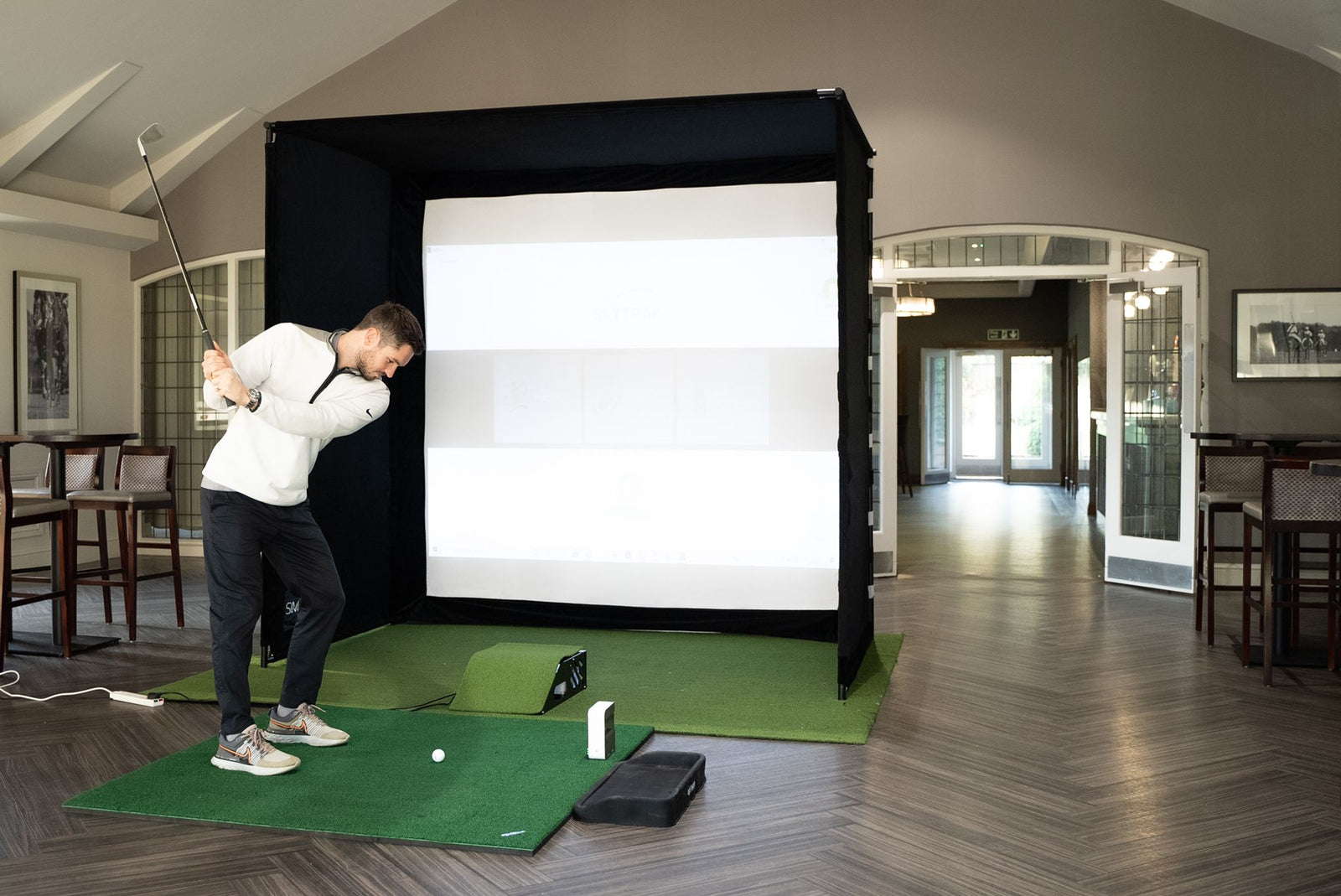
  • The Future of Home Golf: Why Golf Simulators Are Changing the Game

    The Future of Home Golf: Why Golf Simulators Are Changing the Game

    For decades, golf has been a sport that demanded time, good weather, and access to a quality course. While nothing can replace the feeling of walking down the fairway on a sunny afternoon, technology has made it easier than ever to practice and enjoy the game without stepping foot outside.

    At the heart of this evolution are golf simulators, which are transforming how players train, entertain, and even compete.

    With more high-quality golf simulators for sale than ever before, the barriers to entry have lowered, making this technology accessible to players worldwide.

    Why Golf Simulators Are Growing in Popularity

    There are several reasons golfers are turning to simulators at home and in commercial spaces:

    • Weatherproof Golfing – No more cancellations due to rain, wind, or snow.
    • Time Efficiency – Play a full round in under an hour.
    • Convenience – Practice from the comfort of home.
    • Real-Time Feedback – Get instant swing and ball flight data.
    • Entertainment Value – Play with friends, family, or compete online.

    The Training Benefits of a Golf Simulator

    Simulators are more than just entertainment—they’re powerful training tools. Advanced tracking systems provide accurate data to improve your game:

    • Swing Path & Clubface Angles – Spot subtle mistakes in your mechanics.
    • Ball Flight Analysis – Understand fades, draws, and spin rates.
    • Distance Control – Dial in your wedges and irons with precision.

    Even professional golfers integrate simulator sessions into their routines, proving their value as serious training equipment.

    Home Golf Simulators: Key Buying Considerations

    If you’re browsing golf simulators for sale, here’s what to keep in mind:

    1. Space Requirements

    Most setups need at least 9–10 feet of ceiling height and enough width and depth for safe swings.

    2. Accuracy & Technology

    Look for radar or photometric tracking systems for reliable performance.

    3. Software & Courses

    Choose simulators that offer realistic graphics and access to world-famous courses like Pebble Beach or St. Andrews.

    4. Budget Options

    • Entry-Level – Affordable, portable options for casual players.
    • Mid-Tier – More accuracy, better graphics, and additional course packages.
    • High-End – Professional-grade setups for ultimate realism and performance.

    5. Portability vs. Permanent Setup

    Decide whether you want a foldable, movable system or a dedicated installation.

    The Social Side of Simulators

    Beyond practice, golf simulators are perfect for fun and social experiences:

    • Family Fun – Engaging for golfers and non-golfers alike.
    • Events & Gatherings – Host competitions and friendly games.
    • Corporate Spaces – Impress clients or boost employee engagement.

    This makes simulators both training tools and lifestyle investments.

    The Investment Factor

    While costs can vary, simulators provide long-term value:

    • Save on green fees, travel, and range buckets.
    • Add property value with a premium entertainment feature.
    • Generate revenue in commercial venues by offering indoor golf experiences.

    With more golf simulators for sale at different price points, there’s an option for nearly every budget.

    The Future of Golf Is Hybrid

    Golf isn’t leaving the course—it’s evolving. Players are combining traditional outdoor rounds with tech-driven indoor practice.

    Simulators bridge this gap, keeping golfers active year-round and enhancing improvement.

    The growing availability of golf simulators for sale signals a digital transformation in the sport—one that blends passion, precision, and accessibility.

    Final Thoughts

    Golf has always been about more than sport—it’s about passion, precision, and community. Simulators capture all three, making the game more enjoyable and accessible for everyone.

    With advancing technology and increasing affordability, now is the perfect time to explore the range of golf simulators for sale. Whether your goal is lowering scores, creating memorable family nights, or investing in your business, a simulator can elevate how you play and experience the game.

  • Weight Loss For Golf: Your Guide

    Weight Loss For Golf: Your Guide

    Golf is a sport beloved by millions around the globe, with a rich history that stretches back to the 15th century. Known for its picturesque courses and the blend of physical and mental challenges it presents, golf has evolved into a pastime that transcends age and skill level. According to the National Golf Foundation, more than 123 million people in the United States alone played golf on a course or followed a tournament in 2023. This widespread popularity isn’t limited to professional athletes; many enthusiasts are amateur players who enjoy the sport for leisure, social interaction, and the joy of competition.

    However, as the world grapples with an increasing prevalence of obesity, a portion of the golfing population is inevitably affected. The World Health Organization reports that more than 1.9 billion adults were overweight in 2016, with over 650 million classified as obese. This statistic intersects significantly with the amateur golfing community, where players range widely in physical fitness. 

    So, does being overweight or obese impact your ability to enjoy and excel at golf? And if so, how can golfers address this issue to enhance their performance and overall health?

    Do You Need To Be Slim For Golf?

    golf and weight loss

    Contrary to the physical demands of sports like football or basketball, golf does not necessarily require its players to be exceptionally lean or muscular. Nevertheless, maintaining a healthy weight can provide significant advantages, including improved mobility, endurance, and swing mechanics. In recent years, notable professional golfers have publicly embarked on weight loss journeys for personal health and to enhance their game.

    Bryson DeChambeau, for instance, transformed his physique dramatically, albeit with a focus on gaining muscle rather than losing fat. DeChambeau’s approach involved a rigorous workout regime combined with a substantial increase in caloric intake to build muscle mass, which he believed would give him an edge in terms of power and distance. His transformation garnered widespread attention and demonstrated the impact of physical conditioning on performance. “I ate improperly for almost a year and a half and I was starting to feel weird,” said DeChambeau. “My gut was all messed up, so I went completely healthy, got a nutritionist, did blood work, measured stuff in my gut (micro) biome.”

    Phil Mickelson has taken a different approach. Mickelson, who has struggled with weight throughout his career, undertook a weight loss program that included a combination of fasting, a strict diet, and regular exercise. In an interview with Golf Digest, Mickelson admitted he lost 25 pounds, but shared that there were drawbacks. “I also lost muscle, so I had to start lifting, and I’ve been lifting and slowly have been getting my speed and strength back to where I need it to be.” His efforts resulted in significant weight loss and improved overall health and energy levels.

    These examples highlight that while being slim is not a prerequisite for success in golf, managing your weight can lead to better physical and mental performance on the course. The methods employed by these golfers underscore the variety of strategies available, each tailored to individual needs and goals.

    How You Can Slim Down For Golf

    For many golfers, particularly those who are significantly overweight or obese, the journey to weight loss can feel daunting. Just as golf provides handicaps to level the playing field, there are tools and strategies to give individuals a head start in their weight loss journey. One such tool is GLP-1 for weight loss, a treatment that has gained popularity for its effectiveness in managing obesity. GLP-1 (glucagon-like peptide-1) agonists regulate appetite and blood sugar levels, helping individuals reduce caloric intake and lose weight more efficiently. This can be an excellent starting point for those who need medical assistance to jumpstart their weight loss.

    Once a foundation has been established, golfers can turn to more traditional weight loss methods, integrating them into their routines to complement their love for the sport. 

    Here are some key strategies:

    Diet and Nutrition: Adopting a balanced diet rich in fruits, vegetables, lean proteins, and whole grains is crucial. Golfers should aim for a caloric intake that supports gradual weight loss while providing enough energy for physical activity. Staying hydrated and managing portion sizes are also essential components of a healthy diet.

    Regular Exercise: Regular physical activity is vital for weight loss and overall fitness. Golfers can benefit from a mix of cardiovascular exercises, such as walking or jogging, and strength training to build muscle and enhance endurance. Many golf courses provide ample opportunities for walking, which can significantly contribute to daily physical activity goals.

    Swing-Specific Training: Engaging in exercises that improve golf-specific skills can help with weight loss and enhance performance. This includes flexibility exercises, core strengthening routines, and drills to improve swing mechanics. Programs designed by golf fitness experts can provide tailored workouts that address the sport’s unique physical demands.

    Mindfulness and Stress Management: Mental well-being is critical to weight loss. Techniques such as mindfulness, meditation, and yoga can reduce stress and improve focus, both on and off the course. Managing stress effectively can prevent emotional eating and promote a healthier lifestyle.

    Consistent Practice: Just as consistent practice is necessary to improve your golf game, regularity in weight loss efforts is key to success. Setting realistic goals, tracking progress, and maintaining a positive attitude are essential to a sustainable weight loss journey.

    Conclusion

    While being slim is not a strict requirement for playing golf, achieving and maintaining a healthy weight can enhance enjoyment and performance on the course. By utilizing medical interventions like GLP-1 agonists and traditional weight loss strategies, golfers can improve their health and skills simultaneously. Whether through professional athletes’ dedication or amateur enthusiasts’ commitment, the path to a healthier lifestyle is as varied and personalized as the game of golf itself.

  • Inside Phil Mickelson’s Training Routine and Diet

    Inside Phil Mickelson’s Training Routine and Diet

    Phil Mickelson, one of golf’s most iconic players, attributes much of his success to his rigorous training routine and disciplined diet. Here’s an inside look at how he stays in peak physical condition.

    Training Routine

    Phil Mickelson’s training routine is designed to enhance his strength, flexibility, and endurance. His daily regimen includes:

    ●    Warm-Up Exercises: Mickelson starts with dynamic stretching to prepare his muscles for the workout.
    ●    Strength Training: He focuses on building muscle strength with exercises like squats, deadlifts, and bench presses.
    ●    Cardio Workouts: To improve cardiovascular health, he incorporates running, cycling, and rowing into his routine.

    ●    Golf-Specific Drills: Mickelson practices various golf drills to refine his swing, putting, and overall technique.

    Diet Plan

    Mickelson follows a balanced diet that fuels his body and supports his training. His diet includes:

    ●    High Protein Intake: Lean meats, fish, and plant-based proteins help build and repair muscles.

    ●    Complex Carbohydrates: Whole grains, fruits, and vegetables provide sustained energy throughout the day.

    ●    Healthy Fats: Nuts, seeds, avocados, and olive oil support overall health and brain function.

    ●    Hydration: Mickelson ensures he stays hydrated by drinking plenty of water and electrolyte-rich drinks.

    Enhancing Fan Engagement

    Fans can stay updated on Mickelson’s latest achievements and training tips through digital platforms. Learn how to make a QR code online to create quick access links to exclusive Phil Mickelson content, including videos, interviews, and training tips.

    By following Mickelson’s training and diet routines, aspiring golfers can gain insights into achieving peak performance both on and off the course.

  • Most Common Pests on Golf Courses and How to Deal With Them

    Most Common Pests on Golf Courses and How to Deal With Them

    Maintaining a healthy golf course is not just a matter of aesthetics; it’s essential for ensuring the quality and playability of the golfing experience. A well-maintained course provides not only a beautiful and enjoyable environment for players but also contributes to the ecological balance of the area.

    However, the health and beauty of these courses are continually threatened by various pests. From insects to wildlife, these pests can cause significant damage to the turf, leading to poor playing conditions and a visually unappealing landscape.

    Understanding the impact of these pests and the damage they can cause is the first step toward effective management and control.

    Types of Common Pests on Golf Courses

    Ants

    These tiny insects are more than just a nuisance on the golf course. Certain species can cause significant damage, creating unsightly mounds on greens, fairways, and tees. These mounds disrupt the uniformity of the playing surface and can interfere with the roll of the golf ball.

    Ants

    Some ant species can harm the root systems of turfgrass, further compromising the health and appearance of the course.

    Grubs

    Grubs, the larvae of various beetles, are among the most destructive pests found on golf courses. They feed on the roots of turfgrass, leading to weakened plants and, eventually, large patches of dead grass.

    The presence of grubs also attracts other predators, such as birds and skunks, which can cause further damage as they dig up the turf to feed on the larvae.

    Moles

    While moles are not directly harmful to grass since they feed on insects like grubs, their tunneling behavior can wreak havoc on golf courses.

    Moles

    Their extensive underground networks can disrupt root systems and create uneven surfaces, making the turf difficult to maintain and play on. The raised ridges and mounds left by moles are not only unsightly but can also pose a hazard to players.

    Each of these pests presents unique challenges to maintaining the health and beauty of golf courses. Understanding their behavior and the specific types of damage they can cause is crucial for developing effective management strategies.

    The Impact of Pests on Golf Courses

    Physical Damage

    Pests can cause extensive physical damage to golf courses, significantly affecting their playability and appearance. For example, the burrowing actions of moles create uneven surfaces, posing a risk to players and making the course difficult to navigate.

    Grubs and ants damage the roots of turfgrass, leading to patches of dead or weakened grass that disrupt the uniformity of the playing surface. This damage not only affects the aesthetics of the course but also its functionality, making it less enjoyable for players.

    Economic Impact

    The financial implications of pest infestations on golf courses are considerable. The cost of pest control, including labor, pesticides, and equipment, can be substantial. Repairing the physical damage caused by pests, such as reseeding grass or repairing turf, adds to the financial burden.

    Golf courses may experience a loss of revenue due to decreased playability and the potential loss of members or customers seeking better-maintained facilities. The cumulative cost of managing pests and repairing damage underscores the economic impact pests have on golf courses.

    Environmental Considerations

    Beyond the immediate impact on golf courses, pests and the methods used to control them can have broader ecological consequences.

    The use of chemical pesticides, for instance, can lead to runoff that contaminates nearby water bodies, harming aquatic life and potentially affecting human health. Therefore, it’s crucial to consider environmentally friendly pest control methods that minimize harm to the surrounding ecosystem.

    Integrated Pest Management (IPM) strategies, which combine biological, cultural, physical, and chemical tools in a way that minimizes environmental and health risks, are increasingly important.

    Managing and Controlling Pests

    Preventive Measures

    Prevention is key to managing pests on golf courses. Effective turf management practices, such as selecting pest-resistant grass varieties, ensuring proper drainage, and maintaining optimal soil health, can reduce the likelihood of pest infestations.

    Habitat modification, such as removing standing water to discourage mosquitoes or managing waste to deter geese and other birds, can also be effective. Implementing these preventive measures can significantly reduce the presence of pests on golf courses.

    Chemical Control

    When pests do become a problem, chemical control methods may be necessary. However, it’s important to use these treatments judiciously and as part of an integrated pest management approach.

    Selecting environmentally safe pesticides and applying them in a targeted manner can help minimize the impact on non-target species and the surrounding environment. Timing and application methods are critical to maximize effectiveness while minimizing harm.

    environmentally safe pesticides

    Biological Control

    Introducing natural predators or parasites of common pests can provide long-term control with minimal environmental impact. For example, certain nematode species can be effective against grubs, while birds of prey can help manage rodent populations.

    Biological control methods can be an integral part of an IPM strategy, offering a sustainable solution to pest problems.

    Cultural Practices

    Adjusting mowing, watering, and fertilization practices can influence pest activity on golf courses. For instance, maintaining the appropriate grass height can discourage pests such as geese, which prefer shorter grass.

    Proper watering practices can help prevent the establishment of pest-friendly environments, and judicious fertilization can promote healthy turfgrass that is more resistant to pests. These cultural practices are essential components of a comprehensive pest management plan.

    By understanding the impact of pests and implementing a multifaceted approach to management and control, golf course superintendents can maintain healthy, playable, and aesthetically pleasing courses.

    Repairing Damage Caused by Pests

    Restoration Techniques

    Once pests have damaged a golf course, effective restoration is crucial to return the turf to its optimal condition.

    Reseeding is a common method for repairing small patches of damaged grass. Selecting the right seed mix that matches the existing turf and conditions can ensure a uniform appearance and resilience against future pest attacks.

    Sodding is another effective technique for immediate results, particularly in areas of severe damage where quick restoration is desired. It involves laying pre-grown turf over prepared soil, which then knits together with the existing grass.

    Restoration Techniques

    Aeration is also essential in the restoration process, as it improves soil structure, enhances root penetration, and facilitates the efficient absorption of water and nutrients. This process involves creating small holes in the turf to allow air, water, and nutrients to reach the grass roots, helping to revitalize weakened or damaged areas.

    Long-Term Health

    Ensuring the long-term health and resilience of golf course turf requires ongoing attention and care. Implementing a regular maintenance schedule that includes proper mowing, watering, and fertilization is key.

    Using practices tailored to the specific needs of the turf and local climate conditions can significantly enhance the grass’s resilience to pests and diseases.

    Monitoring the course regularly for signs of pest activity allows for early intervention, preventing minor issues from becoming major infestations.

    Encouraging biodiversity on the course can also promote a more balanced ecosystem, which naturally helps to control pest populations.

    Encouraging biodiversity

    Final Remarks

    The importance of integrated pest management (IPM) on golf courses cannot be overstated.

    By combining preventive measures, chemical controls, biological interventions, and cultural practices, golf course superintendents can effectively manage pest populations, minimize damage, and maintain high-quality turf.

    This holistic approach not only addresses immediate pest control needs but also promotes the long-term health and sustainability of the golf course environment.

    Ongoing education and professional consultation play a crucial role in the successful implementation of IPM strategies.

    Staying informed about the latest pest control techniques, products, and environmental considerations ensures that golf course maintenance professionals can make informed decisions that benefit both the course and the surrounding ecosystem.

  • What Is Golf Handicap and How You Can Calculate It

    What Is Golf Handicap and How You Can Calculate It

    A golf handicap is a numerical measure that represents a golfer’s potential playing ability based on the tees played for a given course. It’s a crucial element in the game of golf, allowing players of varying skill levels to compete on a level playing field.

    Essentially, a handicap system makes the game fair and competitive by adjusting each player’s score to reflect their ability, enabling golfers with different levels of experience and skill to compete against each other in a balanced manner.

    Understanding Golf Handicap

    The golf handicap is designed to reflect a golfer’s potential ability by taking into account their past performance, particularly their best scores. It’s a dynamic figure that can change with every round played, intended to provide an equitable basis for competition.

    Historically, the concept of a golf handicap dates back to the 20th century, evolving significantly over the years. The system was standardized to ensure consistency across different regions and golf courses.

    The introduction of the World Handicap System (WHS) in 2020 marked a significant milestone, unifying six different handicap systems into a single global standard, making it easier for golfers to play and compete anywhere in the world.

    How to Calculate Your Golf Handicap

    Calculating a golf handicap under the World Handicap System (WHS) involves several key components:

    • Handicap Index: A measure of a player’s demonstrated ability calculated against the Slope Rating of a golf course of standard playing difficulty.
    • Course Rating: Indicates the difficulty of a golf course for a scratch golfer under normal course and weather conditions.
    • Slope Rating: Measures the relative difficulty of a course for bogey golfers compared to scratch golfers.

    To calculate your Handicap Index under the WHS, you would start by taking a minimum of your best 8 scores from the most recent 20 rounds.

    Calculate Golf Handicap

    Then, adjust these scores based on the difficulty of the courses played, using the Course and Slope Ratings. This adjusted figure is then averaged to produce your Handicap Index.

    Here’s a simplified step-by-step guide to give you an idea of the calculation process:

    • Record your scores: Keep track of your scores from at least 20 rounds.
    • Adjust for course difficulty: Use the Course and Slope Ratings to adjust your scores.
    • Select your best scores: Choose the 8 best adjusted scores.
    • Calculate the average: Find the average of these scores.
    • Apply the handicap formula: The average is then multiplied by a predetermined factor (usually 0.96) to calculate your Handicap Index.

    This formula and process have been designed to be fair and equitable, allowing golfers of all levels to gauge their improvement over time and compete on an even footing, regardless of the course.

    High Handicappers

    Definition and Range: High handicappers are golfers with a higher handicap, typically indicating that they are less experienced or skilled. In the golfing community, high handicappers often have a handicap index of 20 and above. This range signifies that, on average, these golfers shoot 20 strokes over par or more.

    Challenges and Tips for Improvement: High handicappers typically struggle with consistency, distance, and accuracy. To improve, focusing on fundamentals like grip, stance, and swing mechanics is crucial.

    Taking lessons from a golf professional, practicing regularly, particularly on weak areas, and playing with better golfers to learn from their techniques can also be beneficial. Additionally, using equipment suited to their skill level can help in making the game more enjoyable and reducing scores.

    Drivers for Beginners and High Handicappers

    Importance of the Right Driver: For beginners and high handicappers, selecting the right driver is crucial for game improvement. The correct driver can help in achieving more distance and accuracy off the tee, making the game more enjoyable and potentially lowering scores.

    Features to Look For:

    • Forgiveness: Drivers with a large sweet spot can reduce the impact of off-center hits, making them more forgiving.
    • Adjustability: Some drivers offer adjustable features like loft and lie angles, as well as weights that can be moved to manage ball flight and biases.

    Recommended Drivers:

    Drivers that are often recommended for beginners and high handicappers include models known for their forgiveness and adjustability.

    While specific models and brands continuously evolve, looking for the latest drivers from reputable brands with these features is advisable. Brands like TaylorMade, Callaway, and Ping often design drivers with high handicappers in mind.

    Wrapping Up

    Understanding and calculating your golf handicap is a pivotal part of the game that aids in personal improvement and ensures fair competition. It provides a benchmark for tracking progre