Blog

  • Why Are Ping Eye 2 Irons Illegal? (Explained)

    Why Are Ping Eye 2 Irons Illegal? (Explained)


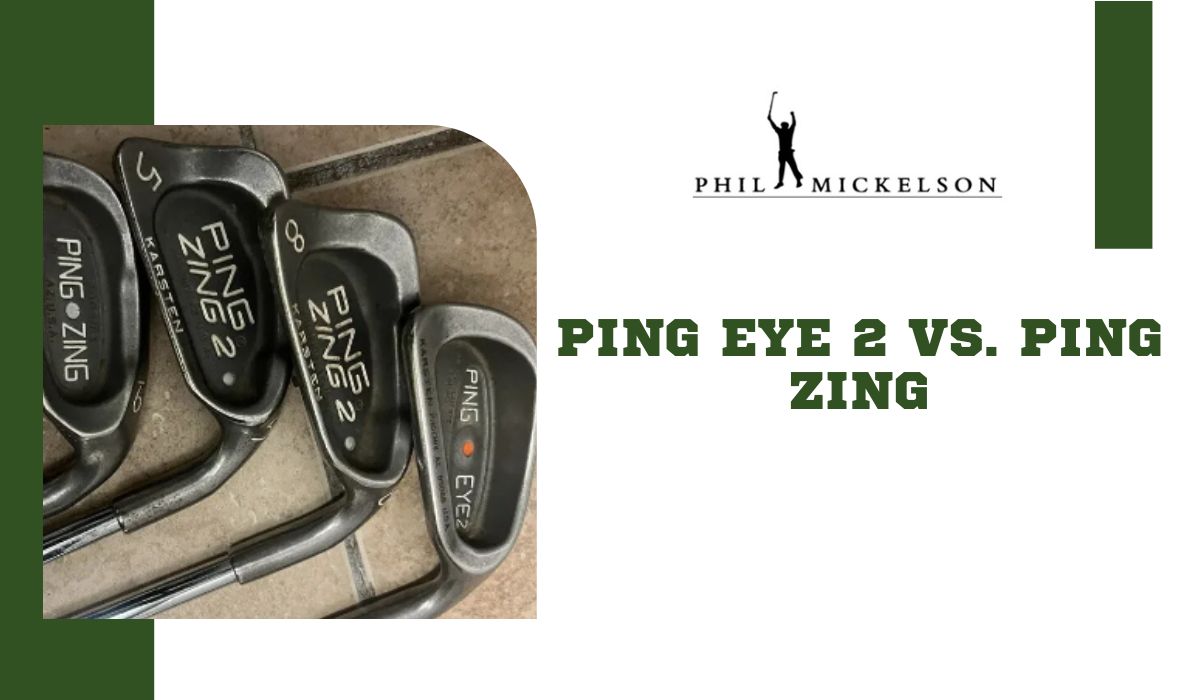
    Ping Eye 2 Irons are illegal because they are designed with square grooves, which doesn’t conform with the United States Golf Association (USGA) and R&A rules, as it gives players an unfair advantage of excessive spin on the golf ball. However, Ping Eye 2 irons manufactured after April 1990 without the square or U-shaped groove pattern are not illegal.


    If you’re a lover of vintage clubs, you’ve probably heard about the Ping Eye 2 irons, which had groove controversy and lawsuit issues in the 80s—when they were newly manufactured. If you plan to use these old clubs, you need to know which of their product lines are legal for competitive games and which have been grandfathered.


    In the rest of this article, you will learn why the Ping Eye 2 irons were banned and other relevant details you should know if you plan to start using this set of clubs. Before diving fully, look at the key areas of the Ping Eye 2 irons construction.

    Ping Eye 2: Iron Construction


    When the Ping Eye 2 irons rolled out first in 1982, they became famous for their extreme perimeter weighting, such that the clubs resist twisting at impact for increased forgiveness.


    Here is a short table showing the key features of Ping Eye’s two irons:


    Shaft Options Ping JZ series steel, Ping 350 Series graphite
    Groove Design V-shaped (1982), U-shaped (1984–1985), box groove (1986 onwards)
    Club Head Design Offset and Cavity Back
    Special Design Extreme-Perimeter Weighting
    Forgiveness Enhanced by Perimeter Weighting and Offset Design
    Game Improvement Emphasizes speed and forgiveness
    Sole Design Patented design with a top rail undercut
    Material Tungsten (for increased perimeter weighting)

    So What Makes the Ping Eye 2 Iron Illegal?

    The main point of contention revolves around the grooves on the Ping Eye 2 iron clubface.


    Unlike most golf clubs with round grooves, the Ping Eye 2 irons stand out with their square or U-shaped grooves. The issue, as flagged by the USGA, is that these grooves can make the golf ball spin more than clubs with round tracks. 


    Why does this matter? The extra spin can give players an unfair advantage, especially in tricky situations like wet or long grass, where clubs with round grooves might struggle.


    The USGA argued that the unique groove design of the Ping Eye 2 irons allows players to have better control over the ball’s flight and landing.


    This provides an edge that goes against the fair play principles in golf.

    What’s wrong with the Square Grooves design of Ping Eye 2 that makes it illegal?


    Square or “U” grooves in golf clubs caused a stir due to debates about how they improve players’ games (in the wrong way).


    The PGA Tour briefly banned them, not for being inherently illegal but because of a rule indirectly affecting the clubs.


    This groove’s shape, depth, and spacing go against the stipulations of the USGA.


    People argue whether square grooves give golfers an advantage; some studies say no, while others claim a slight boost in spin rates from rough terrain.


    The controversy peaked when Ping Eye-2 irons, with square grooves, were banned for supposedly aiding golfers too much. Despite this, the 40-year-old Ping wedge stayed legal after a successful lawsuit against the USGA in 1990, making all square-headed clubs okay.


    However, the golf governing bodies, the USGA and R&A, said square or “U” grooves are illegal in PGA tournaments.


    So, the beloved square grooves were replaced with less effective V-shaped grooves, changing equipment rules significantly.

    Is there a penalty for using non-conforming Ping Eye 2 irons in competitive play?

    Using the wrong Ping Eye 2 irons in a competition can lead to penalties or getting kicked out.


    The punishment depends on the event rules, but usually, players get a two-stroke penalty for each hole played with the non-approved club.


    This adds up quickly, affecting their overall score and position in the competition.


    In more severe cases, players may be disqualified from the event entirely.


    So, if you’re playing a not recreational game, ensure that you double-check that your gear follows the competition’s guidelines.

    How to Identify Non-Conforming Irons


    All Ping Eye-2 irons are legal now, but you must distinguish between old and new ones. The older ones are okay because of a particular rule, while the newer ones got changed to follow the rules.


    To tell the difference, check the patent number. It might have once-illegal grooves if you don’t see a bump or plus sign.


    For more details, this is a handy list by the USGA that tells you what golf gear is legal or not.


    It covers balls and drivers and gives guidance on clubs and balls.

    What Year Did They Stop Making Ping Eye 2?


    The original Ping Eye 2 irons were made until March 1990, but Ping kept making a slightly updated version after that.


    People argue about the exact date when they stopped, but there are indications that all Ping Eye 2 irons, no matter the grind version, stopped being made around 1985.

    Can You Still Play Ping Eye 2 Irons?

    Yes! People still use Ping Eye 2 irons. If the irons were made before 1990, they are allowed in most golf tournaments, following rules from organizations like the USGA.


    The catch is that the irons might not be allowed in some tournaments, mainly due to rules set by the USGA.


    But for most casual and amateur games, Ping Eye 2 irons are still good to go. Some professional events also permit them, depending on the specific model and when they were made.


    Despite occasional debates about the design, these irons are still popular among golfers.


    Their unique style and history make them stand out.


    So, while there might be some restrictions in specific tournaments, Ping Eye 2 irons remain a favourite choice for many golfers. Unfortunately, you can only get them second-hand.

    Why does Ping Eye 2 sell for so much?


    Ping Eye 2 golf clubs are pricey when resold because they’re considered timeless and good to play with.


    People want them, so there’s a high demand. This is why all used clubs, not just Ping Eye 2, cost a lot now—it’s essential supply and demand.


    Even if you look for other 5-7-year-olds and in good shape clubs, you’ll find them selling for $700–$800 for a set.


    The Ping Eye 2 stands out because it has a unique “illegal groove pattern,” which generally would be a problem, but it got an exemption until 2024, making it even more special and valuable.

    Key Takeaways


    • The Ping Eye 2 clubs come in different versions. The early ones (1982–1984) have ‘V’ grooves; the next ones have square grooves, and later models feature ‘U’ grooves.
    • Ping Eye 2 Irons are illegal because they are designed with square grooves, which doesn’t conform with the United States Golf Association (USGA) and R&A rules.
    • Ping Eye 2 irons manufactured after April 1990 without the square or U-shaped groove pattern are not illegal.
    • These clubs might not give you as much distance as modern irons because newer irons use better technology with stronger lofts and improved materials, leading to faster ball speeds and more space.
    • Even though Ping Eye 2 irons are considered non-conforming for official competitions, you can still use them for fun and casual play.


    I hope you found this helpful.


  • Ping Eye 2: Iron Specs (All You Need to Know)

    Ping Eye 2: Iron Specs (All You Need to Know)


    The Ping Eye 2 is a 1 to 9 iron with PW, SW, and LW. The loft angle is between 16 and 61°, while the Lie angle is between 58 and 64.5°. While the Ping Eye 2 irons are old clubs, they produce ridiculously high launch angles, which makes them still relevant today for players who struggle to get adequate apex height.


    Many people say that Ping Eye 2 is a fantastic club. I remember playing them in high school in the 80s when they were new clubs. The Ping brand sold them exclusively for many years after they were out of the market.


    The club design itself is still relevant today. The only issue is that it doesn’t have modern lofts, so you won’t hit them as far. This is why many people want to know the value of these clubs before buying them. An excellent place to start is by looking at the specs of this iron.


    In the rest of this article, you will learn about the Ping Eye 2 iron specifications, details about the club head design, loft options, club length, shaft options, and grip features. We will also look into other information about this 4-decade-old club to help you determine if it’s a good fit for you.

    Ping Eye 2 Iron Specifications


    One notable detail of the Ping Eye two-iron specifications is the cavity-back clubhead. However, there have been arguments as to how adaptable the loft options are.


    Meanwhile, the Ping Eye 2 Sand Wedge Loft has strong efficacy in chip shots, bunker shots, and delicate shots around the greens. Here are the specs of this iron:


    Shaft Options Ping JZ series steel, Ping 350 series graphite
    Groove Design V-shaped (1982), U-shaped (1984–1985), box groove (1986 onwards)
    Club Head Design Offset and Cavity Back
    Special Design Extreme-Perimeter Weighting
    Forgiveness Enhanced by Perimeter Weighting and Offset Design
    Game Improvement Emphasizes speed and forgiveness
    Sole Design Patented design with a top rail undercut
    Material Tungsten (for increased perimeter weighting)


    Iron Loft (°) Lie (°) Length (“)
    1 16 58 39.75
    2 18.5 58.50 39.25
    3 21.5 59.50 38.75
    4 25 60 38.25
    5 28.5 61 37.75
    6 32 61.50 37.25
    7 36 62.50 36.75
    8 40 63 36.25
    9 45 64 35.75
    PW 50.5 35.5
    SW 57.5 35.25
    LW 61 35


    The Ping Eye 2 Sand Wedge (SW) Design Specs


    Among the lines of the Ping Eye 2, the sand wedge has gained more attention because it excels in chip shots, sand traps, and delicate greenside maneuvers.


    The higher loft of the sand wedge empowers players to achieve greater ball height and precise trajectory control, particularly in challenging bunker scenarios.


    Here are the specs of this iron:


    Face Cavity back
    Head material Beryllium Copper
    Grooves U Grooves
    Forgiveness Very forgiving
    Distance Decent
    Feel Buttery
    Shaft options Ping Color Code
    Shaft length 35.5 inches
    Swingweight D8
    Loft 57.5°
    Lie Angle 64.5°


    Ping Eye 2 Clubhead Design Specs


    The Ping Eye 2 iron clubhead has a unique design with a hollow part at the back, making it forgiving and accurate even if you don’t hit the ball perfectly in the center.


    • This design also shifts weight around, making the “sweet spot” bigger and reducing the impact of not-so-great hits.
    • The smaller clubhead size helps you control your shots better, making it great for trying different types of images.

    Ping Eye 2: Iron Loft Options

    These irons come in different loft options, from short wedges to long irons, so players of all skill levels can find what works for them.


    The Ping Eye 2 Sand Wedge, for example, is carefully designed for shots around the green, with a loft that makes it easier to control the height and direction of the ball, especially in tricky sand situations.

    Ping Eye 2 Club Length Specs


    The length of the clubs in the Ping Eye 2 set is consistent, so when you switch from one club to another, it feels the same.


    This helps you keep a consistent feel and swing throughout your entire set of irons. The Ping Eye 2 is a 1 to 9 iron with PW, SW, and LW.

    Are the Ping Eye 2 Irons worth it?


    The Ping Eye 2 irons are 42 years old. Back in the day, they were fantastic, but technology has come a long way since then. They can still hit a golf ball, but the question is whether their nostalgia is worth it.


    I used a hand-me-down set of Eye 2s from 1995 to 2003, and I loved them.


    However, I wouldn’t pay $190 for them today, which is the average price they are being sold for currently, especially without confirming if they’re fitted to my swing type.


    For the same price, you could find a used set from this decade that’s more forgiving of different types of swings.


    Say you’re a golfer who usually breaks 100 on a good day, and you’re not expecting these clubs to work miracles for your game. In that case, it’s worth considering if the vintage charm is worth sacrificing some modern performance.


    Ping Eye 2 Irons Pros and Cons


    One of the significant benefits of the Ping Eye 2 that has always caught my attention is that you can outfit these irons with graphite shafts as well as the original steel shafts.


    However, I also observed that these irons have ridiculously weak lofts, which give them incredibly high launch angles.

    Here are the pros and cons of the Ping Eye 2 to consider if you plan to use them:

    Pros:


    • They have a soft feel.
    • Very durable construction
    • They produce effortless and very high apex height.
    • The dot-lie system
    • They are perimeter-weighted.
    • Stainless steel construction

    Cons:

    • The Ping Eye 2’s are dated in terms of manufacturing and features.
    • Narrow soles
    • Minimal distance
    • They are no longer in circulation and are slightly expensive.

    Comparing Ping Eye 2 specs with newer clubs


    Even though newer clubs tend to have lower loft angles than older ones, like the Ping Eye 2, the loft angle is just one part of the picture. The design of the club, the shaft, and how you swing all matter. It’s a good idea to try out different clubs and find what feels right for you.


    Back in the day, the Ping Eye 2 had standard loft angles, but today’s clubs are a bit different.


    These days, newer clubs generally have what we call “stronger lofts,” meaning the loft angles are lower.


    They designed them this way to help golfers hit the ball farther.


    For instance, a modern 7-iron might have a loft angle of 30 degrees, while the Ping Eye 2 7-iron had a loft angle of 34 degrees.


    The loft angle isn’t the only thing affecting how far the ball goes. The design of the club head, the type of shaft, and how you swing the club also play roles.


    Surprisingly, some new clubs with lower loft angles might not actually make the ball go farther than the older ones because of differences in how they’re made.


    A good example is the 7-iron in the PGM set, which features a loft angle of 29 degrees, whereas the Ping Eye 2 7-iron has a loft angle of 34 degrees.


    The PGM irons prioritize a sleek, aerodynamic clubhead design, assuming that it would translate into increased distance.


    Sadly, due to the trade-offs made in the pursuit of speed, the forgiveness and ball control aspects are compromised, based on my experience with the club.

    Who Should Use the Ping Eye 2 Irons?


    The Ping Eye 2 irons might be old, but they’re still great for high handicappers.


    Despite being outdated in terms of manufacturing and features, they are super forgiving, just like modern game-improvement irons.


    One cool thing about them is that they launch the ball really high, which is helpful for players struggling with getting the ball up in the air.


    Even though they’re kind of like a blast from the past, their forgiveness and ease of use make them a solid choice after all these years.


    I got a set last September for $425 and have broken 90 twice with them. They might not hit as far as newer clubs, but if you’re a beginner, that won’t matter much.


    The Ping Eye 2 irons continue to perform well and are a good investment, especially considering their affordability compared to more recent models.


  • Do Scores Reset After the Cut?

    Do Scores Reset After the Cut?

    No, golf scores do not reset after the cut. After the cut is made in a golf tournament, players who qualify continue to carry forward their scores from the previous rounds into the remaining rounds of the competition. The player with the lowest total score at the end of the tournament is declared the winner.

    Understanding the cut rules adds strategy and significance to a golf tournament. The cut is usually made after the first two rounds, with only a certain number of players advancing based on their scores. This ensures intense competition, involving only those with a realistic chance of contending for the title. Every stroke becomes crucial as players strive to cut, making the early rounds pivotal in shaping the showdown. It also keeps the tournament exciting by focusing on the top-performing golfers.

    In this article, you will learn about the cut rules to fully understand the answer to the question: do scores reset after the cut?

    What is the cut rule in the PGA?

    In regular PGA Tour tournaments, the cut rule determines which golfers continue playing after a certain number of holes. After 36 holes, the field is trimmed to the lowest 70 scores and ties. If this results in more than 78 golfers making the cut, a second cut occurs after 54 holes, again selecting the low 70 scores plus ties.

    PGA Tour events consist of 72 holes played over four days. The 36-hole cut happens after the second round, usually on Friday. This means that after the second round, there will be around 154 golfers, but only about 70 will continue into the third round.

    Golfers who don’t cut are said to have “missed the cut,” while those who continue have “cut.” Typically, the first cut to the lowest 70 scores is sufficient, and the second cut is rarely needed, occurring only in a few tournaments each year on the PGA Tour. Other tours don’t use the second-cut rule.

    According to a post by ESPN, starting this year, 2024, the PGA Tour will introduce notable changes to its cut rule in response to competitive challenges, particularly from the LIV Golf League.

    Eight designated tournaments will now have smaller fields of 70 to 80 players, removing the cut rule for these events. This change is intended to guarantee significant prize money, eliminate cuts, and motivate top players by awarding FedEx Cup points, resulting in a more exciting and competitive atmosphere.

    What is the Master Cut Rule?

    In the Masters Tournament, scores don’t start over after the cut. Players get stuck with them throughout the golf event, which usually has 72 holes, like in major tournaments such as the PGA. The cut happens after two rounds, and players who match a specific score get to play in the last two rounds, avoiding elimination.

    During the first two days, players are grouped randomly or based on their fan bases for media attention. But after the cut, players who made it through are grouped based on their scores. Usually, the top 50 players and those with similar scores continue to the last round while the rest are out.

    In the third and fourth rounds, players are paired based on their standings, with the lower-scoring players going first in the morning, gradually moving up the leaderboard. The scores from day three also affect how players are paired in the final round.

    Resetting scores after the cut wouldn’t make sense because scores are crucial for pairing players in the later rounds. The cut is generally within ten strokes of the leader unless someone is way ahead after two rounds. Everyone within ten strokes still has a chance to make an impact with a strong weekend. Simply put, scores keep adding up.

    Players who don’t cut are out of the tournament, while those who do continue to play on Saturday and Sunday. At the end of all four days, the player with the lowest total score wins the tournament.

    How Does the Master’s Scoring Work?

    Understanding how scores work in the Masters Tournament is crucial to figuring out which players move forward. In golf, a course has 18 holes, each with a par rating of 3, 4, or 5. The total par for the entire course usually ranges from 70 to 72. A player’s score starts at level par on the first tee and serves as their running total throughout the game.

    If a player finishes a hole with a par score, like three strokes on a par 3, their running total stays the same. Going under par on a hole means subtracting that score from the overall total, while going over par adds to the running total. The goal is to finish the game with as few strokes as possible, aiming to be under par.

    At the Masters Tournament, players are ranked after two rounds based on this scoring system. The top 50 scores and ties then move on to the next rounds, with the overall scores used on the last day to determine the winner. Players who don’t cut have to withdraw from the tournament. With its focus on being under par, this scoring system is a distinctive feature of the Masters Tournament.

    How many golfers cut?

    Typically, in a golf tournament, the cut is set to include around 70 golfers who perform the best in the initial rounds.

    However, not cutting doesn’t signify the end of a golfer’s career; it’s a shared experience even for the top players. Take Tiger Woods, a golf legend who, despite his immense success, missed the cut 20 times from 1999 to 2019.

    The cut is a crucial part of tournaments, ensuring that only the top-performing players advance to the later stages. It adds an element of competition and challenges even the most skilled golfers. This system encourages consistency and excellence throughout the tournament.

    Do players who miss the cut get paid?

    Players only get paid if they make the cut in many professional golf tours, like the PGA Tour and DP World Tour. Usually, the top 65 players (and ties) in regular events make it to the final rounds and earn money, while the others get nothing. This system helps focus the competition on the weekend, ensuring that only those with a real chance of winning continue to play.

    However, there are some exceptions, especially in major tournaments where the number of players cutting varies slightly. For instance, it’s the top 50 at the Masters, the top 70 at the PGA Championship and the Open, and the top 60 at the US Open. Interestingly, even those who miss the cut in Majors get paid, perhaps as a small reward for qualifying for one of golf’s most significant events.

    In some recent Majors, players who missed the cut received $4,000 at the 2023 PGA Championship, $10,000 at the 2023 Masters, varied amounts at the 2022 Open Championship, and $10,000 at the 2022 US Open.

    Conclusion

    To truly understand the dynamics of a golf tournament, it’s essential to realize that golf scores aren’t reset after the cut. The cut rule, intended to ensure that only the top-performing players move on to the later stages, adds excitement to the event and contributes to its overall competitiveness and thrill.

    So, next time you watch a golf tournament, knowing about the cut rule will enhance your understanding of how players navigate each round to claim victory ultimately.

  • What percentage of PGA players never win?

    What percentage of PGA players never win?

    Approximately 90% of PGA players participating in the PGA Tour never win. Although pinpointing this exact percentage is challenging, roughly only 10% of players will achieve victory at least once on the PGA Tour.

    Securing a victory on the PGA Tour is a significant challenge in the professional golf arena. Players holding a PGA Tour card are pitted against the top golfers globally, making it a tough competition.

    Earning a PGA Tour title is no walk in the park due to the high level of competition. Some players can have successful careers without clinching a victory, while others may win multiple events and secure lifelong membership.

    In this article, I will shed light on the percentage of PGA players who never win a tournament but are still shockingly doing well in their careers.

    Who are the most successful PGA players without a PGA win?

    As stated earlier, 90% of PGA players participate in the tour but never win. Here, I’ll list some top players you might already know and probably look up to who have never won a PGA tour.

    1. Brett Quigley

    Brett Quigley, a professional golfer, has an extensive career playing on both the PGA Tour and the PGA Tour Champions. Despite participating in most PGA Tour events without securing a victory and making 408 starts, he has consistently cut over 50% of the time and achieved five runner-up finishes.

    While he hasn’t won a PGA Tour event, Quigley has found success on the Champions Tour, winning the Morocco Champions in 2020 and the Constellation Furyk & Friends in 2023. In his lengthy and prosperous career, he has earned over $14 million and notched 39 top-10 finishes on the PGA Tour. Additionally, he has been a reliable performer on the Champions Tour, winning multiple times and finishing in the top 10 in the Charles Schwab Cup standings on numerous occasions.

    Quigley’s best showing in a major championship was a tie for 8th at the 2005 PGA Championship. He also contributed to the United States Ryder Cup team, being part of the winning team in 2006.

    1. Brian Davis

    Brian Davis, a former professional golfer from England, played on the PGA Tour from 2004 to 2021. Despite a successful career, he didn’t secure a win in any PGA Tour event.

    Davis won two international tournaments: the 2000 Peugeot Open de Espana and the 2004 ANZ Championship on the European Tour. He also achieved multiple top-10 PGA Tour finishes and earned over $13 million.

    In 2010, Davis was in a playoff with Jim Furyk at the Verizon Heritage tournament. In an honorable move, he called a penalty on himself for accidentally moving something in a hazard, resulting in a two-stroke penalty that cost him the tournament.

    After retiring from professional golf, Davis became a golf coach and commentator.

    1. Brendon de Jonge

    Brendon de Jonge, a professional golfer from Zimbabwe, has been on the PGA Tour for quite a while. Although he hasn’t won a PGA Tour event, he secured a victory in the Xerox Classic on the Korn Ferry Tour in 2008.

    Throughout his career, de Jonge came close to winning, with a notable runner-up finish in the 2014 McGladrey Classic, where he lost in a playoff. He also achieved numerous top-10 finishes in PGA Tour events, with seven in 2010 being his most successful year.

    In major championships, de Jonge’s best performances include a tie for 26th at the 2011 PGA Championship, a tie for 28th at the 2014 U.S. Open, and a tie for 37th at the 2014 Masters Tournament. 2008, he was recognized as the Nationwide Tour Player of the Year.

    Despite not claiming a victory on the PGA Tour, de Jonge has had a successful career, earning over $12 million in prize money and maintaining consistent performance on the tour for many years.

    1. Cameron Tringale

    Cameron Tringale is a professional golfer from the United States. He was part of the PGA Tour from 2010 until 2022, when he left and joined LIV Golf. His only professional win was in a team event at the Franklin Templeton Shootout 2014. Despite being consistent on the PGA Tour, he never won an individual event, a record for the highest career earnings on the tour without a win.

    Tringale’s best finishes in major championships include T14 at the 2022 U.S. Open and T26 at the 2021 Open Championship. He also finished runner-up at the 2015 Zurich Classic in New Orleans.

    Even though Tringale hasn’t won an individual event on the PGA Tour, his steady performances have earned him respect as a reliable player.

    1. Jeff Overton

    Jeff Overton, a former American professional golfer, played on the PGA Tour from 2005 to 2017. Despite not winning a PGA Tour event, he had a successful career, coming close to victory at the 2010 Greenbrier Classic. He held a three-shot lead after 54 holes but was surpassed by Stuart Appleby’s remarkable 4th round score of 59, securing his 9th PGA Tour win. After this event, Overton entered the top 50 of the Official World Golf Ranking.

    In 2017, Overton faced a turning point in his career. A procedure meant to help a herniated disc resulted in a life-threatening infection in his spine, leading to emergency surgery. After overcoming the illness, he returned to the PGA Tour at the 3M Open in 2022. Although he didn’t win, he made notable shots and cherished moments with his family, including his wife and two daughters.

    Despite not clinching a PGA Tour victory, Overton had a prosperous career, making nearly 300 starts and earning over $12 million in on-course earnings. He also contributed two points to the 2010 Ryder Cup at Celtic Manor.

    1. David Hearn

    David Hearn is a professional golfer from Canada who has been on the PGA Tour since 2004. He has had a successful career with two wins in professional golf, one on the Nationwide Tour and another on the Canadian Tour. However, he has not yet secured a victory in a PGA Tour event.

    Hearn has been close to winning a PGA Tour event multiple times. In 2015, he finished tied for second at the Greenbrier Classic, losing in a playoff to Danny Lee. Another notable finish was a tie for third place at the 2016 RBC Canadian Open. Despite these near victories, Hearn has not won a PGA Tour event.

    1. Brandt Jobe

    Brandt Jobe is a professional golfer who has played on the PGA, Nationwide, and Champions. While he hasn’t won a PGA Tour event, he has achieved success in various tournaments.

    Jobe’s notable victories include the 1996 Nike Louisiana Open, the 2003 Permian Basin Open, and the 2019 Boeing Classic. He also won at the 2017 Principal Charity Classic on the Champions Tour.

    Despite not clinching a victory on the PGA Tour, Jobe has had a prosperous career as a professional golfer, earning over $10 million in total career earnings. He has also finished three times in the top 25 of the PGA Tour money list.

    Who Has the Best Winning Percentage in PGA Tour History?

    Tiger Woods holds the record for the best winning percentage in PGA history, winning 22% of the ranking tournaments he played. This means he emerged victorious in 93 out of 421 tournaments, winning approximately one game for every five starts. His remarkable achievement highlights his dominance in golf.

    Tiger Woods shares the highest number of PGA Tour victories (82) with Sam Snead, including 15 major championships.

    Currently, Rory McIlroy, the world number one, has a success rate of 8.3%, winning 31 out of 372 ranking tournaments. While not as high as Woods’ record, it still showcases McIlroy’s impressive skill and consistency on the golf course.

    Considered one of the greatest golfers, Jack Nicklaus, the all-time major champion, has a winning rate of 12.5%. Over his 30-year career, Nicklaus cut 85% of tournaments and finished as a runner-up 58 times.

    Do PGA players get paid if they don’t win?

    PGA players receive payment only if they cut into two rounds in a tournament. The cut is a set point that determines which players continue to the final rounds. The top 65 players and ties who cut earn money among regular PGA Tour events, while the rest receive nothing.

    However, there are exceptions, and some tournaments, like the Masters, pay golfers even if they don’t cut. For instance, at the 2023 PGA Championship, players who missed the cut still earned $4,000. Similar arrangements were made in other majors, such as the 2023 Masters, the 2022 Open Championship, and the 2022 U.S. Open, where players who missed the cut received varying amounts.

    Exempt PGA Tour players also receive a guaranteed base income of $500,000. Rookies can claim this amount upfront and earn additional prize money only when they surpass the $500,000 base. Importantly, if they don’t reach that $500,000 threshold, they don’t have to return the initial money. This structure ensures PGA Tour players a minimum income of $500,000 per season.

    Conclusion

    Taking on the PGA Tour is challenging, especially with fierce international competition. However, when you delve into the stories of golfers like Brett Quigley and Cameron Tringale, you realize that success goes beyond simply winning. It involves maintaining consistency, earning substantial money, and making a lasting impact on the sport. These narratives demonstrate the various paths to triumph in professional golf, showing that a rewarding career isn’t solely dependent on winning a PGA Tour title.

  • How Much Does the Worst Pro Golfer Make?

    How Much Does the Worst Pro Golfer Make?


    The worst player on the Ladies Professional Golf Association (LPGA) Tour for 2022 earned just $4,660 from four events, cutting once. While on the PGA Tour, Mike Balliet, who finished lowest in the Schwab Cup money list, earned just $736.


    Determining the earnings of the worst golfers on the PGA and DP World Tours depends on various factors, including limited tour status for some players, leading to pressure and potential low earnings.


    If you focus on the pro golfer’s earnings on the PGA Tour player’s statistics page, you may not grab the complete picture because it reflects the total official money earned by a player on the PGA Tour for his career—not the career money.


    This article will examine how much earnings professional golfers who don’t play well each week make. You will also learn how much money lower-ranked players earn despite their poor play.


    Let’s start by referencing previous seasons to see how the worst players on the main tours pulled for that year.


    Case Study on How Much Worst Pro Golfers Make


    If you recall the 2019 season, statistics of the seasons showed that $5,910 was the lowest money made on Tour, which Jonathan Kaye pulled.


    He only made one cut on the PGA Tour in the 2018–2019 season in an alternate event and finished tied for last.


    To stay in the game for the next season, golfers need to be in the top 125 money-earners. In 2018–2019, this meant earning at least $878,000.


    Interestingly, even if a player like Kaye didn’t win any tournaments, only made about ten cuts, and had just one top-10 finish, he still made the cut for the next season and earned $878,000.


    This highlights the financial stability within the professional golf scene, where even the lowest earners can secure their spot for the following season.


    Famous Tournaments and Earnings Worst Pro Golfers Make From Them

    Here are some famous tournaments and how much they have to offer the worst pro golfers.


    Year in view: 2022


    Tournament Earnings of the lowest-ranking golfer
    PGA tour $30,000 as prize money for completing the session
    U.S. Open Tournament $19,000 to $25,000
    The European Tour €50,000 (approximately $58,000)
    FedEx Cup around $40,000 to $50,000.
    Web.com tour $12,000 for the entire season.
    The Challenge Tour €8,000 (around $9,300) for a whole season.
    The Ladies Professional Golf Association (LPGA) Tour $4,660 from four events


    When you look at the earnings alone, it may seem like a decent amount to make as a low-ranking pro golfer. However, it is insufficient when considering overall expenses such as travel, accommodation, caddies, and other related costs.


    Also, these earnings fluctuate and vary by year, depending on the budget of the event or tour.


    Pro Tip:


    • If you’re looking to start your pro golf career as a beginner, the Web.com tour is widely considered a stepping stone in America for professional golfers.
    • It offers aspiring players a pathway to the PGA Tour by providing a competitive developmental platform.

    Do the worst PGA players make much money?


    The amount of money a low-performing PGA pro golfer makes depends on several things. If they’re new to golf or not as skilled as others, they might earn less because they haven’t built up a fan following or won many prizes.


    To stay on the PGA Tour for the next year, golfers need to be in the top 125. In 2023, the 125th player, Nico Echavarria, earned $951,627. The worst golfer in 2023, Richard Johnson, finished 240th and earned $8,208 after playing in only five events and making the cut in just one.


    Caddies carry the golfers’ bags and usually get $1,500 to $3,000 per week. They also get about 5% of what the golfer wins if they don’t finish in the top ten.


    After winning, golfers have to pay taxes, and the winner gets less money than the second-place finisher. The tax rate is 37%.


    The top 50 golfers are guaranteed at least $500,000 per year, and they can get it as soon as they sign up. Lower-ranked players can earn $5,000 for travel if they don’t do well in a tournament.

    Do PGA players make money if they miss the cut?


    On the PGA Tour, if a player doesn’t cut a regular tournament, they usually don’t get paid for that week. There are exceptions, like significant tournaments, where players may still receive some money even if they miss the cut.


    The general rule is no cut, no paycheck.


    However, there’s an exciting twist with specific tournaments known as “no-cut events.” In these exceptional cases, all the players get to play all four rounds, regardless of their performance.


    And the best part? They all get paid, ensuring that every golfer in those events walks away with some earnings. So, in other words, most weeks, if a player doesn’t cut, they don’t earn money unless it’s a major.


    But in some tournaments with no cut, everyone gets to play the complete four rounds and leaves with a paycheck.


    This adds complexity to how professional golfers earn their keep, with different rules and formats influencing their financial outcomes in various tournaments.


    How Much Does the Average Male Golfer Make?


    According to PGA Tour stats, the average player on the PGA Tour in the 2021 season earned nearly $1.5 million for his work. However, as of January 2024, the average golf player in the US makes $44,778 a year for annual pay.


    According to ZipRecruiter, a global platform that provides salary estimates, histograms, trends, and comparisons from employer job postings and third-party data sources.


    Credit: ZipRecruiter


    Is the PGA Tour the best tour for aspiring golfers?


    Becoming a professional golfer through the PGA Tour appears more realistic.


    The tour offers even the least successful players a chance to earn a decent amount of money, typically around $19,000 for the last-place finisher in a championship, as per the PGA Tour website.


    This financial incentive motivates aspiring golfers to work hard. However, the amount can vary based on individual performance.


    Remember the lowest-ranked player in the 2013 PGA Championship, David Muttitt, who only earned $3,000? Exactly.


    Nevertheless, the competitive nature of the tour means there’s always a chance to rise through the ranks and achieve success.

    Before You Go

    We’ve seen the different earnings of the worst pro golfers. I have known several players who didn’t make that much, too, but they were happy just being out there on the tour.


    Now that you know the earnings of low-ranking golf players in some of the famous tournaments, which of these do you think is best for beginners to start their professional golfing career?


    Feel free to share your thoughts in the comments.


  • How Many Golf Courses Are There in Florida?

    How Many Golf Courses Are There in Florida?


    Florida has about 1,287 golf courses, which makes the state among the most golf course-rich in the country. Among these golf courses is the ultra-private Seminole Golf Club. Its members include Jon Rahm and NBC Sports’s president, Pete Bevacqua, among other notables.


    You may be wondering why Florida is so concentrated on golf courses. One of the ‘easy’ conclusions is that a lot of rich old white people live in the “sunshine state.” But it doesn’t end there. It’s a matter of demand and ease.


    Unfortunately, while Florida has more golf courses than any other state (of which many are open to the green fee-paying public), it still requires effort and skillful networking to play the best golf courses in the state.


    In the rest of this article, I have compiled relevant information about golf courses in Florida, sampling the best budget golf courses in the state, the most popular ones, public ones, and everything in between. Read on to find out more.

    Why are there so many golf courses in Florida?


    Unlike most other places in the United States, Florida is flat and wet, and it is easy for gated communities to have their golf courses. This balances the supply and demand for all the people moving from New York, such as those who retire and want to play golf all day.


    However, more particularly, many professional golfers take up residence in the Jupiter area (north of West Palm Beach), including Tiger Woods, Phil Mickelson, and now Fat Perez from Bob Does Sports.


    The weather during the winter is palatable for year-round play. Although the summers are miserably hot and humid with daily afternoon storms, the golf courses are always in fantastic shape when you go.


    As someone who has grown up in this area, I see professional golfers in public. I’ve even bumped into Tiger at a restaurant or Michael Jordan in his boat pulling into the inlet.


    So, it’s safe to say that South Florida is the world’s golf capital.


    How many public golf courses are in Florida?

    Florida has about 626 public golf courses. This is approximately 75 percent of the total 1250 golf courses recorded in the Sunshine State. There are about 123 municipal and 538 private courses in the state.


    These public golf courses are open and available for visitors to play.


    Examples include the popular TPC Sawgrass (Players Stadium) in Ponte Vedra Beach, Bay Hill Club and Lodge in Orlando, and PGA National Resort (Champion) at Palm Beach Gardens.


    What’s the Best Golf Course in Florida?

    The Seminole Golf Club in Juno Beach is currently considered the best golf course in Florida. In addition to how beautiful and vast it is, many players adore the golf course for its rolling greens that mimic the waters of the nearby ocean.


    Still, it’s tricky to pinpoint the best golf course in the Sunshine State, as it all boils down to preference. There are so many options to choose from.


    However, according to Golf Digest, a monthly golf magazine published by Warner Bros., the Seminole G.C., Juno Beach; TPC Sawgrass; Ponte Vedra Beach; and the Calusa Pines G.Caples were ranked as the top three golf courses in Florida in 2021–2022.

    What are the best budget-friendly golf courses in Florida?

    The J.W. Marriott Orlando, Grande Lakes, is Florida’s best budget-friendly golf course. It is a 27-hole golf course designed by Greg Norman for around $195. 


    However, other options like the Palm Harbor Golf Club, an 18-hole public golf course, and The Villages, featuring the Belvedere and Carolina courses, also have reasonable rates. They are well-designed and maintained.


    Still, looking for other affordable golf course options in Florida? Here’s a list of the most recommended ones and why they are the most talked about:


    Budget-friendly golf courses in Florida Location Remark
    The Legacy Golf & Tennis Club Port St. Lucie The public golf course offers 18 holes.
    The Links Innisbrook, Palm Harbor It’s a 9-hole golf course with reasonable rates and works for all skill levels.
    The Golf Club at South Hampton St. Augustine It’s a public golf course offering 18 holes.


    There are still many options. I personally like the Victoria Hills. It has better layouts in Florida and has made it to the top 50 public-access courses in the country on many ranking systems. It is cheap, too—a student pays between $35 and $50 to access the course.

    Number of Golf Courses in Other States of the U.S.


    According to The R&A’s Golf Around the World 2019 study, the United States houses close to 17,000 golf courses. Technically speaking, a new golf course awaits you no matter what state you’re in.


    Aside from Florida, here is the total number of golf courses in some other states of the U.S.:


    States Estimated number of golf courses
    California 982
    Michigan 873
    New York 818
    Texas 805
    Ohio 762
    Pennsylvania 690
    Illinois 695
    North Carolina 538
    Georgia 416
    Iowa 394
    Indiana 437
    Minnesota 522
    Wisconsin 524
    Massachusetts 380
    Arizona 342


    If you’re looking to choose a golf course, consider factors like location, course difficulty, amenities, and membership options.


    It’s not enough to know the total number of options you have. It would also help to research online reviews (Yelp, for example), visit the courses, and talk to local golfers for recommendations.


    Enjoy your golfing experience in the Sunshine State!


  • The 5 Best 40-Gram Driver Shafts

    The 5 Best 40-Gram Driver Shafts


    40-gram shafts are lighter golf driver shafts that give high trajectories. This is perfect if you have a slower release action or don’t hit high-drive shots with much power. I strongly recommend the KBS TD 40-gram shaft for this category. It has higher torque stiffness and is ideal for slow-swing speed golfers. However, there are other worthy alternatives.


    As you play golf more, you’ll realize that the weight of the shaft plays a role in how easily your club swings through the ball, how far it goes, and how accurately it hits the ball.


    Last week, a customer at the fitting shop where I work was willing to pull the trigger on one of the PXG 0211 drivers, and I recommended a senior shaft with a 40g to give some extra club head speed while swinging slowly. But he expressed worry that it could feel too light.


    I threw this scenario up on my social media page and realized many people are also worried about using a 40-gram shaft. In this article, I have ranked and reviewed five of the best 40-gram driver shafts on the market, their pros and cons, and factors to help you determine which is best for your game.


    Comparing the Best 40-Grad Driver Shafts


    A recent study by My Golf Spy, one of the industry’s trusted voices of independent reviews, revealed that heavier shafts are best for faster swingers. In comparison, lighter beams are perfect for slower swingers.


    So, if you’re a slower swinger, a 40-gram shaft would likely fit you best. Here are the ideal 40-gram driver shaft options on the market that I’ve ranked and tested so far:


    40-gram driver shaft Remarks Price
    KBS TD Driver/Wood Shaft The best overall 40-gram driver shaft for more consistent dispersion $334
    Project X: Cypher Wood 5.0 Best in lightweight and stability $40 (Used)
    Mitsubishi C6 Red Graphite Wood Golf Shaft The best 40-gram driver shaft for senior players $127
    Fujikura Speeder 40-gram regular shaft The best value for money $99
    HZDRUS SMOKE Driver Shaft $159 (Used)


    These products are readily available, as listed on eBay. While some are brand new, others are used but in perfect condition. You can also purchase them in-store as long as you know the name of the shaft and its specs.


    Let’s look at these shafts and see how they compare.

    1. KBS TD Driver/Wood Shaft


    The KBS TD Driver/Wood Shaft by Kim Braly has the usual KBS feel but with a lighter and stiffer profile tailored for drivers and woods.


    Its mid-launch and low-spin characteristics make it an ideal choice if you want a tighter ball flight and enhanced consistency in dispersion.


    In my opinion, what sets the KBS TD apart is its optimized spin rate and launch because, during testing, this gave more distance and a level of performance that stands out in the crowded market.


    The shaft’s design features the KBS Butt to Tip Energy Transfer Performance, and it has a higher torque stiffness for that ideal blend of stability and responsiveness.


    What I like about this shaft


    • Results in a more predictable ball flight, tighter dispersion, and enhanced distance
    • Butt-to-Tip Energy Transfer Performance for Better Power Transfer
    • Reputable name
    • It is ideal for players who want a lighter feel in their driver and wood clubs.


    What I don’t like about this shaft


    • Higher price point
    • Those seeking a shaft for irons and wedges from the same line may need to explore alternative options.


    2. Project X Cypher Wood 5.0


    The Project X Cypher Wood 5.0 is another excellent 40-gram driver shaft worth considering.


    Its ultralight, low-resin design promotes a higher launch and maximizes distance.


    I particularly love this shaft’s OXS (Optimized Exterior Stability) technology, visible through a strategically placed graphite weave. This sets the cipher apart.


    It’s a thinner, lighter, and more efficient weave that enhances mid-section stability, ensuring a lightweight yet sturdy design.


    The bend profile matching creates a seamless transition between woods and irons, guaranteeing unmatched consistency throughout your bag.


    For those decoding distances, Cypher 5.0 is an absolute must-have.


    What I like about this shaft


    • Ultralight construction
    • OXS technology for impressive mid-section stability.
    • The bend profile matching in the Cypher family ensures a seamless transition between woods and irons.


    What I don’t like about this shaft


    • Golfers who prefer a more comprehensive range of weight options may find the choices in the Cypher family somewhat restricted.

    3. Mitsubishi C6 Red Graphite Wood Golf Shaft

    The Mitsubishi C6 Red Graphite Wood Golf Shaft has an active profile and arrives custom-assembled and ready for immediate installation into your driver’s head.


    With options to choose your flex and driver adapter, this shaft provides a personalized touch.


    Including the Tour Velvet 360 grip undoubtedly gives that ease of adjustment. And I like how that doesn’t compromise the logo’s position.


    Mitsubishi Chemical’s C6 Series prioritizes not just flex but also optimizes key factors like shaft frequency, weight, torque, and profile.


    Although the shaft is ready for immediate use, the wrench is not included in the package.


    What I like about this shaft


    • Customization options for Flex and driver adapters.
    • Active profile for optimal launch conditions and carry distance.
    • Versatile for players of all skill levels.
    • A unique blend of graphite and wood materials for balanced performance.


    What I don’t like about this shaft


    • Custom assembly may require an additional business day for shipment.
    • There is limited information on torque and specific launch characteristics.

    4. Fujikura Speeder 40 Gram Regular Shaft


    The Fujikura Speeder 40 Gram Regular Shaft is another fantastic option if you’re looking for lighter shaft options.


    This new, uncut shaft boasts a feather-light 40-gram weight and a 335 tip, making it perfect for drivers and fairway woods.


    The Air Speeder technology balances stability and speed, enhancing swing and ball speeds for increased carry distance and longer drives.


    Many reviewers first talk about applying straight-layer nanoalloy technology because it improves bending strength by 5%, ensuring durability.


    With features like a mid-high launch and various flex options, this shaft caters to golfers with different swing speeds.


    The maximum carbon fiber and low resin content contribute to its ultra-lightweight profile.


    Apart from that, it has a platinum finish that adds a touch of style.


    What I like about this shaft


    • It is versatile with a 40-gram weight and is suitable for drivers and fairway woods.
    • Air Speeder technology gives smooth rigidity distribution, reducing the burden for low-head speed golfers.
    • Offers a range of flex options (R3 to S) to accommodate a variety of swing speeds.


    What I don’t like about this shaft


    • Specific to a 335 tip, limiting compatibility with certain clubheads.
    • The focus on lightweight may not be ideal for players prioritizing a shaft with more counterbalance.
    • While the Pentium finish adds style, it might be susceptible to cosmetic wear.

    5. HZDRUS SMOKE Driver Shaft


    The HZRDUS SMOKE Driver Shaft proves to be a commendable improvement from the HZRDUS Black.


    While opinions on the feel may vary, Smoke offers a livelier experience, making the course more user-friendly.


    For those who admired the stout feel of the Black but sought a touch more launch and swing action, the HZRDUS SMOKE is the perfect choice.


    Particularly suitable for players who found the Black a tad overwhelming, this shaft balances familiarity and enhancement. You can’t go wrong with this if you’re looking for a lighter post.


    What I like about this shaft


    • Clean look
    • Stiff profile


    What I don’t like about this shaft


    • Muted feel


    How Do I Choose Shaft Size?


    Selecting the right golf shaft size involves considering your swing speed, tempo, and personal preferences.


    Faster swing speeds often benefit from stiffer shafts for control, while slower speeds may require more flex for added distance.


    Pro Tip:


    • Experimenting with different shaft lengths also influences your swing dynamics; longer shafts may provide extra distance but can be harder to control.


    Here’s an example of how I fit a player with the correct shaft size to match his playing style:


    Swing speed Idea Shaft recommendation
    High Golfers with a fast swing speed may benefit from a heavier and stiffer shaft for better control and accuracy. 65g X-stiff flex
    Low Players with a slower swing speed might opt for a lighter, more flexible shaft to generate more clubhead speed. 50g regular or senior flex


    Swing Tempo Idea Shaft recommendation
    Aggressive Golfers with an aggressive swing tempo may find a stiffer shaft to provide the stability needed to control their powerful swings. 60g stiff flex
    Smooth Those with a smoother tempo prefer a slightly softer shaft for improved feel and timing. 55g regular flex


    Shaft length Idea Shaft recommendation
    Longer shaft Golfers seeking extra distance might experiment with a longer shaft for increased clubhead speed. 45.5 inches
    Standard Players prioritizing control may stick with the standard shaft length for better accuracy.


    Overall, I recommend you consult a professional club fitter and try various shaft options on the range.


    They will use launch monitor data and your feedback to recommend specific shaft characteristics tailored to your unique swing.


    This can further determine the optimal shaft size for your playing style.


    What Is the Best Weight for a Driver Shaft?


    The best weight for a driver shaft is typically between 55 and 65 grams. But a heavier 70+ gram shaft is ideal if you have fast transitions.


    The heavier the shaft, the more likely your golf ball will fly low and with less spin.


    Conversely, the ball will fly higher and spin more if the shaft is lighter.


    What is the difference between 40G and 50G shafts?


    The difference between a 40g and 50g golf driver shaft lies in their respective weights. The numbers refer to the shaft’s grams, indicating its mass.


    A 40-gram shaft is lighter than a 50-gram shaft, offering increased clubhead speed and distance.


    Lighter shafts may be suitable if you seek more flexibility and a higher launch angle.


    On the other hand, a 50-gram shaft provides more stability and control, potentially benefiting those with faster swing speeds.


  • 7 Most Forgiving Irons of All Time

    7 Most Forgiving Irons of All Time

    The most forgiving irons of all time are those that contain a low center of gravity (CG), a high moment of inertia (MOI), increased offset, and a flexible clubface. These features, combined, improve ball striking, velocity, and launch for greater accuracy and distance. Some of the most forgiving irons of all time are Callaway Paradym X Irons, Callaway Big Bertha B21, TaylorMade SIM2 Max, and Mizuno JPX923 Hot Metal Irons.

    During a casual day at the golf club, my friends and I were sharing pointers about some techniques that have helped us. And suddenly, Lewis turned the whole discussion into a friendly debate about whether iron offered more forgiveness to its users. So, we decided to set a date and try out every iron we all had, and I might add that it was a lot. The idea was to test and rank them individually based on our experience. After ranking, we’ll share our rankings and use them to determine the top picks.

    So, I decided to share this amusing experience on my blog, believing that the result of the spontaneous testing my buddies and I did could provide valuable insights for fellow golf enthusiasts searching for the most forgiving irons of all time.

    The Most Forgiving Irons of All Time

    Before I start explaining my experience with each of these irons, I’ll share a brief overview of their specifications.

    Irons Callaway Paradym X Irons Mizuno JPX923 Hot Metal Irons Srixon Golf ZX4 MKII Irons Cleveland Launcher Turbo HB Irons Wilson D9 Irons Cobra LTDX Iron Set TaylorMade SIM2 Max
    Shaft Material Steel Steel Steel Steel Steel Steel Steel
    Shaft Flex Regular, Stiff Regular, Stiff Regular, Stiff Regular, Stiff Regular, Stiff Regular, Stiff Regular, Stiff
    Loft 20° to 45° 20° to 45° 20° to 45° 19°-43° 20° to 45° 20° to 45° 19°-43°
    Lie 60.5°–64.5° 60° to 64° 60° to 64° 60° to 64° 60° to 64° 60° to 64° 60.5°–64.5°
    Length 37.25″–35.75″ 37.25″–35.75″ 37.25″–35.75″ 37.25″–35.75″ 37.25″–35.75″ 37.25″–35.75″ 37.25″–35.75″
    Hand Orientation Right-Handed Right-Handed Right-Handed Right-Handed Right-Handed Right-Handed Right-Handed
    Price $1399.99 $999.99 $899.99 $799.99 $799.99 $999.99 $799.99

    Well, let’s get right into my review of these irons!

    Callaway Paradym X Irons

    During our friendly competition at the golf club, we tested various irons, but the Callaway Paradym X Irons stood out for their forgiveness and performance. As my friends and I swung these irons, we couldn’t help but notice their impressive qualities. The Paradym X turned out to be the most forgiving Callaway iron of all time, effortlessly launching shots with precision and maintaining consistent ball speed.

    What caught everyone’s attention was the forged 455 technology, which ensured smoothness and velocity across the clubface, even on mishits towards the heel or toe. Initially, the extreme offset in the long irons seemed excessive. Still, it proved to be quite helpful for high handicappers, assisting them in squaring the face at impact and resulting in straighter approach shots.

    I found the lighter swing weight of the Paradym X to be a game-changer. It allowed me to unload from the top and gain speed as I made contact, which is especially beneficial for golfers with slower swing speeds who are seeking more power on the downswing. Additionally, the urethane microspheres that dampened vibrations were a welcome touch, protecting my palms on every shot.

    What I liked

    • The Callaway Paradym X Irons are one of the most forgiving irons for their effortless launch, accuracy, and consistent ball speed.
    • The Paradym X Irons are designed to provide optimal launch and spin characteristics as a game-improvement iron.
    • The forged 455 helped generate harmonious velocity across the surface despite heel and toe mishits. The extreme offset in the long irons should assist high handicappers with squaring the face at contact. This led to a straighter ball flight on approach.
    • The lighter swing weight of these golf clubs allowed for unloading from the top and acceleration into contact. This will suit slower swing speeds seeking to gain additional power on the downswing.

    What I Didn’t Like

    • Distance is king for Callaway Paradym X Iron. However, it falls short in terms of accuracy and forgiveness.
    • It rates poorly for looks.

    Mizuno JPX923 Hot Metal Irons

    Among our rankings at the golf club, the Mizuno JPX923 Hot Metal Irons emerged as one of the top contenders in the search for the most forgiving irons of all time. What my friends and I immediately noticed was the unique combination of low to medium spin rates on long shots and increased revolutions on short iron and wedge strikes. This perfectly matched my specific needs for distance, spin, and control.

    The JPX923 Hot Metal’s progressive groove design played a crucial role in achieving excellent spin rates. The 4 to 7-iron had wide, shallow grooves that reduced spin, allowing for maximum velocity and distance. In contrast, the 8-iron to AW featured sharp, deep, narrow grooves that enhanced spin, providing the control necessary for precise approach shots.

    The MainFrame structure of these irons contributed to an enjoyable increase in speed and distance. By strategically distributing weight to the toe and sole, the center of gravity (CG) was lowered, resulting in a higher launch. The varying thickness of the cavity further improved clubface flexibility and the coefficient of restitution (COR), enhancing the overall performance of the irons.

    While the Mizuno JPX923 Hot Metal Irons were not ultimately chosen as the most forgiving irons of all time in our impromptu testing, their design stood out for delivering exceptional forgiveness and distance. The multi-thickness face, redesigned sound rib, and stability frame not only improved sound and feel but also provided a solid and improved launch. These irons, available in both right and left-handed versions, undoubtedly made a lasting impression on our ranking session, showcasing a compelling combination of forgiveness and performance.

    What I liked

    • The JPX923 Hot Metal Irons are the best game-improvement iron for accuracy.
    • They are also some of the best irons for feel, sound, and looks.
    • The V-Chassis and Deep CG design of the JPX923 Hot Metal Irons deliver a more solid, satisfying vibration pattern while ensuring a high launch angle and controllable landing angle.
    • The elongated blade and forgiving sweet spot make these irons easy to hit, ensuring that golfers can maintain accuracy even when their swing fluctuates.

    What I Didn’t Like

    • Although it rates well for accuracy, JPX923 Hot Metal is slightly below average in terms of forgiveness.
    • It ranks poorly for distance.

    Srixon Golf ZX4 MKII Irons

    The Srixon Golf ZX4 MKII Irons presented a compelling case for being one of the most forgiving irons. What immediately caught the attention of both myself and my buddies was the Srixon ZX4 MKII’s ability to cater to my specific spin preferences, delivering the best of both worlds—low to medium spin rates on long shots and elevated revolutions on short iron and wedge strikes.

    The Progressive Groove design played a pivotal role in achieving the superb spin rates I desired. The 4 to 7-iron showcased wide, shallow grooves that imparted limited spin on the ball, preserving velocity and optimizing distance. Conversely, the 8-iron to AW featured sharp, deep, narrow grooves that bit into the golf ball, increasing spin for enhanced control on approach shots.

    The speed and distance boost provided by the irons were notable, thanks to the innovative MainFrame structure. By strategically spreading mass to the toe and sole of the irons, the center of gravity (CG) was lowered, resulting in a high launch. The variable thickness in the cavity further enhanced clubface flexibility and the coefficient of restitution (COR), contributing to the overall performance of the ZX4 MKII.

    As we all marveled at the impressive capabilities of the Srixon ZX4 MKII Irons, it quickly became clear that these irons were exceeding expectations rather than just meeting them. They were rightfully named as one of the most forgiving irons of all time, showcasing a flawless combination of optimized distance, spin control, and forgiveness.

    What I liked

    • The Srixon ZX4 MK II is one of the best game-improvement irons for accuracy and forgiveness.
    • The Srixon ZX4 MK II is the best game-improvement iron for sound, feel, looks, and likelihood of purchase.
    • The irons offer impressive workability, allowing golfers to easily shape shots and hit various trajectories.
    • The Tour V.T. Sole design ensures a clean turf interaction, giving players the confidence to execute various shots on the course.

    What I Didn’t Like

    • The Srixon ZX4 MK II’s biggest weakness is its distance, which is surprising.
    • The irons are relatively expensive compared to other game-improvement irons on the market.
    • The range of loft options could be daunting for beginners, who may require some time to understand and select the best fit for their style.

    Cleveland Launcher Turbo HB Irons

    Before this test, I’d been using the Cleveland Launcher HB Irons for about two years, and I have to add that it completely transformed my golf game. The standout feature of the hybrid design greatly contributes to their forgiveness. As the iron number increases and the loft rises, the head slightly decreases in size, resembling a traditional iron while still offering the forgiveness of a wood-like head. This creates a seamless fusion of forgiveness and distance, which has become synonymous with the Launcher HB series.

    Not to seem biased, I’ll share my buddies’ thoughts on the irons.

    During our iron-ranking session at the golf club, my buddies pointed out some impressive attributes of the Cleveland Launcher Turbo HB Irons. The high-strength steel face, combined with the Cleveland HB Crown, not only generates excellent ball speed but also ensures a high launch without compromising distance. The choice between the Dynamic Gold 98 Steel Shaft and the Miyazaki C. Kua Graphite Shaft caters to different swing speeds, providing versatility for golfers seeking optimal performance.

    The slightly hollow sound, a characteristic feature, didn’t detract from the overall experience, as the feel through the clubface was simply exceptional. The chrome finish on the clubface exuded comfort, while the black back instilled confidence, emphasizing the irons’ status as some of the most forgiving clubs available.

    The hybrid construction and thin face, a technological marvel, deliver on the promise of high ball speed and extra yards. The weight redistribution to the perimeter due to the hollow head enhances stability and minimizes dispersion, ensuring a more forgiving experience with each swing.

    While the Cleveland Launcher Turbo HB Irons proved to be incredibly forgiving during our testing, it was noted that they might not be the most suitable for shaping shots. However, for golfers seeking maximum forgiveness without sacrificing distance or accuracy, these irons are the best hybrid design on the market. The hollow construction, high-strength steel face, and HiBore Crown all contribute to a forgiving and high-performing set of irons that cater to both beginners and seasoned players alike.

    What I liked

    • The irons are designed to be very forgiving, which can help golfers who struggle with accuracy.
    • The hollow progressive shaping and unique HiBore profile of the irons make them high-launching and straight.
    • The wide soles offer versatility for non-tour conditions.
    • The irons are well-suited to golfers trying to alleviate a slice.
    • The irons have a well-balanced feel with only a hint of head weight.

    What I Didn’t Like

    • The irons are relatively expensive.
    • The topline is thick, which may not appeal to all golfers.
    • The irons could be a bit tricky to get used to if you’ve never hit hybrids.

    Wilson D9 Irons

    My experience with the Wilson D9 Irons was marked by affordability and exceptional performance. As I shared my insights with my buddies at the golf club during our iron-ranking session, several notable features stood out, making these irons a budget-friendly yet powerful choice for high handicappers.

    Although it may discourage mid- and low-handicappers, the wider sole design of the D9 irons proved to be a welcoming feature for beginners. The perimeter weighting of each club head enhanced forgiveness, giving a sense of confidence with every swing. My friends and I noticed this feature led to consistently high ball flight, excellent turf interaction, and a reliable strike. Overall, the D9 irons are a reliable choice for golfers seeking forgiveness and ease of use.

    The club head design of the D9 set, with its wider soles and undercut cavity design reminiscent of super game improvement irons, adds to the forgiving nature of these irons. The KBS Max Ultralite shaft, available in uniflex, regular, and stiff options, allows for customization based on individual swing speeds. This ensures optimal performance for a range of players.

    Although the D9 irons do not produce the crispest sound, they have amplified feedback and a pleasant feel, especially with the shorter irons and wedges. The urethane padding between the clubface and cavity is crucial in protecting hands and providing comfort on off-center strikes. This detail did not go unnoticed during our testing.

    The urethane-filled Power Holes stand out as a technology that boosts the flexibility of the clubface, resulting in consistent ball speed and distance. The weight distribution around the perimeter and the low and deep positioning of weight contribute to an expanded sweet spot, enhancing forgiveness and overall performance. Combined with the low center of gravity (CG) for a high launch, these features result in a winning combination of forgiveness, consistency, distance, and accuracy.

    What I liked

    • The Wilson D9 Irons are designed to provide maximum distance with strong lofts and low spin.
    • The irons are easy to launch and offer ample forgiveness.
    • The D9 Irons have a premium look at a modest price.
    • The cavity of the irons is deep, but the layering of materials and variation of elements give it a lot of eye appeal.
    • The matte finish on the face and topline lets your eyes focus on the golf ball without distraction.

    What I Didn’t Like

    • The Wilson D9 Irons are not ideal for golfers who prefer traditional lofts and spin rates.
    • The sound of the irons is a bit on the loud side.
    • The irons have a reasonable amount of offset for clubs that straddle the fence between game improvement and SGI.

    Cobra LTDX Iron Set

    My experience with the Cobra LTDX Iron Set was impressive. The speed, stability, and distance were exceptional. During our club iron-ranking session, the LTDX irons’ distinct characteristics became evident, solidifying their place among the most forgiving irons of the year.

    The lightning-fast clubface and straighter flight were key highlights, revealing that the Cobra LTDX irons generated the longest distance among the most forgiving golf irons. The superior forgiveness offered by these irons was noticeable, particularly for mid-handicappers seeking a winning combination of performance and playability.

    The availability of two stock shaft choices, the KBS Tour 90 and the KBS PGI, added customization options for different swing speeds and player preferences. The classic game improvement cavity back design with perimeter weighting expanded the sweet spot, and the reduced profile at address enhanced confidence before each swing.

    Technological innovations like PWR-COR technology and the PWRshell Face Design showcased Cobra’s commitment to enhancing ball pace across a larger area. The steel core bar with polymer-injected casing activated the PWR-COR technology, contributing to a flexible face. The 8-gram toe weight bolstered the stability of the clubface at contact, ensuring a square impact.

    During performance testing, the LTDX irons exhibited high ball velocity, a more direct flight path, and a lower trajectory. This resulted in a greater distance covered, outperforming its competitors. However, the lower spin rate, while contributing to distance, posed a challenge in quickly stopping the ball—a factor noted by myself and my friends, reminiscent of the issue encountered with the Srixon Golf ZX4 MKII irons.

    What I liked

    • The PWRSHELL Face Technology of the irons enhances ball speed and launch, which is especially beneficial for long irons where a thin, low shot can fall well short of the target.
    • The multi-layer PWR-COR weighting system positions weight low in the head, separated from the face by a polymer casing to allow for face flexing. This creates a low center of gravity (CG) that consistently launches the ball high.
    • The LTDx irons are highly stable and consistently launch the ball at a high trajectory.
    • The construction of the irons is captivating, featuring a polymer-injected casing of the core bar that brought to mind Cobra’s 3D-printed putters like the Agera and Supernova.
    • The matte finish on the club head effectively reduces glare.
    • The Cobra LTDx irons embody the qualities of a game-improvement iron, with a noticeable offset that increases as you progress to the longer irons. The top line is of medium thickness, and the blade length offers a reassuring feel when setting up the ball.

    What I Didn’t Like

    • The irons’ flat ball flight and low spin result in limited stopping power.
    • Golfers who prefer a smaller profile may find the sizable profile behind the ball at the address unsuitable.

    TaylorMade SIM2 Max

    The TaylorMade SIM2 Max Irons caught my attention while I tested the irons’ forgiveness. When I shared my thoughts with friends at the golf club, it became clear that the SIM2 Max Irons were strategically designed and had features that contributed to their reputation as some of the most forgiving irons ever made.

    One notable design change was the replacement of the speed bridge from the original Sim Irons with a polymer cap. This adjustment aimed to increase speed while maintaining stability, which was particularly appealing to mid-handicappers. The SIM2 Max Irons also had a compact and lightweight design, making them smaller than their predecessors and adding versatility and ease of use.

    During testing, the energetic and lively feel of these irons stood out. They produced a crisp, mid-pitched sound upon impact, described as a harmonious blend of modern and traditional. Many people appreciated this unique feel, although individual preferences may vary.

    A significant upgrade in the SIM2 Max Irons was the incorporation of Cap Back technology in the cavity back design. This technology aimed to increase stability while maintaining impressive speeds, resulting in a forgiving and high-performing iron. The iron also featured the patented Speed Pocket, Inverted Cone Technology, and Intelligent Sweet Spot, which together ensured a flexible face, an expanded COR zone, and minimized sidespin, making the SIM2 Max Irons remarkably forgiving.

    Despite being lighter than their predecessors, the SIM2 Max Irons maintained durability. This was achieved through the use of lightweight polymers and high-strength stainless steel. The iron also featured the ECHO Damping System, which had a hollow construction and a high-quality polymer to enhance the contact surface and minimize vibrations without compromising flexibility.

    What I liked

    • The SIM2 Max irons are packed with features and offer exceptional quality. They provide impressive forgiveness and a dynamic, energetic feel.
    • With their polymer cap, the SIM2 Max irons are designed to enhance speed while maintaining stability.
    • Compared to their predecessors, the SIM2 Max irons are smaller, resulting in a more compact and lightweight design.
    • The SIM2 Max driver is remarkably forgiving and greatly improves off-center strikes. Its innovative design aims to boost clubhead speed.

    What I Didn’t Like

    • The price of the SIM2 Max irons is relatively high, making them potentially unaffordable for some people.
    • The fact that the SIM2 Max driver is not adjustable could be a downside for certain golfers.
    • The sound produced by the SIM2 Max driver is somewhat loud.

    What to Consider When Purchasing the Most Forgiving Golf Clubs

    When choosing forgiving golf clubs, consider a few important things to make sure they match your game.

    1. Set Composition

    Begin by evaluating your comfort level with different club combinations. Are you comfortable hitting strong, lofted long irons, or do you find hybrids easier to manage for achieving higher launches? This decision can greatly impact your gameplay, especially if you have a high handicap. Consider investing in forgiving iron sets that cater to your preferences. Also, pay attention to the inclusion of wedges; superior forgiving sets often come with a pitching wedge and a gap or sand wedge. If a set doesn’t include a sand wedge, you may want to look for one separately or choose a set that includes this important club.

    1. Shafts

    Customize your choice of shafts based on your swing speed, as this factor plays a crucial role in optimizing your performance. While many options come with regular flex shafts, this may not be the best fit for everyone. Your 6-iron clubhead speed can serve as a reliable guide. True Spec Golf recommends a regular flex for speeds between 75 and 83 mph, a senior flex for speeds between 65 and 75 mph, and a ladies’ flex for speeds below 65 mph. Selecting the appropriate shaft flex is crucial, as using one that is too stiff or too flexible may compromise your clubhead speed, affecting ball velocity and overall distance.

    1. Ball Speed

    Forgiving irons are known for their perimeter weighting, which increases the size of the sweet spot, ensuring consistent ball speed on different strikes. A larger sweet spot allows high handicappers to achieve an adequate coefficient of restitution (COR) at impact, preventing a decrease in ball speed and maintaining power throughout the launch. Pay attention to this feature, as it directly influences the forgiveness and performance of the clubs.

    1. Launch

    Consider your preferred apex or trajectory. Do you have difficulties getting the ball in the air and need high-launching irons, or do you prefer a lower flight for greater control? High-launching irons, often with a low center of gravity (CG), are generally recommended for beginners, seniors, and high handicappers. Assess your needs and choose clubs that align with your desired launch characteristics.

    Final Thoughts

    Looking into forgiving irons showed me that some golf clubs are pretty good at making the game easier. From the test, I was able to get a list of the 7 Most Forgiving Irons of All Time, showcasing their unique features and technologies that enhance forgiveness, consistency, and overall performance on the golf course.

    From the impressive Callaway Paradym X Irons to the dependable Wilson D9 Irons, each set has its strengths, catering to the needs of different golfers. Whether it’s advanced technologies like PWR-COR or smart design choices such as a polymer cap in the TaylorMade SIM2 Max Irons, these irons are all designed to make the game more enjoyable and achievable.

    As golf lovers look for forgiving clubs that don’t compromise on distance or control, these top choices provide the perfect combination of innovation and practicality.
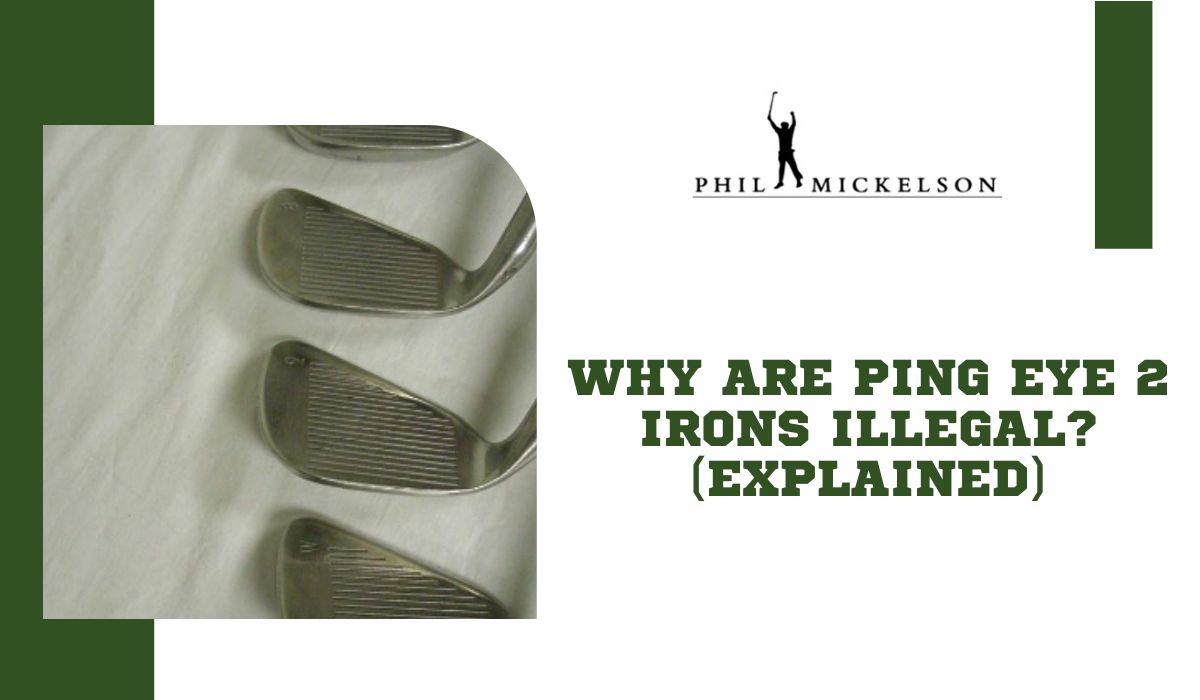
  • Mitsubishi Tensei AV Blue 55 vs. 65

    Mitsubishi Tensei AV Blue 55 vs. 65

    The main difference between Mitsubishi Tensei AV Blue 55 and 65 is the weight of the shafts. The Tensei AV Blue 55 weighs 58 grams, while the Tensei AV Blue 65 weighs 66 to 69 grams. The Tensei AV Blue 65 offers a wider range of weight options than the Tensei AV Blue 55, allowing you to choose a shaft that best matches your desired feel and performance.

    Some buddies at the golf club were sharing stories of their experience with Mitsubishi Tensei AV Blue 55 and 65, and there was even an argument about which was better. Unfortunately, I have only tried out the Mitsubishi Tensei AV Blue 75. Not to feel left out of the conversation, I brought up the idea of testing out both shafts and casting a vote on which was better to determine which was truly the best.

    In this article, I’ll share my experience and give a detailed comparison between the Mitsubishi Tensei AV Blue 55 and 65.

    Specification Comparison

    Before I start sharing my experience with both shafts, I will be sharing a breakdown of the comparison of the specifications of the Mitsubishi Tensei AV Blue 55 and 65.

    Specification Mitsubishi Tensei AV Blue 55 Mitsubishi Tensei AV Blue 65
    Weight 58 grams 66 to 69 grams
    Flexibility Regular, stiff, and X-stiff Regular, stiff, and X-stiff
    Launch Mid-high Mid-high
    Spin Low-mid Low-mid
    Tip Diameter 0.335 inches 0.335 inches
    Butt Diameter 0.596 inches 0.598 inches
    Torque 4.4 degrees 3.9 degrees
    Kick Point MID MID
    Price $175 $175

    First Impression

    My first impression of the Mitsubishi Tensei AV Raw Blue 55 was pretty solid. The stiff (S) flex and 58-gram weight immediately struck a harmonious balance, offering a lightweight feel without compromising on stability—an ideal combination for golfers with a bit more power in their swings. The 46-inch length adhered to the standard for golf clubs, providing a comfortable and familiar feel that contributed to a balanced and controlled swing.

    However, with the Mitsubishi Tensei AV Blue 65, I found it to be a solid performer. The aluminum vapor coating, denoted by the “AV,” contributed to the shaft’s stability, and the graphite composite construction delivered an optimal flex for long drives. While using the shaft, I noticed it has effective loading and unloading during swings, translating to increased distance. The mid-launch and spin results were consistent, aligning well with modern player preferences. The shaft’s feel was notably satisfying, providing a nice whipping effect without feeling overly flexible.

    Ease of Use

    The Mitsubishi Tensei AV Blue 65 immediately stood out to me for its user-friendly design, which greatly contributed to improved overall performance. The shaft’s seamless loading and unloading dynamics allowed me to effortlessly generate power during my swing, resulting in a satisfying and controlled feel. The advanced aluminum vapor coating of the shaft’s design provided stability and contributed to a balanced and well-aligned impact at ball contact. It is incredibly easy to use, providing consistent and confident performance, which makes the Mitsubishi Tensei AV Blue 65 an excellent choice for golfers looking to optimize their driving experience.

    I also tried out the Mitsubishi Tensei AV Blue 55, and I can confidently say that it is remarkably easy to use. The shaft’s meticulous design, combining strength and lightweight properties, allows for a seamless swing experience. The stiff (S) flex, weighing 58 grams, perfectly fit my swing dynamics, striking a balance between power and control. The 46-inch standard length ensured a comfortable feel, promoting a smooth and consistent swing.

    Performance

    My experience with the Mitsubishi Tensei AV Blue 55 has been exceptional and has completely transformed my game on the golf course. The intricate design of this shaft, which combines strength and lightness, results in a swing that feels effortless yet powerful. Opting for the stiff (S) flex and a weight of 58 grams perfectly complements my swing style, offering a harmonious balance of control and responsiveness.

    The standard length of 46 inches provides a comfortable and well-balanced feel during the swing, contributing to a consistent and smooth motion. The Tensei AV Blue 55 stands out with its mid-launch flight characteristics, ensuring that the golf ball achieves the perfect combination of height and accuracy. The unique features, such as the “RAW” finish and the inclusion of Straight Flight Weighting (SFW), have noticeably improved the consistency of my shots.

    I experienced a noticeable sense of control and confidence throughout my rounds with the Mitsubishi Tensei AV Blue 55. The shaft’s ability to minimize shot fades and promote a slight draw through SFW has been particularly advantageous. Whether I am seeking more distance or aiming for precise accuracy, this shaft has proven to be a versatile companion on the course.

    On the other hand, the Mitsubishi Tensei AV Blue 65 is a standout performer on the golf course, offering a unique blend of features that cater to specific player preferences. It’s made with a graphite composite shaft that seamlessly incorporates materials like carbon fiber and an advanced aluminum vapor coating, which is why it’s called the “AV.”

    During testing, the Tensei AV Blue 65 showed impressive loading capabilities, allowing it to store energy at the top of the swing effectively. This energy is then unleashed efficiently during the downswing, resulting in a powerful and controlled release. The regular flex version of the shaft is particularly well-suited for players with moderate swing speeds.

    The Tensei AV Blue 65 produces mid-launch and mid-spin, making it ideal for players who prefer a balanced ball flight. The spin rates consistently stayed around 2800 RPM, while the launch angles ranged between 14° and 15°. These specifications align perfectly with the modern preference for a penetrating ball flight with moderate spin, especially among golfers with faster swing speeds.

    Price

    You can buy both shafts online or in any of your local stores.

    The starting price of a brand new Mitsubishi Tensei AV Blue 55 is about $175 at ClafAwayGolf. While a used one costs about $40,

    On the other hand, the price of the Mitsubishi Tensei AV Blue 65 for both old and new is similar. You can get a new one for as low as $175 and an old one for about $40.

    Pros and cons

    The Mitsubishi Tensei AV Blue 55 and 65 are shafts designed for golf clubs. They are pretty amazing, but they do have some drawbacks. I’ll share the disadvantages and advantages of the Mitsubishi Tensei AV Blue 55 and 65.

    Mitsubishi Tensei AV Blue 55

    What I liked What I Didn’t Like
    Low trajectory Not a great fit for low-launching players
    Moderate spin Poor rollout
    Great loading and unloading Not the best for high-handicappers

    Mitsubishi Tensei AV Blue 65

    What I liked What I Didn’t Like
    Lightweight Limited weight options
    Great for players with slower swing speeds Not as versatile as other shafts
    Mid-high launch and low-mid spin Expensive

    Final Thoughts

    That’s it for my comparison of the Mitsubishi Tensei AV Blue 55 and 65, and I’m hoping it provided interesting insights into their respective characteristics.

    Which should you choose?

    Choosing between the two options depends on your specific playing style and preferences.

    If adaptability and forgiveness, along with a mid-launch flight, are what you prioritize, then the Tensei AV Blue 55 could be a suitable choice for you.

    However, if you are looking for a lower trajectory and an explosive feel, especially with a smoother, moderate swing, the Tensei AV Blue 65 might be a better option.

  • Mizuno MP 33 Review and Specs

    Mizuno MP 33 Review and Specs

    The Mizuno MP 33 is a set of forged muscle-back irons that golfers highly covet. They are suitable for low- to mid-handicap golfers who value precision, shot-shaping ability, and a soft, responsive feel more than distance and forgiveness. The iron set is constructed with Select 1025 Mild Carbon Steel and includes a sole chamber and a computer-optimized sweet spot.


    Intrigued by my brother’s recommendation, I decided to give the Mizuno MP 33 irons a try. His excitement about how well they performed and their timeless appeal piqued my interest. As I brought them to the golf course, the irons exceeded my expectations—they offered a special combination of reliable feel and accuracy. This experience validated my brother’s suggestion, transforming it from a simple recommendation into a decision that significantly improved my overall experience on the course.


    In this article, I’ll be discussing the features and specifications of the Mizuno MP 33 in detail. With this, you will understand why lots of golfers like it and why you should purchase it.

    Mizuno MP 33 Specifications

    To kick it off, I’ll be sharing the specifications for the Mizuno MP 33 to give you a better overview of this iron.


    Iron 1 2 3 4 5 6 7 8 9 PW
    Loft 16o 19o 22o 25o 28o 32o 36o 40o 44o 48o
    Lie 59o 59.5o 60o 60.5o 61o 61.5o 62o 62.5o 63 63.5o
    Length (inches) 39.75 39.25 38.75 38.25 37.75 37.25 36.75 36.25 35.75 75.25
    Offset Little Little Little Little Little Little Little Little Little Little
    Material Select 1025

    Mild

    Carbon

    Steel

    Select 1025

    Mild

    Carbon

    Steel

    Select 1025

    Mild

    Carbon

    Steel

    Select 1025

    Mild

    Carbon

    Steel

    Select 1025

    Mild

    Carbon

    Steel

    Select 1025

    Mild

    Carbon

    Steel

    Select 1025

    Mild

    Carbon

    Steel

    Select 1025

    Mild

    Carbon

    Steel

    Select 1025

    Mild

    Carbon

    Steel

    Select 1025

    Mild

    Carbon

    Steel

    Shaft True Temper Dynamic Gold Steel True Temper Dynamic Gold Steel True Temper Dynamic Gold Steel True Temper Dynamic Gold Steel True Temper Dynamic Gold Steel True Temper Dynamic Gold Steel True Temper Dynamic Gold Steel True Temper Dynamic Gold Steel True Temper Dynamic Gold Steel True Temper Dynamic Gold Steel
    Grip Golf Pride Tour Velvet Golf Pride Tour Velvet Golf Pride Tour Velvet Golf Pride Tour Velvet Golf Pride Tour Velvet Golf Pride Tour Velvet Golf Pride Tour Velvet Golf Pride Tour Velvet Golf Pride Tour Velvet Golf Pride Tour Velvet

    Features and Performance

    The Mizuno MP-33 is a well-respected golf iron. It shows that Mizuno is serious about making great golf clubs. When I used it on the golf course, I noticed how it took the best things from its older versions, especially the MP iron series. It made me understand why, despite the advancements in golf club technology, the Mizuno MP-33 remains a popular choice among golfers.


    One cool thing about it is that it has the same face profile as the MP-9, which is a famous Mizuno iron. They mixed in the camber and radius with the sole from the MP-14, creating a mix that shows off the best of Mizuno’s irons.


    People like irons, like the MP-33, because they let you control how the ball flies. Mizuno kept this tradition by making the iron with Select 1025 Mild Carbon Steel using their “Grain Flow Forging” method. This technique guarantees a consistent feel and high quality, which sets the MP-33 apart in craftsmanship.


    The MP-33 has added features like a sole chamber and a sweet spot optimized by a computer. These things make it easier to control the ball and how it moves. The shape of the sole, with a bevelled trailing edge and a rolled leading edge, is designed to make the iron slide smoothly on the turf, so your swings are easier and you hit the ball better.


    All the irons in the set look and feel the same, with almost no difference. This helps a lot because it makes your shots more consistent and easier to control.


    The center of gravity (COG) in the MP-33 is placed lower than usual. This makes the ball go higher when you hit it. This special COG helps you launch the ball better, giving you an advantage when you play golf.

    Comparison with Other Alternatives

    While the Mizuno MP-33 showcases a classic design with a combination of features from its earlier models, it does come at a higher price. Golfers who are conscious of their budget may find the Titleist 620 MB and Callaway Apex MB to be attractive alternatives.


    The Titleist 620 MB is made from forged 1025 carbon steel and features tungsten weighting strategically placed to provide a solid feel and consistent performance. The inclusion of tungsten also improves forgiveness, making these irons suitable for players who prioritize control without sacrificing stability.


    On the other hand, the Callaway Apex MB targets players who highly value control and feel. Like their counterparts, the Callaway Apex MB irons boast a forged 1025 carbon steel body and incorporate tungsten weighting. These irons have a traditional shape that appeals to purists, offering the ability to shape shots and manipulate the ball’s flight.


    Below is a table that provides a side-by-side comparison of the key features of these irons, allowing you to easily understand what each one offers.


    Iron Mizuno MP 33 Titleist: 620 MB Callaway Apex MB
    Hand Orientation Left Right and left Right and left
    Shaft Material Steel Steel Steel
    Flex Stiff Stiff Stiff
    Set Composition 3-PW 3-PW 3-PW
    Grip Golf Pride Tour Velvet Golf Pride Tour Velvet 360 Golf Pride Tour Velvet 360 Soft
    Price $1,999.99 $1299.99 $1299.99

    Pros and cons

    Before concluding this article, it is important that I share the upsides and downsides I noticed when using the Mizuno MP 33.

    What I liked

    What I Didn’t Like

    • These irons are less forgiving than cavity-back designs, so they may not be the best choice for high handicap players.
    • The sweet spot on the Mizuno MP 33 irons is smaller than others, making it a bit more challenging to hit consistently.
    • The Mizuno MP 33 irons prioritize precision and control over distance. Therefore, golfers who prioritize distance may find other options more suitable.

    Final Thoughts

    The Mizuno MP 33 irons left a lasting impression on me, proving their timeless appeal. Even after more than two decades since their release, these irons continue to captivate players with their unique combination of demanding performance and unmatched feel. The classic, minimalist design not only showcases enduring elegance but also emphasizes the irons’ ability to surpass trends and maintain their aesthetic charm.

  • Diamana S+ 60 vs. 70

    Diamana S+ 60 vs. 70

    The main differences between the S+ 60 and Diamana S+ 70 are their weight and stiffness. The Diamana S+ 60 is lighter and more flexible, making it a good option for players who want to increase their clubhead speed and generate more distance. On the other hand, the Diamana S+ 70 is heavier and stiffer, providing more stability and control for golfers who want to improve their accuracy and consistency.

    As a passionate golfer, I test out different equipment to improve my experience on the golf course. I recently tested the Diamana S+ 60 and 70 shafts. The S+ 60 delivered a sweet balance, amping up my swing speed and providing a nice, smooth feel on impact. Its accuracy gave me better control over my shots, especially in those critical moments on the course. Meanwhile, the S+ 70 showcased better performance, boosting my drives with added distance and stability. I preferred it because it suited my powerful swings, enhancing overall accuracy.

    While testing out both shafts, I took note of my experience, and I’ll share it in this article. In this article, you’ll get a detailed comparison of the Diamana S+ 60 and 70.

    Specification Comparison

    Let’s dive into the details of the Diamana S+ 60 and 70 shafts to see how they stack up in specifications.

    Specification Diamana S+60 Diamana S+ 70
    Weight 59 grams 71 grams
    Flexibility Mid- to mid-high Mid- to mid-high
    Torque 4.4 degrees 3.3 degrees
    Launch High Mid
    Spin Mid-high Low-mid
    Trajectory High Mid
    Tip Diameter 0.335 inches 0.335 inches
    Butt Diameter 0.600 inches 0.600 inches
    Length 46 inches 46 inches
    Balance Point 8.5 inches 8.5 inches
    Ball Flight High Mid
    Swing Speed 80-90 mph 90-100 mph
    Launch Angle 12-14 degrees 10-12 degrees
    Spin Rate 3000-3500 rpm 2500-3000 rpm
    Trajectory Height 100-120 feet 80-100 feet
    Tip Stiffness Mid Mid
    Butt Stiffness Mid Mid
    Mid Stiffness Mid-high Mid-high
    Kick Point Low-mid Mid
    Price $290 $250

    First Impression

    The S+ 60 caught my attention from the get-go with its feather-light feel. As a golfer with a more relaxed tempo and a slightly slower swing speed, I found this shaft’s mid-to-mid-high flex profile to offer a smooth and forgiving response. The 4.4-degree torque rating translated into a pleasant, almost buttery feel during the swing.

    Switching over to the S+ 70 was like strapping on a power-packed engine. The first thing I felt was the substantial weight, and that’s not bad. The 3.3-degree torque rating kept things stable. This shaft felt right at home for someone with a faster swing speed and a more aggressive tempo.

    Performance

    The first thing I noticed about the Diamana S+ 60 was its lighter weight and enhanced flexibility. As I took my swings, the clubhead speed noticeably increased, translating into more distance and a higher launch angle. This shaft seemed tailored for golfers like me with a slower swing speed, offering a remarkable boost in ball speed and overall distance.

    On the flip side, the Diamana S+ 70 immediately felt different due to its heavier and stiffer build. The added stability and control were evident in my shots, providing a sense of confidence and accuracy. For those with a faster swing speed, like myself, the S+ 70 proved instrumental in maintaining control and achieving a penetrating ball flight.

    The different performance attributes of these shafts directly impacted my game. With the S+ 70, I experienced a more controlled trajectory, which was particularly beneficial when I needed accuracy. However, the S+ 60’s are lighter and more flexible and can allow you to overcome your slower swing speed, making a noticeable improvement in distance and launch.

    Reflecting on my experience, the decision between the Diamana S+ 60 and S+ 70 is highly personalized. Depending on the day’s requirements, I now have the flexibility to choose the shaft that complements my playing style. It became clear that factors like swing speed, tempo, and shot tendencies were crucial in this decision-making process.

    Ease of Use

    The S+ 60, with its lighter weight and more flexible design, offers a user-friendly experience, especially for golfers with a slower swing speed. The effortless nature of the shaft allows players to generate increased clubhead speed without feeling encumbered, promoting a sense of fluidity in each swing. The lightweight construction is particularly accommodating for those who may be new to custom shaft options or prefer a shaft that responds readily to their swing dynamics.

    Conversely, the S+ 70, with its heavier and stiffer build, may require a slightly adjusted approach. While the added weight contributes to stability and control, golfers with a faster swing speed may find it to be a natural fit. The stiffness, though enhancing precision, might necessitate a brief acclimatization period for those transitioning from lighter shafts. Once accustomed, the S+ 70 offers a user-friendly experience that aligns seamlessly with the playing style of those seeking enhanced accuracy and consistency.

    Price Value

    The price of a Diamana S+ 60 is about $290. But you can get it for as low as $100 if you patiently search the web.

    On the other hand, a used Diamana S+ 70 is usually sold for as low as $40, depending on its condition, while a new one costs about $250 on Amazon.

    Pros and cons

    While both the Diamana S+ 60 and 70 have amazing advantages for golfers, they also have some disadvantages, which I observed while testing.

    Diamana S+60

    What I liked What I Didn’t Like
    The Diamana S+ 60 is lighter and more flexible than the Diamana S+ 70, making it a good option for players who want to increase their clubhead speed and generate more distance. It may not be suitable for golfers who want to improve their accuracy and consistency. The shaft’s lightweight and flexible design may make it difficult to control for some players.
    The shaft’s unique bend profile helps golfers achieve a high launch with low spin, resulting in longer and straighter shots. It may not be ideal for golfers with a faster swing speed. The shaft is designed for golfers with a swing speed of 80–90 mph, which may not be suitable for all players.
    It offers a smooth feel and enhanced feedback, allowing golfers to judge the quality of their shots better.

    Diamana S+ 70

    What I liked What I Didn’t Like
    The Diamana S+ 70 is heavier and stiffer than the Diamana S+ 60, providing more stability and control for golfers who want to improve their accuracy and consistency. It may not be suitable for golfers who want to increase their clubhead speed and generate more distance. The shaft’s heavier and stiffer design may make it difficult to swing for some players.
    The shaft’s unique bend profile helps golfers achieve a mid-launch with low spin, resulting in longer and straighter shots. It may not be ideal for golfers with a slower swing speed. The shaft is designed for golfers with a 90-100 mph swing speed, which may not be suitable for all players.
    It offers a solid feel and enhanced feedback, allowing golfers to judge the quality of their shots better.

    Who Should Choose S+ 60 and S+ 70?

    Selecting the right golf shaft is akin to finding the perfect fit for your swing dynamics and playing style. The Diamana S+ 60 and S+ 70 offer distinctive options tailored to cater to specific golfer profiles.

    The Diamana S+ 60 is crafted for golfers with a slower swing speed, smoother tempo, and a desire for a higher launch with moderate spin. It’s an excellent choice for those who prioritize maximum distance and forgiveness. The lightweight nature of the S+ 60 also suits golfers seeking to generate more clubhead speed. If you resonate with a sense of belonging in the golfing community and envision yourself as a player with a moderate swing speed, the S+ 60 could be your perfect companion.

    Conversely, the Diamana S+ 70 is tailored for golfers with a faster swing speed, a more aggressive tempo, and a preference for a lower launch with less spin. This shaft is designed to deliver maximum control and accuracy, making it ideal for players who thrive on precision. If you see yourself as a golfer with a faster swing speed, aspiring for a penetrating ball flight, the S+ 70 is for you. It offers the stability and stiffness sought by those who crave control and precision in their shots.

    Final Thoughts

    If you’re looking for a shaft that can help you generate more clubhead speed and distance, then the Diamana S+ 60 might be a better option. However, if you’re looking for a shaft that can help you improve your accuracy and consistency, then the Diamana S+ 70 might be a better option.

  • Graphite Design YS 6 Review

    Graphite Design YS 6 Review


    The YS-6 shaft from Graphite Design is really old and not considered suitable by today’s standards, but it has proven itself as a top performer on the PGA Tour. Upon extensive testing, the shaft is a better fit for those without aggressive swings. Titleist 906F4 with this shaft is a killer.


    Graphite Design is a Japanese-based brand, and the YS 6 shaft is among their well-known products that have attracted a lot of attention in the golf community. The goal of the shaft is increased distance, responsive feel, and improved accuracy.


    But how does it measure up in these areas? How do you know if the YS 6 is a good fit for your game? Find out in this unbiased, extensive review of the Graphite Design YS 6 review.

    Graphite Design YS 6 Specs


    The key features of these old shafts are: 335″ tip diameter, ultralight, and mid-flex points for all skill levels of golfers, and it uses the highest grade of modulus graphite. Here are its exciting specs:


    Available Flexes Bend Point Launch Angle Color Shaft Length Torque Weight (gr) Tip Diameter Butt Diameter Parallel Tip Section
    Regular Mid Mid Blue/Silver 46″ 3.5 65 .335 Parallel .600 3.5″
    Stiff Mid Mid Blue/Silver 46″ 3.5 66 .335 Parallel .600 3.5″
    X-Stiff Mid Mid Blue/Silver 46″ 3.5 67 .335 Parallel .600 3.5″


    Graphite Design YS 6 Review Swing Speed


    The major highlight of the YS 6 shaft performance is that it is designed to promote mid- to mid-high launch angles and low- to mid-ball spin rates.


    Graphite Design YS 6 Flex Chart


    Flex Driver Swing Speed (MPH) Carry Distance (Yards)
    Regular

    Stiff

    X-Stiff

    80 to 90

    90 to 105

    105 to 115

    190 to 220

    220 to 260

    260 to 290


    Remember, extra-stiff graphite weighs in at around 80 grams, while its steel counterpart hits the scale at 110–130 grams.


    When you switch from steel to graphite, you usually cut the shafts 1/2″ longer to keep that swing weight vibe similar to steel.


    Here’s the magic: with lighter clubs and a longer shaft, my clubhead speed shot up by 2-3 mph (no kidding!).


    That’s the secret sauce for gaining that extra half-club distance when you make the switch to graphite.


    Of course, your mileage may vary, and it’s still crucial to match the shaft profile with your ideal ball flight.


    You can take a peek at the video below for a demonstration of intentional graphite design shaft selection:


    https://youtube.com/shorts/60RJyz0uJE0?si=ApPdVB2Tv_Z5MtWq


    Installing the Graphite Design YS6 Shaft


    YS6 is custom-assembled and will be ready to install into your driver’s head right out of the box. All you need is your original driver wrench to screw in the shaft. This shaft comes installed with a Tour Velvet 360 grip, so you can adjust the adapter settings.


    Here’s a step-by-step guide on how I installed the Graphite Design YS6 golf shaft in my Titleist 983K driver:


    Materials Needed:


    • Graphite Design YS6 Golf Shaft
    • Your driver’s head
    • Shaft adapter (if necessary)
    • Grip
    • Double-sided grip tape
    • Solvent
    • Shaft clamp
    • Razor blade or knife
    • Grip tape solvent
    • Rubber vise clamp or shaft holder


    1. Remove the old shaft (if applicable): If there’s an existing shaft, carefully remove it using a shaft extractor. Clean the hose to remove any residue.


    1. Apply grip tape and epoxy. Wrap double-sided grip tape around the shaft’s tip. Apply epoxy to both the shaft tip and inside the hosel. Insert the stick into the hosel, ensuring alignment.


    1. Secure the Shaft: Use a shaft clamp to secure the club while the epoxy cures. Ensure the shaft is aligned, and let the epoxy dry according to the manufacturer’s instructions.


    1. Install the grip: Once the epoxy is fully cured, install the grip using grip tape and solvent. Ensure the grip is aligned and pushed onto the shaft.


    1. Final Check: Confirm the shaft is securely attached, the grip is installed correctly, and the clubhead is aligned.

    Graphite Design YS-6 Equivalent


    Let’s say you bought an older club that had a GD YS6 as the shaft and want to remove it for a new adapter to use your current driver heads.


    For replacement, you first have to realize that the YS6 is an older shaft and is not very expensive now, but it is a higher-end type of shaft, especially back when it came out.


    If you want a different shaft but still want to enjoy the profile of the YS6, look at the GD MAD shaft. (an acronym for “Maximum Accuracy and Distance”)


    The standard MAD is available in 45, 55, 65, and 70 grams in flexes from A through S. The MAD PRO is available in 65 and 75 grams in S, X, and TX.


    It is not a perfect match for the YS6 shaft, especially considering how it is firmer in the middle, but it suffices for a profile equivalent.


    Getting the Right Fitting for the Graphite Design YS6 Shaft


    If you have a swing speed of between 86 and 95 mph, the YS6 Regular Flex will work best, while players with a 96 to 105 mph swing speed will get fitted for the Stiff Flex. The X-stiff flex shaft of the YS6 reaches for players with swing speeds between 105 mph and above.


    Remember, these recommendations are based on your driver’s swing speed.

    Final Remark on Graphite Design YS6 Shaft


    My experience with the YS-6 shaft on my 983K driver was a bit of a mixed bag.


    The shaft certainly packs a punch with its noticeable kick, but I found that without the right balance in stiffness and tipping, it tended to lead to unwanted hooks.


    As a swinger with a swing speed in the 95 to 98 mph range, I struggled to control it effectively, resulting in a lot of hooks during my rounds.


    The combination of the YS-6 and the deep-bore Titleist head created a very lengthy setup, but unfortunately, it didn’t quite suit my playing style. I know for sure that it could have paired well with the likes of 906F4.


    Here’s my overall rating on this old shaft:


    Factors Rating
    Handicap 12
    Swing Speed 95 mph
    Distance 240 yards
    Accuracy 8/10
    Flexibility Regular
    Laung angle Mid-High
    Overall Rating (out of 5) 3.8


    For those exploring Graphite Design products, I would suggest looking into alternatives like the YS-7 or the YS-Power series. These might be more suitable for individuals with a more aggressive swing, offering a better match in terms of control and performance.


    Keep in mind that my experience may not be universal, so I recommend you consider other options within the Graphite Design lineup to find the perfect fit for your specific swing dynamics.


  • Callaway Fusion Irons Review

    Callaway Fusion Irons Review


    If you are a mid-handicapper, you can undoubtedly take advantage of the extreme forgiveness of the Callaway Big Bertha Fusion irons. However, even with their 6-4 titanium face construction, these irons do not provide the much-needed workability.


    Callaway Golf’s Fusion is all about weight distribution technology. The Big Bertha Fusion Irons have been garnering some attention in the golf community, and more people want to know if these irons are worth using.


    What stood out for me in these irons is the dense titanium alloy cradle, lightweight 6-4 titanium face, and special vibration-dampening TPU SenSert. However, there’s more than meets the eye. Continue reading to learn about the Callaway Fusion irons and to see if they’re the right fit for you.

    Callaway Fusion Irons Specs


    Most people who have used the Big Bertha fusion iron testify that it feels well-balanced, and this was exactly my first impression. It also has some interesting specifications.


    Callaway Fusion Irons Key Features


    Features What It Means Benefit
    Tunite cradle Allows 77% of the mass to be positioned around the extreme perimeter of the iron. Ultra-high MOI and a low, deep CG
    TPU SenSert Reduces vibration for a great feel. Also, it eliminates the hollow sound and feel of an oversized cavity back. Response and crisp sound
    Lightweight 6-4 titanium face insert It is 22 percent lighter than a comparable steel face, so weight is distributed around the perimeter. Increased speed of the ball.
    Club head shape Enlarged sweet spot More accurate strikes


    First impression


    On paper, many Callaway irons can easily boast impressive features like a titanium face and tunite cradle, but the real test lies in performance.


    As someone who appreciates a blend of forgiveness and the ability to manipulate the ball, these irons from Callaway entirely meet expectations.


    Before making my purchase for this review, I had the chance to test a set with RCH 75i graphite shafts in regular flex, and the feel was nothing short of impressive.


    The uniflex shaft, designed to strike a balance between stiff and regular flex, leans slightly towards the stiff side. Given my contemplation about transitioning from stiff to standard posts, the Nippon 990 uniflex shaft emerged as an ideal fit for me. These shafts lean towards the lighter side of the stiff range, offering a comfortable yet responsive feel.


    Let’s remember that fusion irons have been on the market since 2002. The newer versions may not match the length and playability of the Great Bertha tungsten titanium irons or the excellence of the Big Bertha 2002 irons. Still, they offer a reliable and affordable alternative in the used market.


    Unlike the ERC Fusions, which fall short in comparison, the Big Bertha Fusion Irons deliver a level of craftsmanship reminiscent of the renowned Ping Eye2 irons.


    So, as a first reaction, I consider the Fusion irons a genuine steal for any golfer seeking quality in the game.

    Are Callaway Fusion Irons forgiving?


    The thoughtful design, with thick soles and a strategically placed low center of gravity in the head of the Callaway Fusion irons, allows for effortless high launches, which is particularly helpful for those struggling with consistently lowball flights.


    One distinctive feature that caught my attention is the slightly weaker loft, with the 9-iron boasting a 41° angle. However, the expansive sweet spot mitigates any concerns about lateral mis-hits.


    Although I noticed a slight drop in ball speed on off-center hits, the dispersion remained impressively tight.


    Still, the forgiving nature of these irons is good, as my shots, even on bad mis-hits, didn’t veer dramatically off course and often resulted in playable lies.


    Comparing them to other clubs from over two decades ago, the Callaway Irons from the mid-1990s through the mid-2000s have aged remarkably well in terms of forgiveness.


    However, acknowledging the advancements in golf technology, I can’t deny that the newer clubs are still notably superior in terms of forgiveness.


    While the Big Bertha Fusion irons are still suitable for casual play, it’s worth considering newer options for a more forgiving experience, especially if you’re looking to elevate your game.

    Who Should Use the Callaway Fusion Irons?


    Given their construction, technology, and performance, the Callaway fusion irons will fit best for high handicappers, usually beginners. The forgiveness from these irons will surely benefit mid-handsappers, but I didn’t feel the much-needed workability, which won’t be a deal breaker for high handicappers.


    The fusion irons are best appreciated for helping you correct big misses, which you will value more as a high handicapper.

    Callaway Fusion Iron Price

    If you’re buying pre-owned from platforms like eBay, expect to pay anywhere from $180 to $250 for a set of the Callaway Big Bertha Fusion irons.


    However, the newer model, “Great Big Bertha,” tungsten, is titanium and commands a premium, which explains why you can see them listed for around $1,750 on the official Callaway golf website.

    Callaway: Big Bertha Fusion vs. Fusion Wide Sole?

    While the Callaway Big Bertha Fusions are just a bit larger from heel to toe, the Wide Sole’s sole design allows each iron in the set to glide smoothly and efficiently through the turf to reduce clubhead digging or catching missed shots.


    On the Fusion Wide Sole, the titanium iron clubhead, 35% lighter than conventional steel, boasts a 25% larger size. Teaming the lightweight titanium with a dense “Tunite” sole insert lowers the center of gravity, aiding swift ball elevation.


    Final Thoughts


    Overall, the Fusion irons are strongly forgiving. They are ideal for beginners or high handicappers, especially if you don’t want to start with expensive irons.


    Some see a fair preowned deal on these irons. As long as they are in good shape, even getting set for $100 is a knockout deal.


    Ralphy Maltby, who measures and characterizes the physical characteristics of the club, describes the Fusion Irons as one of the most forgiving clubs out there.


    So, it’s a solid choice for high handicappers, as you can milk the forgiveness of these irons.


  • Are Northwestern golf clubs any good?

    Are Northwestern golf clubs any good?

    For a beginner with no access to golf clubs, the Northwestern golf clubs are decent options to start with. However, these 30-year-old muscle-backs will not do you any good in the long run, especially if you want to improve your game, because they’re much less forgiving than most modern clubs.

    There’s indeed no proof of golf clubs getting bad with age. However, when you want to invest in a set, no matter how cheap, you like to know if it’s any good at all. Recently, I received mail from a reader trying to find a used set for his 15-year-old son’s first club and considering the Northwestern irons.

    This piqued my interest because I once used them as a beginner in my college days. After more research, I realized that many others want to know if these Northwesterner clubs are good enough to start the game or if it is encouraged to begin with higher-end ones.

    I have put this article together to share all the vital information you need to know about using Northwestern golf clubs.

    How Good Are Northwestern Golf Clubs?

    Some players may have sentimental value or comfort with older clubs, but modern clubs offer improved performance. If you’re a casual golfer, the 30-year-old Northwestern clubs may still be usable, but upgrading to newer technology could enhance your game.

    Of course, this brand has been making vintage golf equipment since the early 1900s, with over five decades of manufacturing experience.

    The sound you get from the impact when hitting Northwestern clubs is almost second to none. Also, the appearance is excellent. A closer look at the top paint reveals the club’s resistance to chips and scratches.

    The fact that you can get a set of Northwestern iron for half the price of a single modern club is also a key advantage, but in terms of performance, they are not really good. As a beginner, you will need something with newer technology and improved forgiveness actually to improve your game.

    But for the average beginner who is totally starting from scratch and doesn’t want to spend too much on golf gear, northwestern golf clubs are decent starters.

    Key Features of Northwestern Golf Clubs (Ti Matrix Driver in Review)

    The sole of the golf club reads “Northwestern Titanium Matrix,” which is, by the way, an excellent way of saying aluminum, along with the wood number.

    The club head

    • It has two diagonal little flutes on the sole.
    • It features a Callaway knockoff gery painted all the way around the club face.
    • The face is designed with tons of grooves, which the manufacturers expect players to hit out of the rough.
    • Aluminum oxidation layer on the club face
    • A triangle icon on the top line

    The Shaft

    • A little plastic feral at the edge of the club head connects the shaft.
    • Northwestern Golf Club uses a graphite shaft (x101), which I don’t see as really spectacular.

    The Grip

    Images credit: The Vintage Golfer

    First impression

    I’ve had the opportunity to use the northwestern irons since I first started, which today can be purchased for around a dollar each.

    These decades-long clubs worked fine, but the only bad thing about them, based on personal observation, was the grips, which I believe will easily be a struggle for beginners.

    In terms of ball movement, especially compared with the set of tailor-made drivers, I did notice the same big, sweeping slice off into nowhere.

    That shows it’s often more about the player than the club.

    So, if you’re considering Northwestern golf clubs, it would help if you prepared to invest in some name-brand clubs after getting good at hitting those old Northwesterns.

    Meanwhile, the “ping” sound that comes as feedback upon impact with the Northwestern golf clubs is lovable.

    Pros and Cons of Using Northwestern Golf Clubs

    Using 30-year-old golf clubs like the Northwestern golf clubs, especially when purchased preowned at a lower cost, comes with both advantages and disadvantages. So keep these in mind before deciding on buying them:

    Pros

    • They are often available at a fraction of the cost of newer models, making them an affordable option for budget-conscious golfers. You can see a set of Northwestern golf clubs for around $50.
    • The classic design and feel of the vintage clubs
    • If well-maintained, these clubs can withstand the test of time and still perform reasonably well on the course.
    • The less forgiving technology can force you to develop a more consistent swing and better ball-striking ability.

    Cons

    • You will miss out on advances in materials and design that could have contributed to forgiveness, distance, and overall performance.
    • Northwestern golf clubs are now primarily preowned. So be ready to put up with possible scratches, dents, or worn-out grips, which can impact your ability to play at your best.
    • Older clubs, including Northwestern Lines, generally have less forgiving designs compared to modern clubs.
    • It is not from a renowned brand, so there is no collectible value.

    Who Can Use Northwestern Golf Clubs?

    The Northwestern golf clubs look visually pleasing, especially with their vintage appeal. They are okay to start with if you’re getting into golf and don’t want to spend too much on your first set of golf clubs.

    Northwestern clubs will be much less forgiving than most modern clubs. So you’re making golf harder. But when you’re starting, you almost never strike the ball well enough for it to really matter.

    Golf is hard enough without having to learn on a mixed bag of random 30-year-old muscle-backs.

    So, if you’re really invested in improving your game, you could quickly get a decent set of used irons from a name brand for $100 or less.

    For an average golf player (either for leisure or otherwise), they are crap. But $7 is a great price to get started.

    If you enjoy the practice of gathering vintage clubs and playing them as a beginner, I recommend you stay away from brands like the Chichi Clubs, as they are generally hard to hit.

    Where Can I Buy Northwestern Golf Clubs?

    You are likely to find Northwestern golf clubs sold on platforms like eBay. The average seller will place the price point at between $75 and $100 for a complete set of, say, the 3-PW Concorde Oversize RH Men’s Steel, while a club can cost a buck each. Some with new grips can cost a little more.

    You can also find them at KMart, especially those J.C. Snead muscle back blades. It is safe to say that half the clubs at Goodwill are Northwestern clubs, too.

    Each time I look at these clubs, it brings a certain nostalgia as I reflect on the past when inexpensive clubs were actually affordable but built like tanks.

    Indeed, the dollar value of these older clubs is meager, but they could, today, mean a lot to a kid who doesn’t have access to clubs.

    Final Words

    The ProSelect line of Northwestern golf clubs is offered at limited-access clubs directly to a select group of 2,000 customers.

    The brand also supports celebrities like Gary Player, J.C. Snead, Bob Murphy, Judy Rankin, and Nancy Lopez, who use and endorse the product.

    If you’re looking to buy Northwestern clubs as a beginner, my candid opinion is that they are not so great. But it doesn’t mean you can’t use them.

    It’s a good starter, but you can always upgrade later.

  • Ping Eye 2 vs. Ping Zing

    Ping Eye 2 vs. Ping Zing

    The major difference between the Ping Zing and Ping Eye 2 is their design and performance focus. Ping Zing, with its midsize design and high toe area, emphasizes forgiveness and ease of use, making it an ideal choice for beginners. Meanwhile, Ping Eye 2 boasts advanced features like a custom tuning port, catering to players seeking precise control, optimal launch, and distance mastery.

    I recently tested the Ping Zing and Ping Eye 2 irons to refine my on-course experience. The Ping Zing pleasantly surprised me with its forgiveness, particularly around the toe region. Its smooth, rounded sole also proved handy in maintaining solid contact in challenging situations. Shifting to the Ping Eye 2, I encountered a more advanced set, where the cavity back design and custom tuning port significantly enhanced precision and allowed for optimal launch. Each iron brought distinct strengths, catering to different facets of my game and adapting to various playing scenarios.

    In the rest of this article, I will explain the major differences between the Ping Eye 2 and Ping Zing to help you decide which to add to your collection.

    Specification Comparison

    When it comes to comparing the specifications of the Ping Eye 2 and Ping Zing, avid golfers often find themselves faced with a dilemma. So, to make things easier, let’s break down the key specifications of these two iconic golf clubs:

    Specification Ping Eye 2 Ping Zing
    Year introduced 1982 1994
    Club Type Irons Irons
    Club Head Size Midsize Midsize
    Club Head Material Stainless steel Stainless steel
    Shaft Material Steel Steel
    Shaft Flex Regular, stiff Regular, stiff
    Set Composition 3-PW 3-PW
    Loft 20°-48° 20°-48°
    Lie Angle 58°-64° 58°-64°
    Bounce Angle 0°-14° 0°-14°
    Offset No Yes
    Club Length Standard Standard
    Club Weight 1.5lbs 1.5lbs
    Club Grooves U-grooves V-grooves

    First Impression

    As I unboxed the Ping Zing irons, the first thing that caught my eye was the distinct deep-cavity back design. It exuded precision and performance. When I gripped the club and took my first swings, I was immediately struck by how effortlessly I could connect with the ball. The deep cavity back seemed more than just a visual feature; it played a crucial role in making these irons remarkably easy to hit.

    What stood out for me was the impressive shot dispersion. The Ping Zing irons consistently delivered tight shot groupings when my swings were reasonably accurate. It felt like the club was working with me to maintain control and keep the ball on the intended line.

    Switching to the Ping Eye 2 irons, the differences in design and performance were apparent. I wasn’t a fan of the classic design and distinctive orange dot. The standout feature of the Ping Eye 2 irons was the cavity back design, which was notably emphasized as a key element contributing to forgiveness and accuracy. The weight redistribution to the clubhead’s perimeter caught my eye visually and promised enhanced performance.

    The larger sweet spot created by the cavity back design was evident in my shots, providing confidence even on off-center hits. The Ping Eye 2 irons prioritize consistency, and the forgiveness offered by this design element was notable.

    Ease of Use

    Using the Ping Eye 2 irons felt super easy. The way they’re designed with that hollow-back thing makes them really forgiving. Even when I didn’t hit dead center, the shots went straight and far. It’s like they’re forgiving your mistakes, which is awesome, especially if you’re not a pro golfer. The weight around the edges helps, too; it keeps the club steady, so even if you mess up a bit, it’s not a disaster. These irons make golf feel less tricky, and that’s a big plus for me.

    The Ping Zing Irons are also pretty easy to use. They might not have all the fancy stuff, but they’re forgiving. If you’re like me, still working on getting the perfect swing, these irons have your back. It’s not a big deal, even if you hit a bit off, especially around the toe. The club’s shape helps you out. And when dealing with rough grass, these irons slide through and let you hit the ball solidly. They might not be the flashiest, but they’re good for someone like me who wants to enjoy playing without too much fuss.

    Performance

    From my experience, the Ping Eye 2 Irons truly stand out regarding launch, trajectory, and distance control. The cavity back design and the carefully calibrated weight distribution worked seamlessly to promote a higher launch angle, making it remarkably easy for me to get the ball airborne. The meticulous center-of-gravity calibration ensured a consistent and desirable trajectory, providing the perfect balance between carry and roll.

    What impressed me most about the Ping Eye 2 irons was their exceptional distance control. The custom tuning port technology allowed me to place the weight within the clubhead precisely, optimizing the center of gravity. This, coupled with the responsive feel of the True Temper Dynamic Gold Shaft, enabled me to generate maximum power efficiently, resulting in consistent and predictable ball flights.

    On the other hand, my experience with the Ping Zing irons revealed a different set of strengths. The midsize design and high toe area offered forgiveness that was particularly reassuring around the toe region, protecting against mis-hits. The smooth, rounded sole design proved invaluable, especially in rough conditions, allowing me to make solid contact with the ball. While I found these irons ideal for beginners, the basic performance and the thick, unresponsive face presented challenges with ball speed, highlighting a trade-off between forgiveness and advanced features.

    Surprisingly, the Ping Zing irons showcased good roll distance, even on topped shots. Despite lacking sophisticated technology, their perimeter-weighted cavity back design, groundbreaking in 1991, continued to assist with forgiveness. However, the basic performance and the thick, unresponsive face did raise concerns about ball speed for certain players, underscoring the balance between forgiveness and modern features.

    Price

    A brand new Ping Eye 2 costs about $107, depending on the shaft’s makeup, material, and flex. But you can get a used one for as low as $24. On the other hand, you can get a brand new Ping Zing for as low as $199.

    Pros and cons

    Like everything else, these two golf clubs have their upsides and downsides. I must share them with you so you can make a good decision about which to purchase.

    Ping Eye 2

    What I liked What I Didn’t Like
    Classic design Limited forgiveness
    Affordable Outdated technology
    Good for low-handicap players It is not customizable, so golfers cannot adjust the club’s lie angle, loft, or shaft length to fit their swing.

    Ping Zing

    What I liked What I Didn’t Like
    High forgiveness The design isn’t appealing.
    Thick topline Not suitable for beginners who need to work on their ball-striking skills.
    Added mass on the heel and toe for more heel-toe stability on off-center hits It has a heavy swing weight that may not appeal to all players.

    Which should you buy?

    Choosing between the Ping Eye 2 and Ping Zing irons boils down to your priorities on the golf course. If you’re after advanced features, precise control, and a tailored experience, the Ping Eye 2 irons should be on your radar. Their cavity back design, strategic weight distribution, and custom-tuning port technology make them ideal for golfers seeking optimal launch, trajectory, and distance control. The True Temper Dynamic Gold Shaft further contributes to a responsive and stable feel, enhancing overall performance. However, be ready for a slightly steeper learning curve and possibly a higher price tag.

    On the other hand, the Ping Zing irons might be a better fit if you value simplicity, forgiveness, and an easy-going golfing experience. Their midsize design, high toe area, and perimeter weighting make them forgiving and accessible, especially for beginners. While lacking some modern technology, they still provide good roll distance and help players navigate challenging conditions. If you prioritize an easy-to-use set that offers forgiveness without overwhelming you with advanced features, the Ping Zing irons are a solid choice.

    Final Thoughts

    Both Ping Eye 2 and Ping Zing have their own unique strengths, catering to different skill levels and playing styles. Your choice should align with what matters most to you on the course—whether it’s advanced technology and precision or simplicity and forgiveness. Whichever set you go for, both the Ping Zing and Ping Eye 2 irons offer reliable options to enhance your golfing experience.

  • What Does W, U, S Stand for in Ping Iron?

    What Does W, U, S Stand for in Ping Iron?

    In Ping Irons, the letters W, U, and S stand for wedge, utility, and sand. These labels indicate the specific club type and its purpose. The Wedge is meant for short, high-lofted shots, while the Utility is a versatile club suitable for different situations, often replacing long irons. The sand is specifically designed for shots from sandy or bunker lies.

    I came across the meaning of W, U, and S in Ping Irons in a rather amusing way. When I first started playing golf, I was perplexed by these letters on my friends’ clubs. Curiosity got the best of me, and in a moment of innocence, I asked, “Why do your clubs have W, U, and S? Does it mean ‘Weird,’ ‘Unusual,’ and ‘Special’?” Laughter ensued, and my friend kindly explained that they actually stood for wedge, utility, and sand. It was a lighthearted introduction to the intricacies of golf club terminology.

    In this article, I will be sharing more information on W, U, and S in Ping iron so you don’t face any embarrassing situations and to make your experience golfing an easy one.

    What is the difference between W, U, and S in Ping Iron?

    The W, U, and S in Ping Irons are more than just letters; they represent a nuanced approach to golf club design. The major difference between the W, U, and S in Ping iron is the loft.

    But, before I go right ahead to discuss in detail the difference between these letters in Ping Iron, I’ll be giving you an overview of the difference to make things easier for you.

    Features W U S
    Full Name Pitching Wedge Utility Wedge or Gap Wedge Sand Wedge
    Loft Angle 47°–50° 50°-53° 54°-58°
    Shaft Length 35.5″-36.5″ 35.25″-36.25″ 35″-36″
    Design Blade Cavity Back Cavity Back
    Clubhead Size Small Medium Large
    Feel and Feedback Soft Soft Firm
    Forgiveness Low Moderate High
    Shot Control High Medium Low
    Shaft Options Steel Steel Steel
    Ideal Player Type Advanced/Pro players Mid-handicap players High-handicap players
    Loft Adjustability Limited Limited Extensive adjustability
    Suitable For Skilled ball strikers All-around players Players seeking forgiveness
    Price Range $100-$200 $100-$200 $100-$200

    Now, I’ll be explaining what W, U, and S mean in Ping iron.

    Starting with the Pitching Wedge (W), this club is characterized by a lower loft, typically around 46 degrees, making it well-suited for shorter and more controlled shots. The lower loft of the W is ideal for precise approaches to the green, providing advanced players and skilled ball strikers with the ability to control the trajectory of their shots. The smaller, compact head, maximum feedback, and low forgiveness of the W contribute to its emphasis on shot control. Additionally, the extensive custom options for shafts enable players to fine-tune the W according to their specific preferences.

    Moving on to the Utility Wedge (U), often referred to as the Gap Wedge, it steps up the loft to approximately 50 degrees, effectively filling the gap between the pitching wedge and higher-lofted clubs. This increase in loft enhances the versatility of the U, making it a valuable club for approach shots that require a bit more lift. The players’ cavity-back design, balanced feel, and moderate forgiveness make the U suitable for mid-handicap players and those seeking a balanced performance. Custom options for the shaft allow players to further tailor the club to their playing style.

    Lastly, the Sand Wedge (S) is crafted specifically for escape shots from bunkers, featuring a loft around 54 degrees. The game-improvement design, larger forgiving head, and enhanced forgiveness of the S make it an ideal choice for high-handicap players and those seeking forgiveness on bunker shots. The wider range of options for shafts and extensive loft adjustability provide additional customization for players, making the S a versatile tool for various situations.

    This gradation in the loft from W to U to S provides golfers with a spectrum of options for different situations on the course. In my personal experience, it became essential to understand these distinctions during a round when I encountered a challenging situation in a bunker. At first, I was unsure of what to do, but then I remembered the markings on the clubs—W, U, and S—and decided to use the S wedge. I trusted that its higher loft would help me effortlessly clear the sand.

    Not only did the shot succeed, but it also highlighted the practical importance of these labeled wedges. It is these small yet significant moments that demonstrate the thoughtful design and usefulness of Ping Irons. They are more than just golf clubs; they are tools specifically tailored for the various challenges on the course.

    How Far Can I Hit a Ping W, U, S Iron?

    The distance you can hit a Ping W, U, or S iron depends on several factors, including your swing speed, skill level, and the specific loft of each club. Generally, the Pitching Wedge (W) has a loft ranging from 44–48 degrees and is used for shorter approach shots. It typically covers distances between 100 and 140 yards for most golfers.

    The Utility Wedge (U) falls in the mid-range, with lofts varying from 50 to 54 degrees, providing distances around 90 to 130 yards. The Sand Wedge (S) typically has a loft of 54–58 degrees and specializes in shots around the green and in bunkers. It covers distances from 80 to 120 yards.

    You need to note that there may be individual variations and personal factors, such as your swing mechanics and strength, which also influence the distance each iron can achieve. To obtain accurate information about your specific distances, it is recommended that you test and evaluate each club’s performance during your practice sessions on the course or at a golf simulator.

    Pros and Cons of Using Ping Iron

    Pros

    • Ping irons are favored by mid- and high-handicappers due to their forgiveness, accuracy, and shot-stopping power.
    • Ping irons have a reputation for durability, as they are not frequently replaced by newer models. This ensures that they remain up-to-date and offer excellent value.
    • One unique aspect of Ping irons is their color code system. This system helps golfers determine the appropriate lie angle and shaft length based on their height and wrist-to-floor measurement.
    • Ping irons boast innovative features, including hollow-body construction, a speed-generating face, perimeter weighting, and Arccos Caddie Smart grips. These features greatly enhance the irons’ performance and provide valuable feedback to the golfer.

    Cons

    • Ping irons, particularly the forged models like the Blueprint and the i59, are known to be relatively expensive compared to other brands.
    • Ping irons generally have weaker lofts, resulting in shorter distances compared to certain other irons. This aspect may not suit all golfers.
    • It is worth noting that Ping irons are designed to prioritize straight and high ball flights, which means they may limit the workability and control desired by more skilled players who prefer to shape their shots and adjust trajectories.

    How UWS Affects Ping Wedge in Play

    1. Loft Angle

    Each wedge serves a specific purpose with distinct loft angles. The pitching wedge (W) typically ranges from 44 to 48 degrees, providing versatility for approach shots. The Utility Wedge (U) falls within the mid-range, offering options for different scenarios, while the Sand Wedge (S) is lofted around 54 degrees, designed specifically for bunker play and challenging lies.

    1. Gapping

    Analyzing the loft gaps between your wedges is crucial. Maintain a consistent gap, usually 4-6 degrees, to ensure you have the right club for various distances. This becomes especially important when transitioning from the pitching wedge (W) through the utility wedge (U) to the sand wedge (S).

    1. Bounce

    Consider the bounce angle of each wedge. The Pitching Wedge (W) may have a lower bounce (4-6 degrees) for firmer conditions, while the Sand Wedge (S) usually features a higher bounce (10–14 degrees) to navigate soft or fluffy sand and turf. The Utility Wedge (U) falls in between to offer adaptability.

    1. Grind

    Evaluate the sole design or grind of each wedge. Choose a grind that complements the wedge’s intended use, such as a versatile full grind for the Pitching and Utility Wedges or a specific grind for the Sand Wedge tailored to sand or rough conditions.

    1. Shaft

    Pay attention to the shaft material and flex for each wedge. While wedge shafts are often stiffer for better control, consider variations that suit the specific demands of the pitching, utility, and sand wedges within your overall set.

    1. Custom Fitting

    Custom-fitting each wedge can make a significant difference. Customization ensures that every aspect of the wedge is tailored to match your swing and playing style perfectly. This level of personalization optimizes the performance of each wedge, enhancing your golfing experience. Custom fitting is an investment that offers wedges that suit your physical attributes and work seamlessly with your swing mechanics. This tailored approach contributes to improved consistency and shot-making capabilities, especially when dealing with different wedge types like the Pitching Wedge (W), Utility Wedge (U), and Sand Wedge (S) in Ping Irons.

    Final Thoughts

    Understanding W, U, and S in Ping Irons is like learning the ABCs of golf clubs. W is for wedge, U is for utility, and S is for sand—simple as that. It’s not just letters; it tells you about the angle and job of each club. The Pitching Wedge (W) is an all-rounder, the Utility Wedge (U) is handy in different situations, and the Sand Wedge (S) tackles bunkers. Ping makes golf easy by giving us clubs with specific roles. So, next time you’re out on the course, knowing your W, U, and S will guide your game without any fuss.

  • TaylorMade R540 XD Irons Review

    TaylorMade R540 XD Irons Review

    The TaylorMade R540 XD irons are a popular choice known for forgiveness and distance improvement. Featuring a cavity-back design that increases the moment of inertia (MOI), these irons are forgiving on off-center hits, making them ideal for golfers who may frequently miss the sweet spot. The shaft options, including steel and graphite, cater to diverse swing speeds and player preferences.


    I’m a stickler for trying out new golf equipment. So, when a buddy at the club told me about his fantastic experience trying out the 22-year-old Taylormade R540 XD Irons, I was stunned and wanted to try it myself without passing on any premature judgment. Trying out the Taylormade R540 XD Irons was like entering a golfing wonderland. The first swing? It was like discovering a secret code for perfect hits. The sound it made and how the ball soared was the real deal! These golf clubs can make anyone feel like a pro.


    In this article, I’ll walk you through the key features of the Taylormade R540 XD Irons, share its performance during my test try, and deduce the advantages and drawbacks of using it so you can make an informed decision of whether or not to get this old model or stick to the new ones.

    TaylorMade R540 XD Irons Specifications

    The TaylorMade R540 XD Irons are super cool golf clubs that are good at helping you hit the ball just right. They’re made with cutting-edge technology and precision engineering to ensure they work great for all golfers, whether you’re just starting or a pro.


    Let’s explore the key specifications of the TaylorMade R540 XD irons:

    Hand Orientation Right-handed
    Shaft Material Steel or graphite
    Shaft Flex Regular or stiff
    Set Composition 3-PW
    Grip TaylorMade Reminder
    Grip Size Standard
    Cavity Back Design Yes
    Moment of Inertia High
    Center of Gravity (CG) Low and deep
    Loft 3 Iron: 21°, 4 Iron: 24°, 5 Iron: 27°, 6 Iron: 30°, 7 Iron: 34°, 8 Iron: 38°, 9 Iron: 42°, Pitching Wedge: 46°
    Lie 3 Iron: 60.5°, 4 Iron: 61°, 5 Iron: 61.5°, 6 Iron: 62°, 7 Iron: 62.5°, 8 Iron: 63°, 9 Iron: 63.5°, Pitching Wedge: 64°
    Offset 3 Iron: 5.0 mm, 4 Iron: 4.5 mm, 5 Iron: 4.0 mm, 6 Iron: 3.5 mm, 7 Iron: 3.0 mm, 8 Iron: 2.5 mm, 9 Iron: 2.0 mm, Pitching Wedge: 1.5 mm

    First Impression

    Upon my first swing with the TaylorMade R540 XD irons, it was as if these clubs had an uncanny understanding of my game. Since being released back in 2002, they’ve earned their stripes for good reason. What struck me immediately was the forgiving nature of these irons—a real game-changer for someone like me who doesn’t always find the sweet spot. The cavity-back design seems like golf magic; even on those slightly off-center hits, the ball still took off with surprising accuracy.


    But it’s the distance these irons offer that left me genuinely impressed. The low and deep center of gravity wasn’t just a spec; it was a noticeable boost to my shots. With each swing, the ball soared higher, and the added spin made me feel like I had an extra edge on the course. And let’s talk about that inverted cone technology—a fancy term, but in action, it meant more consistent distances, even when my swing wasn’t picture-perfect. The sweet spot seemed to have expanded its borders, giving me a confidence boost with every swing.


    Having the option to choose between steel and graphite shafts felt like a personalized touch. I went with the graphite option for that extra clubhead speed, and it paid off. The lighter feel of the graphite allowed my swings to feel smoother, giving me the sense that these irons weren’t just tools but an extension of my playing style.

    Appearance

    The TaylorMade R540 XD irons are a no-nonsense blend of classic design and modern functionality. The polished finish gives them a clean and timeless appearance that won’t go unnoticed on the course. The cavity back design adds a touch of sophistication without being too flashy, and the slightly oversized clubhead inspires confidence without compromising the traditional blade-like look.
     

    At the address, the irons maintain a straightforward and practical vibe. The well-defined top line and subtle offset give a feeling of control, and the red accents provide visual interest without being over the top. The alignment aid on the clubhead is a practical touch that adds to the overall usability of these irons.

    Forgiveness

    The forgiveness factor of the TaylorMade R540 XD irons was a standout feature during my rounds with these clubs. The cavity back design, a subtle yet effective characteristic, became apparent as I encountered a few off-center hits. The weight distribution around the perimeter of the clubhead, a result of this design, worked in my favor, providing a forgiving quality that helped maintain shot accuracy even when my ball contact wasn’t ideal.


    For someone who occasionally struggles with hitting the sweet spot consistently, the oversized clubhead and enlarged sweet spot were a game-changer. Off-center hits didn’t result in the usual loss of distance or accuracy; instead, the irons demonstrated a remarkable ability to minimize the impact of my mishits.

    Pricing Value

    Since the release of the TaylorMade R540 XD Irons in 2002, they’ve gained a reputation for their consistency, distance, and forgiveness. You can find it in many golf shops and online stores if you want to purchase it.


    The pricing for these irons varies depending on the condition. You can purchase used TaylorMade R540 XD Irons online for as low as $100 to as high as about $290.

    Comparison with Other Alternatives

    The R540 XDs pack a punch of distance, forgiveness, and a surprisingly good feel, making them the modern frontrunner for mid-handicappers looking for an upgrade. However, their price tag might be a barrier for some. The X-20s and G5s offer fantastic value for their performance, but their age shows in terms of distance potential and overall playability.


    The Callaway X-20 Irons, introduced in 2006, have made a lasting impact in the golfing community, offering a combination of forgiveness, accuracy, and feel that appeals to a wide range of players. These irons have become popular with golfers seeking performance and reliability on the course. One notable feature of the X-20 irons is their traditional cavity-back design. This design incorporates a wide sole, a critical element that lowers the center of gravity. The lowered center of gravity, in turn, enhances the moment of inertia (MOI).


    The Ping G5 Irons, released in 2005, have solidified their reputation as a set known for forgiveness, consistency, and feel. These irons have become a favorite among golfers seeking reliability and performance, making them a noteworthy choice in the golfing community. The G5 irons have a tremendous cavity-back design, incorporating a wide sole. This design choice serves a dual purpose by lowering the center of gravity and increasing the moment of inertia (MOI). The lowered center of gravity enhances the ease of launching the irons, making them particularly forgiving on off-center hits.


    Here are some of the key features of these irons side by side so you’ll get an idea of what they have to offer:


    Specifications Taylormade R540 XD Irons Callaway X-20 Irons Ping G5 Irons
    Years Released 2002 2006 2005
    Club Type Irons Irons Irons
    Head Orientation Right-handed Right-handed Right-handed
    Shaft Material Steel or graphite Steel or graphite Steel or graphite
    Shaft Flex Regular or stiff Regular or stiff Regular or stiff
    Set Composition 3-PW 3-PW 3-PW
    Grip TaylorMade Reminder Callaway Golf Pride Ping ID-8
    Cavity Back Design Yes Yes
    Inverted cone technology Yes No No
    Moment of Inertia (MOI) High High High
    Center of Gravity (CG) Low and deep Low and deep Low and deep
    Loft 3 Iron: 21°, 4 Iron: 24°, 5 Iron: 27°, 6 Iron: 30°, 7 Iron: 34°, 8 Iron: 38°, 9 Iron: 42°, Pitching Wedge: 46° 3 Iron: 20°, 4 Iron: 23°, 5 Iron: 26°, 6 Iron: 29°, 7 Iron: 33°, 8 Iron: 37°, 9 Iron: 41°, Pitching Wedge: 45° 3 Iron: 20°, 4 Iron: 23°, 5 Iron: 26°, 6 Iron: 29°, 7 Iron: 32°, 8 Iron: 36°, 9 Iron: 40°, Pitching Wedge: 44°
    Lie 3 Iron: 60.5°, 4 Iron: 61°, 5 Iron: 61.5°, 6 Iron: 62°, 7 Iron: 62.5°, 8 Iron: 63°, 9 Iron: 63.5°, Pitching Wedge: 64° 3 Iron: 60.5°, 4 Iron: 61°, 5 Iron: 61.5°, 6 Iron: 62°, 7 Iron: 62.5°, 8 Iron: 63°, 9 Iron: 63.5°, Pitching Wedge: 64° 3 Iron: 60.5°, 4 Iron: 61°, 5 Iron: 61.5°, 6 Iron: 62°, 7 Iron: 62.5°, 8 Iron: 63°, 9 Iron: 63.5°, Pitching Wedge: 64°
    Offset 3 Iron: 5.0 mm, 4 Iron: 4.5 mm, 5 Iron: 4.0 mm, 6 Iron: 3.5 mm, 7 Iron: 3.0 mm, 8 Iron: 2.5 mm, 9 Iron: 2.0 mm, Pitching Wedge: 1.5 mm 3 Iron: 5.0 mm, 4 Iron: 4.5 mm, 5 Iron: 4.0 mm, 6 Iron: 3.5 mm, 7 Iron: 3.0 mm, 8 Iron: 2.5 mm, 9 Iron: 2.0 mm, Pitching Wedge: 1.5 mm 3 Iron: 5.0 mm, 4 Iron: 4.5 mm, 5 Iron: 4.0 mm, 6 Iron: 3.5 mm, 7 Iron: 3.0 mm, 8 Iron: 2.5 mm, 9 Iron: 2.0 mm, Pitching Wedge: 1.5 mm
    Price (for used) As low as $100 to about $290, depending on the condition As low as $100 As low as $150

    Taylormade R540 XD Irons: Pros and Cons

    If you’re a golf enthusiast looking for a forgiving, distance-enhancing iron with a large sweet spot and a low center of gravity, the TaylorMade R540 XD irons might be an excellent option for you. However, it would be best if you considered the advantages and disadvantages before purchasing.

    What I liked

    • The irons are designed with a cavity back that distributes the weight around the clubhead’s perimeter, making them more forgiving on off-center hits.
    • The low and deep center of gravity helps to launch the ball higher and with more spin, resulting in longer shots that can help golfers reach the green with fewer strokes.
    • The Inverted Cone Technology (ICT) expands the sweet spot of the clubface, allowing for more consistent distance and accuracy, even on mishits.
    • The irons come with steel and graphite shaft options, allowing golfers to choose the option that best suits their swing speed and preferences.

    What I Didn’t Like

    • Some golfers find the oversized clubhead of the R540 XD irons to be a bit unwieldy.
    • The irons may not be suitable for golfers who prefer a traditional blade-style iron.
    • The R540 XD irons were released in 2002, so they may not be as up-to-date as newer models.
    • It may be challenging to find these irons for purchase since they are no longer being produced.

    Final Thoughts

    The TaylorMade R540 XD irons have undoubtedly proven to be a remarkable choice for golfers of all skill levels since their introduction in 2002. These irons have stood the test of time, consistently delivering exceptional performance on the golf course.


    The forgiving design, characterized by an oversized clubhead and an enlarged sweet spot, ensures maximum distance and accuracy, a feature particularly advantageous for those with higher handicaps. The low center of gravity contributes to higher launches and a more penetrating trajectory, resulting in increased distance and enhanced control, especially during approach shots.

  • The Best 5 Golf Grips Without Gloves

    The Best 5 Golf Grips Without Gloves


    If you play gloveless, the best golf grips to use must suit your hand size, withstand wear and tear, have the right firmness and surface texture, and also be compatible with your hand condition and the weather. With these in mind, Winn DriTac Wrap grips have so far been the best grip among all tested ones. In this review, you will learn about other alternatives on the market as well.


    Playing without gloves has some benefits. You establish dominance over your soft-handed rival, you summon your Vladimir Guerrero spirit while you take every swing, and you don’t get to spend money on gloves. However, you need the proper grip to guarantee firmness and comfort.


    Having tested a few of the popular recommendations on the market currently, I have prepared this article to give an extensive review to help you if you’re on the verge of buying a new grip. Hence, you purchase what is best for you.

    What’s the Best Golf Grip without a Glove? — Winn DriTac Grips Tops the Chart


    For the record, this isn’t a promotional article for Winn DriTac Wrap Grip. My resolve is a product of testing a handful of brands for the purpose of finding the best.


    I’ve been playing since I was young, and back in the day, I would always start off the round with a glove on but then forget to put it back on. I would then go on to realize, three holes later, that I hadn’t worn a glove at all. I haven’t worn one in about five years.


    After testing a few grips, I stuck with using Winn DriTac Wrap grips, and I’ve never had problems with the grip.


    Why I strongly recommend Winn DriTac:


    • High shock absorbency
    • All-weather performance
    • Perfect for powerful swings


    P.S.: I live in a climate that’s not as humid as most, so I don’t have to worry about the sweats for much of the golfing season here.


    However, the almighty Winn DriTac may not be suitable for golfers who prefer a traditional grip texture. I’ve also tried some Superstroke Traxion wrap grips that are tackier than Winn DriTac, too. So the latter is not for everyone, as it depends on hand condition and budget.


    In the rest of this article, I’ll show you the top five grips I’ve tried, how they perform, key features, pros and cons, and price to help you make a more informed decision.

    Comparing the Best Golf Grips for Gloveless Players


    Golf grips for gloveless players Why do I recommend Price
    Winn Dritac Golf Grip Best overall. High shock absorbency, perfect for those with powerful swings. $8 to $11
    Golf Pride MCC Plus4 Golf Grip Second runner-up. More giant lower hands for better speeds; infused cotton fibers for moisture-wicking. $12
    Champkeyy Premium Rubber Golf Grips, 13-Pack Ribbed pattern for enhanced traction and comes in multiple color options. $57
    Golf Pride Z-Grip Cord Golf Grips Cotton fibers keep your hands from slipping. Allows for constant grip pressure. $12
    The SuperStroke Cross Comfort Golf Grip The best budget-friendly grip for gloveless players is Tacky Outside. $6


    Let’s now look into these grips in more detail:

    1. Winn Dritac Golf Grip

    Key features


    • Rubber material
    • Classic wrap-style design
    • WinnDry polymer provides cushioning, comfort, and non-slip, all-weather performance.
    • 50g weight
    • High shock absorption


    The classic wrap-style design feels fantastic, and with WinnDry polymer, you get cushioning, comfort, and a non-slip, all-weather grip.


    Weighing 50g, these grips offer high shock absorption and a tacky yet responsive feel—truly a great value.


    The only slight drawback is the delicate nature of re-gripping; a little fumble can cause the top tacky layer to tear.


    Despite that, once securely in place, these grips deliver exceptional performance on the course.


    What I like about this grip


    • Sticky-like finish to the grip
    • Better shock absorption; no need for a glove
    • It works well in a variety of weather conditions.
    • Soft and comfortable feel


    What I don’t like about this grip


    • It is not the best fit if you prefer a traditional grip texture.
    • You have to wash with soapy water every so often.

    2. Golf Pride MCC Plus4 Golf Grip

    Key features


    • Blue/Gray color
    • Textured grip
    • 0.06kg weight
    • Rubber material
    • More giant lower hands, all-weather control, and maximum surface texture


    If you’re a golfer who tends to favor the “right-handed” swing, these grips will select you. The midsize design, with its reduced taper, suits larger hands perfectly, minimizing the tendency to roll the right wrist during the downswing.


    What truly sets the MCC Plus4 apart is its innovative simulation of four additional wraps of tape on the lower hand, promoting lighter grip pressure, reduced tension, and amplified power.


    You may even see reasons to replace all your club grips with these gems. The non-taper design ensures a consistent feel, even when choking down on the club.


    The only downside, personally, is the limited midsize option; with huge hands, you may have to add a significant number of tape wraps.


    Despite this, the performance and feel are so outstanding that it would be a small trade-off for the overall improvement of your game.


    What I like about this grip


    • Soft rubber with excellent traction
    • Microtexture engineering
    • Infused cotton fibers for moisture-wicking


    What I don’t like about this grip


    • It’s not as tacky as the Win DriTap grip, but it’s still a great option.

    3. CHAMPKEY Premium Rubber Golf Grips (13 Pack)

    Key features


    • Black color
    • Black (Grips with Kits) grip type
    • Midsize
    • Rubber material
    • Exclusive brushed cotton cord fuses moisture-wicking cotton


    The incorporation of two rubber materials in the lower hand grip, creating extra wraps and reducing taper, will significantly improve the swing. The grips provide a lighter grip pressure, alleviating tension in the hands and resulting in more power during swings.


    What I love most about these grips is their perfect balance of tackiness without being overly sticky. The feel is fantastic, surpassing the experience with previously tested slick grips.


    The kit itself exceeded my expectations in terms of value. It included ample extra strips of tape, more solvent than necessary, and a sturdy, reusable knife. The generosity in supplies, except for the grips themselves, was a pleasant surprise.


    Also, as someone mindful of their budget, finding a high-quality alternative to expensive options like the Golfpride Multicompounds can be challenging. Fortunately, these chimney grips offer value without breaking the bank.


    What I like about this grip


    • Economyfriendlyy option
    • A durable rubber compound provides excellent grip security.


    What I don’t like about this grip

    • Noticeable seams
    • Bottom not tapered


    4. Golf Pride Z-Grip Cord Golf Grips

    Key features


    • All-Weather Control, Maximum Surface Texture, Firm Feel
    • 57.5 grams in weight
    • Round shape
    • Midsize
    • Moisture-wicking brushed cotton cord for added stability and traction in all conditions.
    • The “Z”-shapedZ”-shapedpattern provides superior traction and channels moisture away from the hands.


    The Z-Grip Cord stands out as Golf Pride’s firmest cord grip. If you’re a low handicap golfer with a swing speed on the higher side, the Z-Grip’s unique design, featuring two layers of texturing, will provide unparalleled feedback and control.


    The deep-shaped texture pattern, winding vertically around the grip, offers exceptional control, while the heavy cord texture ensures effective moisture management.


    Having personally experienced various grips, the Z-Grip strikes the perfect balance. It doesn’t strain the hands, yet it delivers outstanding control in any weather condition.


    The white end cap and distinctive white body paint fill add a touch of style to the overall design, making it visually appealing.


    For golfers who prioritize control without compromising on comfort, the Z-Grip is impressive, making it a wise investment for serious golfers.


    While grips are undoubtedly a matter of personal preference, I highly recommend the Z-Grip, especially for those with a lower handicap seeking a grip that provides valuable feedback and control.


    It may not be the ideal choice for higher handicaps looking to avoid intense feedback from missed hits.


    What I like about this grip


    • Perfect for gloveless players who need feel and connection.
    • Constant grip pressure is incredible.
    • Cotton fibers keep your hands from slipping.
    • Great for a variety of weather conditions.


    What I don’t like about this grip


    • I began to tear up my hands after an extended practice session.


    5. SuperStroke Cross Comfort Golf Grip

    Key features


    • An “X-style” surface texture
    • Textured
    • Rubber material
    • Grip Length is 10.50″


    The “X-style” surface texture provides a secure, non-slip feel, and the consistency of the texture throughout the grip is impressive.


    Having previously favored the Winn Dritac 2s, I was pleasantly surprised that the SuperStroke grips offered a similar, if not better, feel at nearly half the cost.


    Admittedly, the installation process posed a challenge. Unlike some other grips, these require a generous amount of solvent for a smooth application.


    It took a few attempts, and I learned the hard way that skimping on solvent could lead to complications. However, once I followed the advice of fellow reviewers, using ample solvent and ensuring a thorough swirl inside the grip before applying it to the tape, I successfully overcame the installation hurdle.


    The grips look fantastic, feel amazing, and come at a beautiful price point.


    Despite the installation learning curve, the overall value and performance make the SuperStroke Cross Comfort Golf Club Grip a solid choice for any gloveless golfer seeking quality on a budget.


    What I like about this grip


    • Very squishy and soft.
    • It’s a very tacky feeling—not slippery at all.
    • Many positive reviews on long-lasting durability


    What I don’t like about this grip


    • It is more complex than most to get on the shaft.
    • For a midsize grip, it was still very skinny.
    • No alignment indicator

    Buying Guide: How to Choose the Right Grip for Gloveless Playing


    There are many types of golf grips on the market, and choosing is already a challenge.


    To help you choose the best golf grips for no-glove use among the best options reviewed, here are the key areas you should have in mind as you shop:


    Know the grip type you want.

    The types of golf grips generally available are leather, rubber, corded, synthetic, and putter golf grips. You have to decide which of these you want while shopping. Leather grips are all-weather materials and will stand the test of time, which is why many gloveless pros use them. But they are pricey.


    Rubber grips are cheaper, offer a decent amount of traction, and are unbeatable across all weathers, but they can lose tackiness despite their initial sticky feel. Conversely, synthetic grips are relatively softer and will work best if you have small hands or sweat a lot during the game.


    Speaking of sweaty hands, if your hands also get very rough, then a corded grip is the best fit.


    When purchasing a golf grip for a gloveless player, there are several factors you should consider to ensure comfort, performance, and durability. Here’s a breakdown of each element:

    Size of the Grip

    Grip size is crucial for control and comfort. A grip that is too small can lead to excessive hand action, while one that is too large may inhibit proper hand movement.


    Measure your hands to determine the correct size. Standard, midsize, and oversize grips are commonly available. Try different sizes and find the one that feels most comfortable for you.

    Condition of your hand

    Consider the condition of your skin. If you have sensitive skin or blisters, you might prefer a softer, more cushioned grip. Conversely, if you have calloused hands, a firmer grip might be suitable.

    Weather conditions

    If you play in various weather conditions, consider the grip’s performance at different temperatures and humidity levels.


    Some grips are designed to provide better traction in wet conditions, while others may perform well in dry weather. Choose a grip that suits the climate in which you predominantly play.

    Durability and design

    Look for grips made from durable materials that resist wear and tear. Rubber and composite materials are famous for their longevity. Consider the grip design. Some grips have patterns or textures that enhance traction and feel. Choose a design that complements your playing style.

    Firmness

    The firmness of a grip can impact your feel for the club and your shot feedback. Players often have personal preferences for grip firmness.


    Experiment with different firmness levels to find the one that suits your playing style. Some players prefer softer grips for added comfort, while others like the feedback provided by firmer grips.

    Texture of the surface

    Grip texture affects your hold on the club. A more textured surface can provide better traction, especially in damp conditions.


    Choose a grip with a texture that feels comfortable in your hands and provides the grip you need for control.

    Price

    Golf grips come in a wide price range. Consider your budget, but also keep in mind that a higher-quality grip might offer better performance and durability. The average market price for a decent grip, particularly for gloveless players, is around $15, which is a decent amount to throw in for a quality product.


  • The 7 Best Insoles for Golf Shoes

    The 7 Best Insoles for Golf Shoes


    The best insoles for golf shoes should not only provide comfort but also help prevent injury or pain from standing for hours. The Superfeet Green Performance and Powerstep Pinnacle MAX insoles both have solid reputations for these benefits, but there are better alternatives, depending on your feet’s condition and budget.


    Insoles for golf are rapidly becoming a popular topic on many golf forums. Golfers would say their feet get super sore after walking a round that lasts over four hours in tournament mode. If you’re in a similar situation, you’ve made a wise decision by looking into getting better insoles for your golf shoes.


    The right insoles give you support and cushioning that can reduce the risk of injury while improving comfort on the course. However, not all are as good as advertised.


    The first rule to buying the best golf insoles is to ignore gel because they are heavy and break down quickly. Brands such as Power Step, Super Feet, Spenco, Implus, and Vionic are among the key players in the market with some of the best golf insoles right now. In this article, I’ve tested seven options and reviewed them to help you in your purchase decision.

    Overview of the Best Insoles for Golf Shoes

    In case you’re in a hurry, here’s an overview of the insoles I tested and reviewed in this guide and why I’m placing them as the best so far.


    If you continue reading, you will find more information about these options that will further help you make the best purchases for your condition:


    The Best Golf Insoles Why do I recommend Price (per count)
    Powerstep Original Orthotic Best overall; features antimicrobial fabric that reduces friction; maintains the coolness of your feet during the warmest of weather. $42
    Superfeet Green Premium Insoles The stabilizer cap provides wearers with better foot control and flexibility than most others on the market. $54
    Dr. Scholl’s Sport & Fitness All-Purpose Comfort Insoles Trim-to-fit; flexible side-to-side support so you can move more in any direction; Affordable $15
    Powerstep Pinnacle MAX Best for golfers with plantar fasciitis or high arches $46
    CURREX GOLFPRO Deep heel cups and forefoot cushioning offer ultimate comfort; Dynamic Arch Technology distributes pressure under the sole of your foot. $60
    Tread Labs Ramble Insoles For golfers who are who are already suffering from foot pain, replaceable top covers $60
    SALTED Smart Insole, Golf (Series 1-XS) Innovative technology is integrated into it; it has a magnetic closure to keep it securely in place; and it is waterproof and washable for easy care. $230


    Let’s now look at these insole options in great detail:


    1. Powerstep Original Orthotic


    Key features


    • Full-length insole with arch support
    • Dual-Layer Cushioning
    • Original orthotic arch-supporting insoles


    I absolutely love the PowerStep Original Insoles! The top fabric with odor control will not only keep your feet feeling fresh but also minimize heat, friction, and sweat. What sets these apart for me is the fantastic, firm arch support, surpassing Superfeet and the more affordable Walk Hero brand on Amazon.


    While both PowerStep Original and Pinnacle offer the same support (as you will see later in this article), the Pinnacle has an extra layer of cushioning, a feature I appreciate for roomier shoes. However, when it comes to snug fits, the Original is my go-to; its thin design doesn’t compromise support and takes up less space in my shoes.


    This is quite expensive. For budget options, models like the Walk Hero work, but keep in mind they’re slightly lower in quality. Overall, PowerStep Originals is a Yes-Yes reliable comfort and support.


    What I like about this insole


    • Good high-arch support
    • Fit as expected


    What I don’t like about this insole


    • There could be too much arch support, depending on your feet.
    • Fit slightly high in some golfer’s shoes


    2. Superfeet Green Premium Insoles


    Key features


    • Unique stabilizer cap manufactured from recyclable polypropylene.
    • Last, a distance of over 500 miles of use
    • Closed-cell high-density foam support for maximum comfort.


    The deep heel cup seamlessly aligns with the body’s natural cushioning, providing unparalleled support. The Superfeet Copper and Black DMP have both low arch support (the blue has mid arch support), and the green, which is this one, has higher arch support.


    These premium arch support insoles feature a sculpted heel cup that cradles the heel, maximizing natural shock absorption and making them perfect for roomy footwear.


    Unlike your typical cushiony golf shoe insoles, these are solid, and the foam is impressively dense and firm.


    I admit they felt uncomfortable initially, and I questioned if they were the right choice. The truth is that the initial discomfort is normal for first-time users.


    They can quickly become your go-to insoles, especially if you need insoles for both golf shoes and everyday shoes, running, or hitting the trails.


    What I like about this insole


    • Very well constructed (would easily last 20+ years of constant use). Heavy-duty base with cushion and foot control.
    • The green (higher arch support) seems to fit best for players whose PF is healing.


    What I don’t like about this insole


    • Arch support is a little further back on the arch than the Orthaheels.
    • Superchips have little cushion on the heel or arch for PF.
    • They’re fantastic insoles made for excellent foot support after treating PF.


    3. Dr. Scholl’s Sport & Fitness All-Purpose Comfort Insoles


    Key features


    • Available in several sizes
    • Fairly priced
    • Has shock absorption technology


    I decided to test Dr. Scholl’s Sport & Fitness All-Purpose Comfort Insoles for a week-long golf tournament I attended as a spectator. On average, I cover 8 to 10 miles daily, and by Sunday afternoon, my feet and legs usually ache to the point where walking becomes a challenge.


    However, since the tournament ended, my feet and legs have felt remarkably rejuvenated!


    These insoles didn’t do anything grand (maybe because I’ve tested so many so far), but I highly recommend trying them, especially for excellent comfort and support. For the price, it’s a fantastic investment.


    If you own a pair of, say, FJ golf shoes, these insoles will make them feel like new, saving you from investing in new shoes.


    What I like about this insole


    • Guaranteed to reduce foot fatigue
    • Affordable for the value


    What I don’t like about this insole


    Size ranges are broad and may not be a perfect fit inside your shoe.

    Some golfers say they struggled with cutting the padding to the size of their shoe.

    4. Powerstep Pinnacle MAX


    Key features


    • A supportive arch that helps to correct overpronation
    • 2° heel post for more significant support
    • the thickest of our Pinnacle insoles


    The Powerstep Pinnacle Maxx Orthotic Insoles have fantastic arch support, providing relief in the everyday Brooks tennis shoes when I tested them. However, I experienced minimal relief in my FJ golf shoes during the first round.


    If you’ve dealt with plantar fasciitis and undergone surgery, chances are you’ve worn custom orthotics for a long time. The Powerstep Pinnacle Maxx stands out in such a situation.


    While they’re not suitable for slip-on dress shoes, these orthotics have been a go-to recommendation among many golfers in recent months.


    What I like about this insole


    • Great arch support
    • Deep-heeled cup
    • Good value for the money
    • It lasts just as long as other brands, if not longer.


    What I don’t like about this insole


    • It is not as durable as the Green Premium version and other options above.


    5. CURREX GOLFPRO

    Key features


    • Available in different shapes, arch heights, and flex, allowing for a perfect, customized fit.
    • deep heel cup and forefoot cushioning that offer ultimate comfort,
    • Distributes pressure evenly.


    If you battle with metatarsal pain and have tried numerous recommended insoles, you will find answers to your prayers in these. With this Currex Golfpro made explicitly with golfers in mind, you can say goodbye to foot pain and hello to enhanced stability.


    Initially, during testing, the forefoot felt a bit rigid, but after just two uses, the insole adapted perfectly.


    The raised metatarsal pad provided impeccable arch support, catering precisely to our needs. I highly recommend this one for every golfer seeking the perfect blend of comfort and performance.


    What I like about this insole


    • Very highly rated insole
    • Versatile for many other shoe types, outside golf shoes.


    What I don’t like about this insole


    • Most users realize that it requires a half size up on the shoe because of the extra thickness.


    6. Tread Labs Ramble Insoles


    Key features


    • Available for men and women in 4 arch heights: low for flat feet (fallen arches) to extra high, and everything in between.
    • top covers are replaceable.
    • The 2-part insole system is designed for the long haul.
    • Anti-odor treatment to keep feet feeling fresh all day.


    The love of golf involves a lot of walking, but as you age, your high arches can cause persistent heel pain. The Tread Labs and their personalized approach to arch support will amaze you.


    I recommend you opt for the high arch option, even though many of the recommendations are for medium.


    During testing, after 36 holes on foot and an additional 18 in a cart, the difference was remarkable—there was no heel pain.


    These insoles are tailored to your unique arch height, ensuring optimal comfort and support.


    What I like about this insole


    • No more feet hurt.
    • Great support.
    • You can swap the padding when it wears. This will save you some money.
    • Easy install.


    What I don’t like about this insole


    • They squeak, so don’t expect to be able to sneak up on anyone while on them.

    7. SALTED Smart Insole, Golf (Series 1–XS)


    Key features


    • Analyzes the weight shift during a swing and explains the optimal personal swing balance.
    • Your foot pressure, gait pattern, bodyweight imbalance, and muscle movement can be accurately measured.
    • Offers information on your swing and patterns of weight shift.
    • Up to 72 hours of use on a fully charged insole.


    The Salted Smart Insoles are the ones you should go for to step up my insole game, and they really pack a technological punch.


    Not only are they super comfy for golfing, but they also measure and report your golf posture and position. It’s like having a high-tech golf coach for your feet!


    The insoles are pricey, but they’re waterproof, sweatproof, and washable, promising durability.


    However, figuring out the app was a bit tricky without explicit instructions.


    My main goal was to improve my golf swing, but over the course of three days, I faced connectivity issues, making about half of my swings go unrecorded.


    The $60 price jump and the lack of sound recording on ball impact are drawbacks. I’m hoping for improvements, but I’m not overly optimistic about this one, especially if you’re a traditional kind of golfer.


    What I like about this insole


    • It doubles as a swing training device.
    • Lightweight
    • Premium looking
    • Accuracy of the foot pressure report


    What I don’t like about this insole

    • An expensive piece of golf tech
    • Not easy to use for first-timers


    Buying Guide: How to Choose the Best Insole for Your Golf Shoe


    If you take a closer look at some of the top products for golf insoles, you will realize that they are all also suitable for other sports.


    When picking a choice, you have to first consider the condition of your feet, how often you play, and, of course, the price.


    Overall, no matter what level of player you are, you want something that can help you enhance your performance, increase comfort, and avoid injury. They include:


    Go for ones with an advanced slimline design, firm outer shell support, cushioning polymer mid-layer, shock-absorbing pads, biomechanics arch support, soft glide, and, of course, a moisture-wicking top layer.


    Fortunately, you don’t have to painstakingly look through the specs of every insole out there to ensure you’re buying the right thing.


    All the insoles I tested and reviewed in this guide tick all the boxes above, leaving you with the decision of budget consideration and personal preference only.


    Does footwear truly influence performance?


    The right insoles for your golf shoes will not magically improve your game. But since they make your rounds more comfortable, especially if you are walking, then that can translate into a more fruitful match.


    I have insoles to reduce Achilles pain after walking my round, and they work incredibly well for such a purpose.


    Insoles add power to your golf swing in snake oil because it becomes challenging to create ground force without an insole.


    And since so much of your golf game depends on your feet—the connection between your feet and your swing—the influence cannot be overemphasized.


    Little wonder why Jack Nicklaus, a veteran American golfer, once said, “All timing, distance, and direction come out of the lower body with the feet leading the way.”


    Which of these insoles for golf shoes appeals more to you, and why? Feel free to share in the comments.


  • Callaway X20 Irons Review: Still Worth Using?

    Callaway X20 Irons Review: Still Worth Using?


    For a 16-year-old club, the Callaway X-20 irons still stand out for their enhanced confidence at address with a thick top line and excellent impact feel. The expanded cavity enhances forgiveness, ensuring consistency across the set. It’s affordable, and it will work well for beginners.


    The Callaway X20 irons were released in 2007, but people still seek them in 2024. Having used the steel shaft version of the X20 irons for about six years on the side, I have to confess that they are not the longest, but they do well for feel and control because I can hit the PW around 100 yards and 10 yards more for each club as you go up.


    If you’re looking to use the Callaway X20s and consider whether or not it’s ideal, this article is for you. This article will walk you through all you need to know about these irons to decide if they still have anything to offer the high-handicap golfer.

    Callaway X20 Irons Specifications


    You must have seen some say they have no plans to change from using the X20s in the foreseeable future because of how comfortable it is. But the reality is that these sets of irons are not for everyone. Here’s the specification for these irons.


    Set Makeup 2, 3, 4, 5, 6, 7, 8, 9
    Hand Availability Left, Right
    Flex Uniflex/Stiff/Regular
    Length (6 iron) 37.25 inches
    Lie Standard
    Additional Clubs PW, GW, SW, LW
    Shaft Types Steel, Graphite
    Price The price for the entire set ranges from second-hand purchases. You can find the best deals on eBay, with sold auctions starting at $150.


    Features That Make the Callaway X20 Still Relevant for Beginners

    Many people say the X20s are best for beginners, and I have many reasons to believe so. So before you rush into a purchase, you have to be sure of what you’re getting.


    As you read on, you will realize that the X20s have an excellent feel, distance, and feedback. But lofts are outdated, as others have said. To put it in a better perspective, the seven irons of the X20 are basically what most nine irons are today.


    Here are the key features of the Callaway X20 that make it ideal for high handicappers:


    • Notched Perimeter Weighting: The clubhead has weight distributed around the perimeter, creating a more prominent sweet spot and making off-center hits less punishing. This design helps beginners by reducing the impact of mishits, providing more consistent ball speed, and improving accuracy on imperfect shots.
    • Deep Cavity Backs: The back of the club head has a deep cavity, shifting weight away from the face. It increases the moment of inertia (MOI). It enhances stability and forgiveness, particularly for beginners who may not consistently strike the center of the clubface.
    • Progressive Wall Reduction System: The thickness of the clubhead walls varies throughout the set. Thinning the walls progressively from long irons to short irons allows for optimal weight distribution. It enhances forgiveness in the longer irons for maximum distance and increases control in the shorter irons for better shot shaping and accuracy.
    • Short, Straight, and Hollow Hosel Design: The hosel design is compact, straight, and hollow. This design helps in redistributing weight, contributing to a more forgiving and stable clubhead. It also assists in improving the feel and sound at impact.
    • Variable Face Thickness: The thickness of the face varies across different points on the clubface. Variable face thickness optimizes the performance of the club, providing a combination of high ball speed on center hits and improved forgiveness on off-center hits.
    • 180-Degree Undercut Channel: An undercut channel is created on the back of the clubhead. This design contributes to a more prominent sweet spot and increases face flexibility, promoting higher ball speeds and improved forgiveness of mishits.


    Testing the Callaway X20s: A Full Review


    These irons are probably closely related to the ex-Forge Blades, very similar in the style of the head, slightly thicker top-line, and pretty decent cavity back for some more perimeter weighting, which a blade won’t.


    Let’s now dive into a full review of these clubs.

    First Impression

    All the while I used the X20 irons, I never really thought how useful they could be for beginners or someone trying to make something serious out of a hobby. The first impression of these old irons is their compact profile.


    However, there are currently many smaller irons on the market with which the X20s don’t stand a chance to compete. But the blend of forgiveness and workability overall is very abundant in the X20s.


    Since I’m a low-handicapper, I asked two buddies who are high and mid-handicapped to give the clubs a try, and we realized an excellent all-around use of them.


    The first impression of appearance is a good one, too, mainly when you focus on the deep cavity backs. However, how do they live up to expectations in terms of actual performance?

    Forgiveness


    First of all, the Callaway X20 irons fall into the game-improvement category. This sets precedence for what to expect when buying them. If you play with irons long enough, you’ll realize they are among the most demanding clubs to master.


    Irons from Callaway falls under the category in which X20 is known for forgiveness and more distance, especially for the average player.


    Having played with the steel shaft version of the X20, they are certainly viable for beginners and high handicappers. Many people say it’s all about the technology in these 16-year-old clubs, but there’s more.

    Technology

    The Notched Perimeter Weighting and Progressive Wall Reduction System are the fundamental designs of the X20s.


    If you are an older golfer, you can take advantage of these features and keep the game fun for yourself. But for a mid-career player who is playing competitively, you may need modern equipment to keep up.


    For example, newer Callaway irons have the Callaway Tru-Bore® Technology, in which the shaft tip is extended down through the club head to improve stability and control.


    Some would argue that technology in golf irons hasn’t advanced as much as some will claim because newer irons only have longer shafts and juiced-up lofts, which is technically not ‘technology’ — just marketing’ or ‘chicanery.

    Price


    You can still find Callaway X-20 irons in many golf shops and online stores. People sell theirs for as little as $100 for the entire set.


    You can find a set of X20s (4-SW) with an asking price of $175 or the X-18s (3-A) in good condition and love them for around $150.


    The most important thing is to ensure they are in good condition before buying them. (More tips on this shortly.)

    Pros and Cons of Callaway X20 Irons

    Before rushing to buy the X20s, take note of these highs and lows of the club set:


    Pros


    • The club set for the X20s is affordable.
    • The balance and feel are outstanding.
    • A low CG helps minimize errors.
    • Uniform impact across the face.


    Cons


    • Not quite as forgiving as comparative, newer irons (Ping G700, Mizuno JPX 900 Forged Irons, etc.)
    • Longer irons tend to launch relatively high.

    Who Shouldn’t Use the Callaway X20 Irons?

    The X20 Callaway clubs are game improvement irons, so they are not recommended for pros or those with low handicaps.


    You will get the best out of these irons if you are between mid- and high handicaps because that’s when you can appreciate the consistency, accuracy, and easy launch from them.


    So, if you’re a serious beginner wanting to invest in irons to last, the X20s are an excellent place to start.


    But if you need something to suit the range of shots you want to pull off as a low handicapper, there are newer and better alternatives to try than the X-20 irons.


    I like how the Millennial Golfer demonstrated these findings in the view below:


    https://youtu.be/y86nemrD52o?si=MUbOgT5yLE3wtJcW


    What to Look Out For When Buying Used X20 Irons

    Maybe you’ve been keeping an eye on Craigslist and some other sites for the X20 irons. In many of the deals, you will find a used option. You may find, for example, a set of X20s (4-SW), and the asking price will start at $175 thereabout.


    One of the ways you can be sure it’s a good deal is to examine the clubs to ensure they are playable.


    • There should not be any signs of significant corrosion on the shaft or head.
    • The groves mustn’t be worn down.
    • They should be in decent shape.

    Callaway X20 Irons: Best Alternatives

    Ping’s G700 Irons


    Ping’s G700 Irons have a hollow body and thin face, so they offer a satisfying impact sound, excellent feel, and an appealing aesthetic.


    However, unlike the X20s, they are ideal for mid- to high-handicap players.


    I’ve not gotten to test these irons, but from my in-depth research, they deliver impressive ball speeds and easy launch, making them suitable for a diverse range of golfers.


    The Mizuno JPX 900 irons


    Just like the X20s, the Mizuno JPX 900 irons offer game improvement with variable face thickness, boron steel, and perimeter weighting.


    However, what is particular about the JPX 900s is that they are versatile for various players; they appeal to both game improvers and lower-handicap players, providing good spin for those who desire control.


    Final Verdict on Callaway X20 Irons Review


    The X20s are game-improvement irons, so it didn’t come as a surprise that, after testing, these irons proved to be fit for higher handicaps. Here’s my rating based on what I’ve seen in the usage of the X20 irons:


    Factors Points
    Appearance 6.5
    Forgiveness 8.0
    Distance 8.0
    Feel 8.0
    Price 9.5
    Total 40/50 Points


    I hit the PW 135 yards with these irons on average and have gone from a 27 handicapper to 16 in 12 months under close observation.


    So, you’ll get plenty of distance out of Callaway X-20 irons, and they’re also plenty forgiving.


    Those who can’t hit a PW past 90 yards with these only need to get some more lessons.